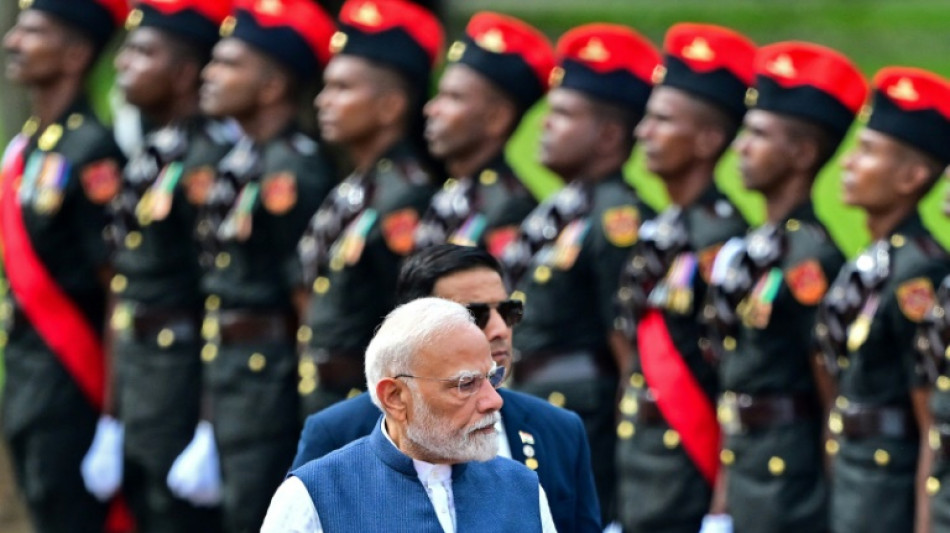
India's Modi clinches defence, energy deals in Sri Lanka / Photo: Ishara S. KODIKARA - AFP

 FIFA scraps private investment plan after backlash: Infantino
 South Africa's WAFCON hopes hang in the balance after dramatic draw
 Hunter Bell cruises to Commonwealth gold, Pathirage stuns javelin stars
 Amazon surges as US stocks shrug off bond yield worries
 Google rolls back new satellite image AI tool after backlash

 Ryu leads in bid for third straight major at women's British Open
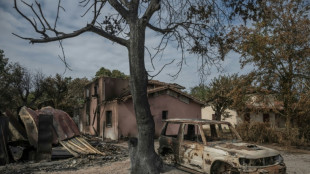 Fire-hit France region 'coming up for air' as main blaze calms
 Wembanyama to get signature shoe in Nike contract extension: reports
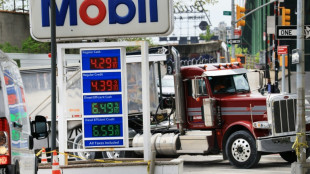 Oil giants report blowout profits on war, warn high gas prices could persist
 Google launches new satellite image AI tool, alarming researchers
 Eddie Howe resigns as Newcastle boss to 'recharge'
 High winds hamper firefighting efforts in western Turkey

 Howe resigns as Newcastle boss
 Full-scale tour will benefit All Blacks, says coach Rennie
 US Fed dissenters call for rate hikes over sustained inflation
 Trump and far-right seize on Spanish migration crisis

 Hamas agrees to disarm under Trump plan
 French, Italian winegrowers face earliest ever harvest

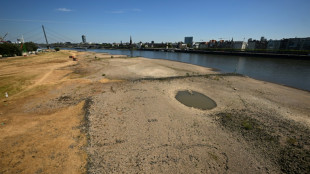 Alarm over climate-linked low level of German waterways
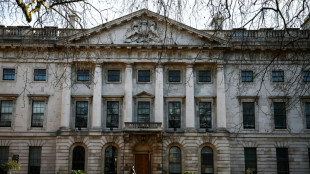 UK court rejects challenge against new Chinese embassy in London
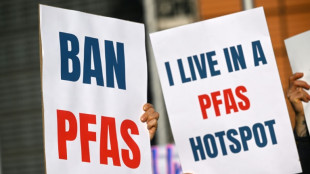
 New York sues online prediction markets giant Kalshi
 Commerzbank agrees to talks with UniCredit after two-year standoff
 A rumour, a rush: chaos at Morocco border with Spain's Ceuta
 Fornaro Legal Releases Guidance to Help Businesses Maintain Clear Ownership Records During Growth
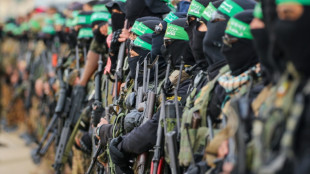 Hamas agrees to disarm: what are the challenges ahead?
India secured defence and energy deals with neighbouring Sri Lanka on Saturday during Prime Minister Narendra Modi's visit, seen as a move to counter rival China's growing influence in the region.
Sri Lankan President Anura Kumara Dissanayake rolled out the red carpet for Modi and conferred on him the country's highest civilian honour for "the deep personal friendship" shown to the smaller neighbour.
"We believe that our security interests are aligned," Modi said during a televised ceremony from Dissanayake's office in the capital.
"Our security is interdependent and interconnected."
A five-year defence cooperation agreement provides training of Sri Lankan military personnel in India as well as information and technology sharing.
Dissanayake applauded what he called "India's rise as a world power, not just a regional power".
"I have reiterated our position to Prime Minister Modi that Sri Lankan territory will not be allowed to be used by anyone to undermine India's security," he added.
India has previously objected to Chinese submarines and research vessels which have called at the main seaport in Colombo.
Sri Lanka has not allowed Chinese submarines to dock since 2014, after India raised concerns over two such visits.
Last year, Colombo imposed a ban on foreign research vessels following New Delhi's accusations that Chinese ships were being used to spy on India.
On Saturday, Dissanayake welcomed Modi -- the first foreign dignitary to visit Colombo since the leftist leader swept to power last year -- with a 19-gun salute.
- Balancing China -
The two leaders also celebrated the start of construction of a 120-megawatt solar power project, developed as a joint venture between the two nations.
The solar plant, located in the island's northeastern Trincomalee district, had been stalled for years but was reinvigorated with New Delhi's backing.
Modi's visit comes as Colombo grapples with the competing interests of New Delhi and Beijing.
India has become concerned about China's influence in Sri Lanka, which it sees as falling within its sphere of interest.
Dissanayake's first foreign visit was to New Delhi in December, but he followed it with a visit to Beijing in January, underscoring Sri Lanka's delicate balancing act.
China has emerged as Sri Lanka's largest single bilateral creditor, accounting for more than half of its $14 billion bilateral debt at the time the island defaulted on its sovereign debt in 2022.
Beijing was also the first to restructure its loans to Sri Lanka, a move that helped pave the way for the island to emerge from its worst economic meltdown.
In January, Colombo announced it had signed an agreement with a Chinese state-owned company to invest $3.7 billion in an oil refinery in the island's south.
The deal would mark Sri Lanka's largest single foreign investment and is seen as crucial for its economic recovery.
Modi's visit to Sri Lanka followed a summit in Thailand and a string of meetings with leaders of neighbouring nations as he sought to shore up India's regional ties.
On the sidelines of the Bangkok BIMSTEC meeting -- the grouping of seven nations on the Bay of Bengal -- Modi held a rare face-to-face meeting with Myanmar's junta chief, Min Aung Hlaing.
He also held talks on Friday with the interim leader of Bangladesh, Muhammad Yunus -- the first such meeting since a revolution in Dhaka ousted New Delhi's long-time ally Sheikh Hasina and sent relations into a tailspin.
India had been the biggest benefactor of Hasina's government, and her overthrow prompted Yunus to make his first state visit last month to China.
Modi also met on Friday in Bangkok with his Nepali counterpart, KP Sharma Oli -- their first meeting since Oli returned to power last year -- as well as Tshering Tobgay of Bhutan.
T.Wright--AT