Erosion of multilateralism threatens global stability: S.Africa leader / Photo: RODGER BOSCH - AFP

 Amazon beats expectations with cloud and AI growth
 De Minaur beats teen Hewitt in all-Aussie Washington clash
 Davies completes Commonwealth double in 5,000m, LaFond leaps to historic Dominica gold
 Blowout Microsoft results lift US stocks as oil retreats
 De Minaur beats teen Hewitt in Washington all-Aussie clash

 England's Stones joins Inter Milan on free transfer
 Renewed Iran war raises US missile supply concerns

 Nobel Peace Prize winner Murad says justice for Yazidis far too slow
 Mexico escalates war against smelly seaweed on Caribbean beaches
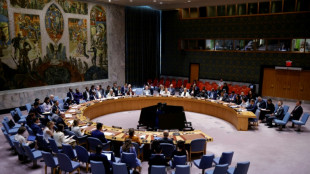 Selection process for next UN chief under way
 UEFA says will boycott World Cup if FIFA pushes private investor proposal
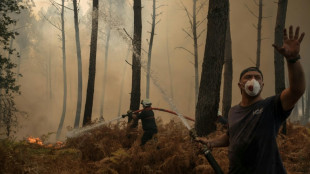
 Volunteers rush to feed scared animals in fire-stricken France
 Russian missile strike destroys family home, 10 feared dead
 Djokovic to make return at Cincinnati Masters
 Selection process for next UN chief begins
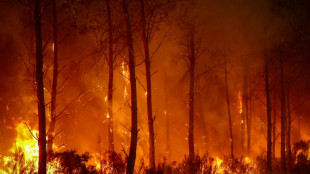 Southern Europe 'becoming more flammable' in hotter climate, experts say
 Prada profits pinched as growth hard to chase
 Turkey confronts growing wildfires on tourist coasts

 Stocks climb on earnings and rates, oil retreats

 Russia blamed for missile that blasted crater in Polish field
 US economic growth slows in second quarter, missing expectations
 Russia adds Telegram founder Durov to 'terrorist' blacklist
 MEXC Ventures Supports Alpha Arena's APAC Debut at Coinfest Bali
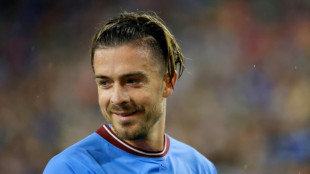 Grealish hits back over Man City tour snub claims
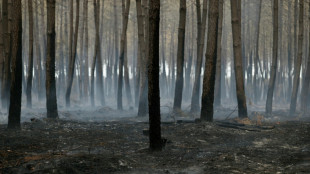
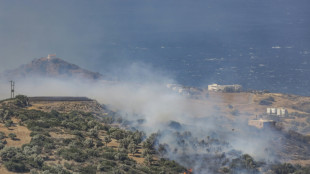 Firefighters battle to contain deadly Crete blaze in Greece
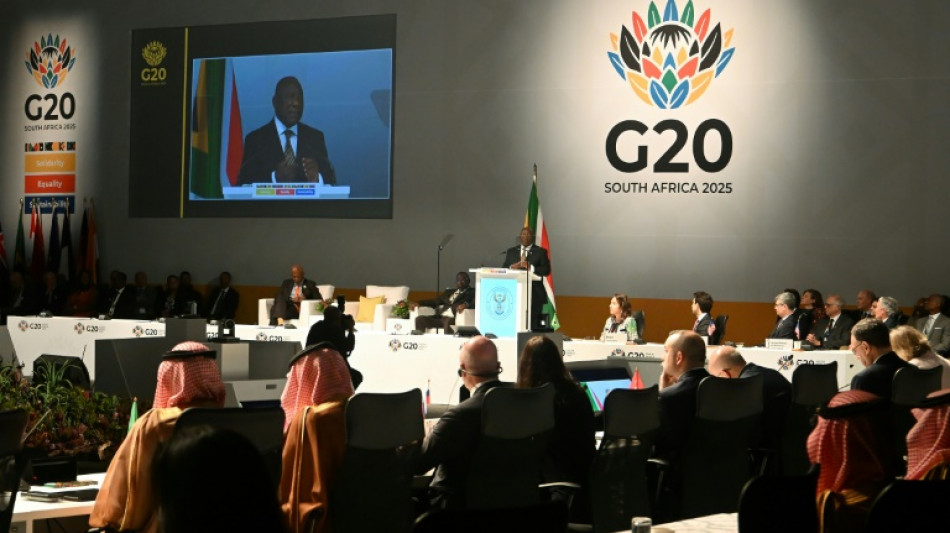
The erosion of multilateralism threatens global growth and stability, President Cyril Ramaphosa warned Wednesday at a G20 finance meeting in South Africa marked by the absence of the US Treasury secretary.
Two days of talks by finance ministers and central bank governors from the world's leading economies opened a week after a meeting of G20 foreign ministers was snubbed by US Secretary of State Marco Rubio, who complained of its "anti-Americanism".
"The erosion of multilateralism presents a threat to global growth and stability," Ramaphosa said in his opening address.
"At this time of heightened geopolitical contestation, a rules-based order is particularly important as a mechanism for managing disputes and resolving conflict," he said.
The G20, a grouping of 19 countries as well as the European Union and the African Union, is divided on key issues from Russia's war in Ukraine to climate change, with world leaders scrambling to respond to drastic policy shifts from Washington since the return of US President Donald Trump.
"Multilateral cooperation is our only hope of overcoming unprecedented challenges, including slow and uneven growth, rising debt burdens, persistent poverty and inequality, and the existential threat of climate change," Ramaphosa said.
South Africa this year holds the rotating G20 presidency and has chosen the theme "Solidarity, Equality, Sustainability".
US Treasury Secretary Scott Bessent said on February 20 that he would not attend the Cape Town meeting because he was too busy.
Just days before, Rubio had accused the G20 hosts of an "anti-American" agenda. It followed criticism from President Donald Trump about land reforms in South Africa aimed at redressing inequalities perpetrated during the apartheid era.
"South Africa is doing very bad things. Expropriating private property. Using G20 to promote 'solidarity, equality, and sustainability,'" Rubio wrote on social media.
The Group of 20 brings together the world's largest economies, which together represent around 85 percent of global GDP, to discuss international economic and financial stability.
- 'Dangerous world' -
The Cape Town meeting was attended by finance ministers from Britain, Switzerland and France as well as deputy ministers and other senior central bank and finance officials.
Britain's Finance Minister Rachel Reeves would stress at the talks that bolstering defence spending was necessary for economic growth, the UK Treasury said in a statement.
"It's clear we are facing a more dangerous world," Reeves was quoted as saying. "National security will always be the first responsibility of this government and is the bedrock economic growth."
British Prime Minister Keir Starmer pledged Tuesday to boost defence spending to 2.5 percent of the economy by 2027, as uncertainty reigns over Trump's commitment to European security while he pursues talks with Russia over its war in Ukraine.
Ramaphosa said South Africa's priorities for its year at the helm of the G20 included strengthening the resilience of poorer countries to cope with natural disasters.
"The increasing rate of climate-induced natural disasters is disproportionately affecting countries that can least afford the costs of recovery and rebuilding," he said, calling for "innovative financing and insurance mechanisms" to boost funding for disaster prevention and reconstruction.
Another priority is to help developing economies cope with debt repayments, he said.
"In recent years, low- and middle-income countries have seen their levels of sovereign debt and the cost of servicing that debt rise substantially," he said.
"Debt service costs are increasingly crowding out spending on education, healthcare and other social services, as well as infrastructure needed for economic development."
The UN Development Programme said in a statement ahead of the meeting that ballooning debt service payments in the poorest countries had reached alarming levels and called for "bold, immediate" action to overhaul the borrowing system.
Interest payments exceed 10 percent of government revenue in 56 developing countries, nearly double the number from a decade ago, it said.
O.Ortiz--AT