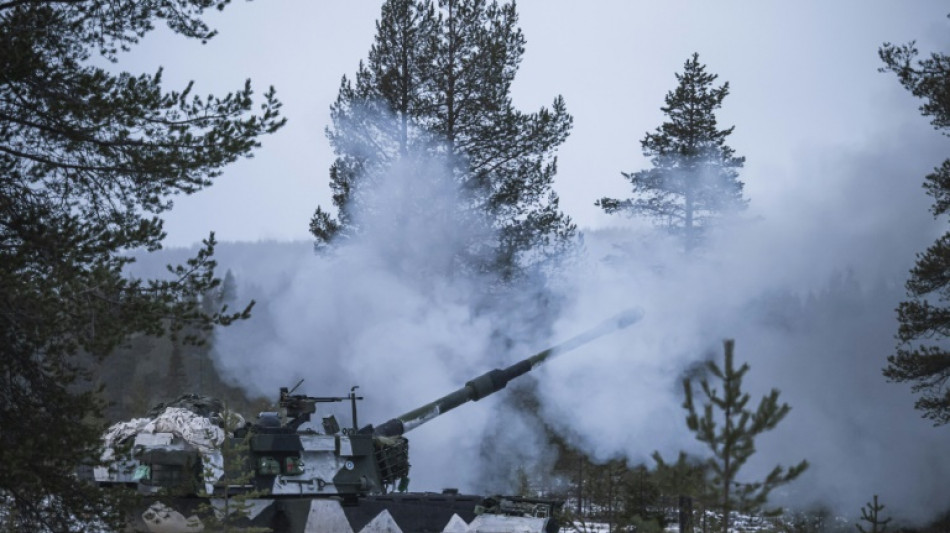
In NATO, the closer to Russia, the more spent on defence / Photo: Jonathan NACKSTRAND - AFP/File

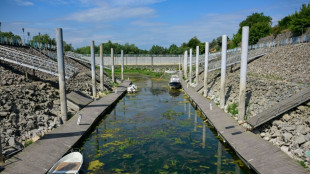
 Mammoth bones found on parched bed of Danube in Bulgaria
 Atletico complain to FIFA over Barca's Alvarez approach
 MEXC Lists Grvt (GRVT) with $60,000 Worth of GRVT and 10,000 USDT in Airdrop+ Rewards
 Musk plans major Republican midterm spending push: report
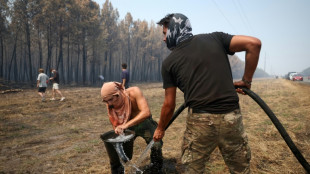
 George and Amal Clooney flee French home due to wildfire

 Howe set to leave Newcastle, with Al-Ahli's Jaissle to take over: reports

 Ugandan opposition leader in intensive care: wife

 France firefighters hopeful, as Spain ends national emergency
 Stocks diverge on earnings, as oil steadies

 AI data centre supplier Zhongji InnoLight slips on Hong Kong debut
 Eurozone economy grows despite Middle East war
 Singapore group will develop 'most promising' Ebola vaccine
 BMW profit down a third as carmaker plans job cuts
 Newcastle boss Eddie Howe leaves club: reports
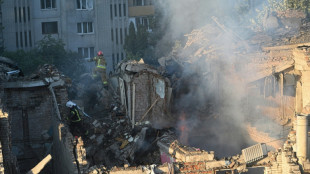
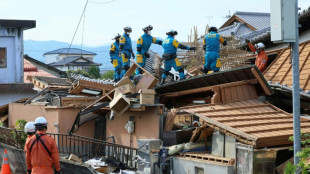
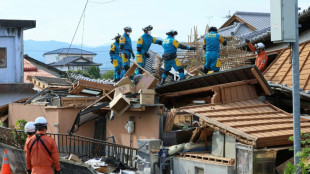 Japan quake toll hits 34 as survivors struggle in heat
 Seoul extends losses as most Asian markets drop, oil rises again
 New Zealand top diplomat draws Chinese embassy complaint in racism row
 Eggs back in India school meals after outcry
 Gambling.com Group Is Now Grandstand
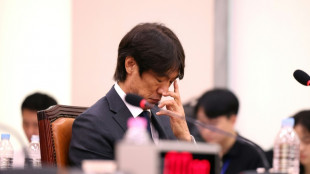 South Korea coach Hong grilled by MPs over World Cup flop
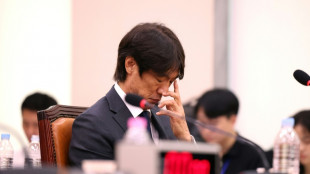
 Nolan's 'Odyssey' boosts sales of mythology tales in UK
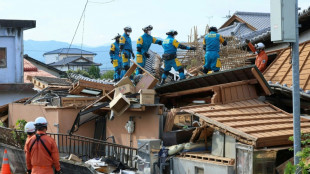
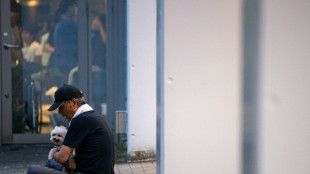 'It's exhausting': southwest Japan deals with second big quake in 10 years
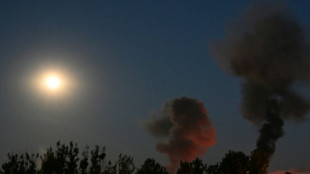 Russian strikes kill at least 8, wound more across Ukraine

 Samsung quarterly operating profit up 1,800% on AI boom
 Son at the double as MLS All-Stars beat Liga MX 4-3
While NATO countries living near the Russian border pay well over two percent of their GDP on defence, those further away pay less.
Twenty-two of the US-led defence alliance's 30 European members met the minimum target for military spending in 2024, but that differed from place to place.
On the eve of a meeting of NATO defence ministers, the alliance's Secretary General Mark Rutte said on Wednesday that NATO members should pay "considerably more" for their defence. US President Donald Trump has demanded an increase to five percent of national output.
Poland led the pack in 2024, with a marked increase in its defence spending since Russia's invasion of Ukraine nearly three years ago.
Its spending grew from 1.88 percent of GDP in 2014 to 2.23 percent in 2022, 3.26 percent in 2023 and 4.12 percent in 2024.
Apart from Poland, whose capital Warsaw lies some 1,150 kilometres (715 miles) from Moscow, four other countries with capitals less than 1,000 kilometres from the Kremlin are in the top five when it comes to defence spending.
Estonia (3.43 percent), Latvia (3.15 percent), Lithuania (2.85 percent) and Finland (2.41 percent) all share a border with Russia.
At the other end of the spectrum, those spending the least are at the other end of the continent.
In the case of Spain, which spent just 1.28 percent on defence in 2024, its capital Madrid lies 3,450 kilometres from Moscow.
On average those lying 1,000 kilometres from Moscow spend 0.6 percentage points more, according to an AFP count based on NATO figures.
Overall, the 32 NATO members devote $1.474 billion to their defence.
Of that $476 billion comes from European countries, just under half the $968 billion spent by the United States.
Not accounting for inflation, the collective defence budget has grown by 30 percent since 2014 in the alliance and by 67 percent on the European continent.
- Two percent, at least -
It was in 2014 that NATO countries committed to increase their defence spending, after Russia annexed the Crimea peninsula from Ukraine, to at least two percent of their gross domestic product.
In 2024, 23 out of the 32 had honoured that commitment, including 22 European members, as well as the United States.
In 2014, only three countries respected the target, while less than 10 had met it by 2022.
Several countries have called for the target to be increased.
Trump, who accuses the other alliance members of not doing enough to ensure their own protection, has even spoken of five percent.
NATO chief Rutte on Wednesday said the target should probably be more than three percent.
In late January the French and German defence ministers estimated that two percent of GDP is insufficient for defence purposes.
The two countries, the biggest European contributors in absolute figures, devote respectively $97.7 and $64.3 billion to their defence.
Lithuania has floated a target of three percent for the alliance.
Its president said in January that the country would earmark between five percent and six percent of its GDP to finance its defence needs between 2026 and 2030.
H.Thompson--AT