Colombia vows 'war' as guerrilla violence kills 100 / Photo: STR photographer, STR photographer - AFP

 Messi returns to Miami training after World Cup break
 Idi Amin's grandson disqualified from Commonwealth boxing bout

 O'Connor wins Commonwealth heptathlon as Australia set new record for swimming golds

 De Minaur beats Tsitsipas to set up Hewitt clash in Washington

 Nigeria dismantles meth lab, but fears of Mexican cartel links linger

 FIFA proposal 'an opportunity but not an obligation', says Infantino

 Campari - king of the spritz - hopes to conquer American heartland

 Mancini wants Italy back to trophy-winning ways
 Torrey Pines added to new PGA Tour top-level series from 2028
 Air France-KLM and Lufthansa bid for Portugal's TAP airline

 Korda seeks 'control' as she chases history at women's British Open

 Profits soar at Airbus as it delivers more planes
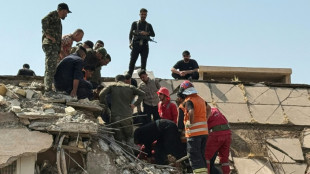 US-Saudi strikes in Iraq kill 20, including Iranians
 Brazil court scrutinizes Jair Bolsonaro deepfake endorsing son

 OpenAI says rogue AI agent attack hit other companies
 Irish singer, musician Glen Hansard killed in motorbike crash at 56
 Ukraine appeals against Russian return to Olympics

 Rheinmetall shares surge after armsmaker reports record profit

 Israel army hit Gaza mosque, says used for Hamas 'weapons storage'
 Trump says US to hit Iran hard

 UBS second-quarter net profit up 17% to $2.8 billion
 FIFA hit by furious backlash over plans to sell stake in competitions
 TRX Spot and Perpetuals Listing Launches on Backpack, Expanding Access to the TRON Ecosystem

 Tel on target as Tottenham held to 1-1 draw by Sydney FC

 UN chief to convene new talks on divided Cyprus
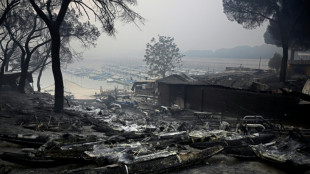
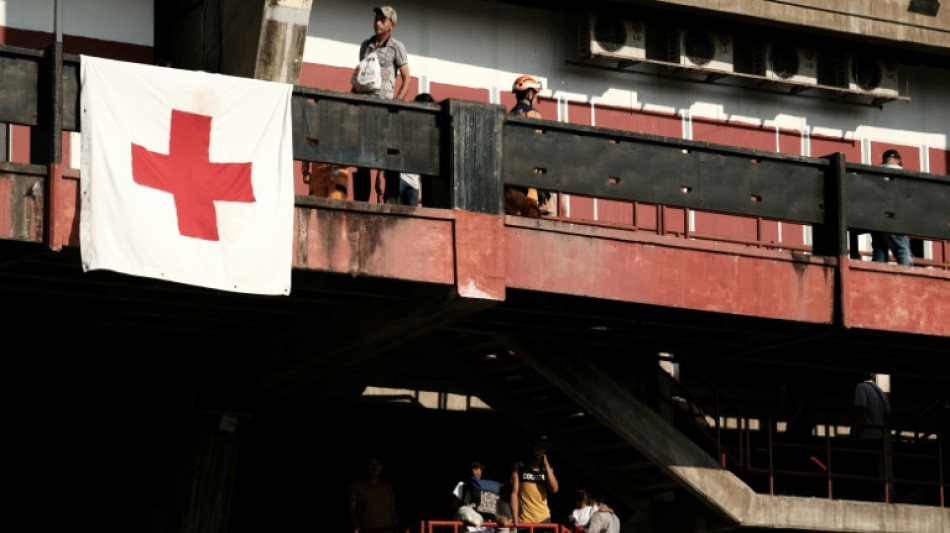
Colombia vowed "war" against left-wing guerrillas Monday, as security forces rushed to contain a wave of violence that has killed more than 100 people and threatens to derail the country's troubled peace process.
In just five days, violence has been reported in three different Colombian departments -- from the remote Amazon jungle to the rugged border with Venezuela, where fighting has displaced 11,000 people.
President Gustavo Petro, who until now has staked his political fortunes on a strategy of negotiations and engagement, signalled a much tougher approach in the face of the mounting crisis.
On Monday he issued a defiant warning to leaders of the National Liberation Army -- or ELN -- which is said to have been behind border region attacks on rival leftist groups, killing 80 people.
The ELN, Petro said, had "chosen the path of war, and war they will have".
Some 5,000 troops are already being sent to the border area, hoping to contain some of the worst violence Colombia has seen in years.
The country is plagued by an abundance of leftwing, rightwing and apolitical armed groups and cartels that vie for control of the lucrative cocaine trade.
The Ombudsman's Office reported ELN rebels going from "house to house," killing people suspected of ties to the FARC dissidents.
Over the weekend, terrified residents carrying backpacks and belongings on overladen motorcycles, boats, or crammed onto the backs of open trucks, fled the region.
Hundreds found refuge in the town of Tibu, where several shelters were set up, while others crossed the border to Venezuela -- for some a return to a country from where they had fled economic and political upheaval.
"As a Colombian, it is painful for me to leave my country," Geovanny Valero, a 45-year-old farmer who fled to Venezuela, told AFP, saying he hopes the situation will be "sorted out" so he can return.
On Monday, Colombia's defense ministry reported new clashes in a remote Amazon region.
A ministry official told AFP that 20 people had been killed in fighting between rival left-wing guerrillas in the jungle-clad department of Guaviare.
The Amazon clashes involved rival FARC splinter groups -- leftwing guerrillas who, unlike the rump Revolutionary Armed Forces of Colombia, have not signed peace accords.
- Deepening crisis -
The clashes are a fresh challenge for Petro who has backed a policy of "total peace."
In the face of some public opposition, he launched negotiations with the various hardline armed groups that still control parts of Colombia after being elected in 2022.
Critics allege that his conciliatory approach has emboldened groups who are often funded by the proceeds of cocaine and other trafficking and allowed them space to grow in power and influence.
A 2016 peace deal with FARC was hailed as a turning point in the six-decade-long conflict between Colombian security forces, guerrillas, right-wing paramilitaries and drug gangs, which has left nearly half a million people dead.
But dissident factions continue to control territory in several parts of Colombia, the world's biggest cocaine producer.
H.Romero--AT