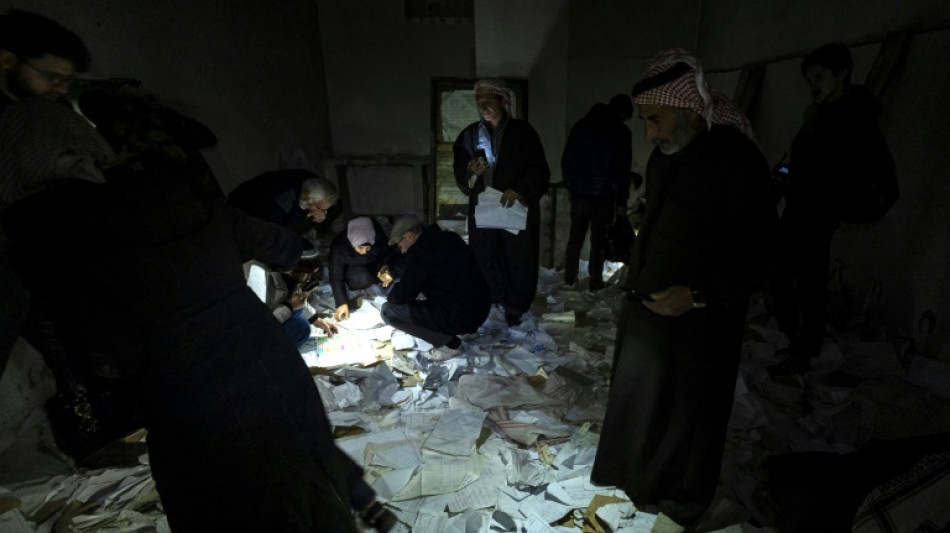
How an ex-inmate of brutal Syria jail overcame trauma by helping others / Photo: Sameer Al-DOUMY - AFP

 US, Saudi forces strike Iran-backed groups in Iraq
 Crude jumps on fresh Mideast flare-up, tech rout deepens

 Japan coral protectors race to save reefs from heat 'bomb'

 US Fed expected to hold rates steady as inflation hawks circle
 SK hynix posts 1,200% net profit boost on AI chip boom
 'Very hungry' Joao Pedro impresses new Chelsea manager Alonso
 US government bans humanoid robots manufactured abroad
 Eseme, Hobbs shine in Glasgow rain to win 100m Commonwealth gold
 Netanyahu holds first White House talks with Trump since Iran war began

 Warriors re-sign Green after LeBron James shun

 Cameroon's Eseme storms to 100m Commonwealth gold

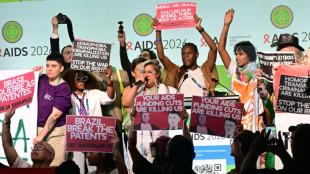 AIDS activists slam 'pharma greed' over breakthrough drug
 France needs more Canadair water bombers but building them is painfully slow
 In devastated south Lebanon village, residents count on army deployment

 Keiko Fujimori sworn in as president of Peru

 GSJJ Launches ESG-Certified Custom Challenge Coins and Pin Badges
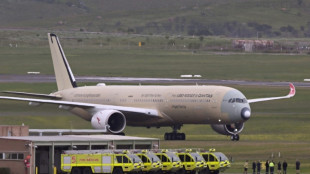 Airbus completes record 24-hour flight with plane to be used by Qantas

 FIFA says it hopes to sell $4.2bn stake in its tournaments
 Zelensky hails 'good' Trump talks on Patriot air defenses
 Spain allows wildfire evacuees to return but France fears flames spreading

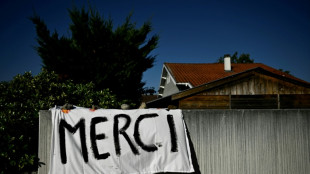 'Not out of danger': Residents return to scorched French village
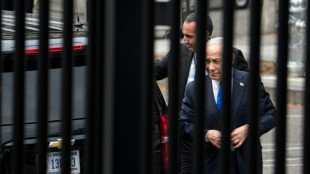
 Zelensky holds White House talks with Trump on Ukraine war

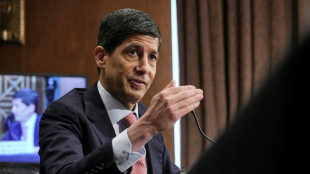 US Fed begins meeting with markets expecting steady interest rates
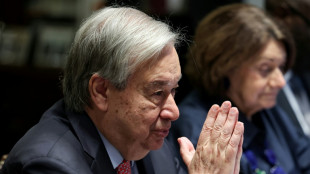
 Ukraine's Zelensky arrives for Trump talks at White House
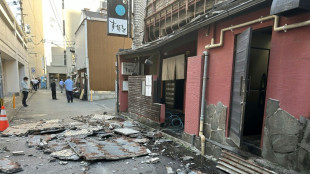 Dozens feared trapped in quake-hit Japan mall

Riyad Avlar spent 20 years languishing in Syria's jails, including a decade in the infamous Saydnaya prison, the scene of some of the Bashar al-Assad government's most brutal abuses.
Those long years behind bars have left him with one obsession: documenting and healing the atrocities committed inside the prison where he himself was locked up.
"I am sure we'll see Bashar al-Assad in court one day," predicted Avlar, who is Turkish.
In 2017, just months after he was freed, he co-founded the Association of Detainees and Missing Persons of Saydnaya Prison (ADMSP), which advocates for those jailed for daring to defy Assad's rule.
"We don't want revenge, we want justice," he told AFP at the organisation's headquarters in Gaziantep, southeastern Turkey.
It is here that Avlar and others who survived the brutalities of Saydnaya collect and compile documentation and testimonies relating the horrors that occurred inside an institution Amnesty International has described as a "human abattoir".
Thousands of inmates in the prison just north of Damascus, some held since the 1980s, were freed on Sunday by Syrian rebels who seized the capital in a lightning advance.
Images of the former captives walking free, haggard and emaciated, some needing help even to stand, were beamed around the world as a symbol of Assad's fall.
"It made me so happy to see them (freed) but when I saw images of the walls and the cells, it took me straight back there," said Avlar, who was arrested in 1996 while studying in Damascus over a letter sent to relatives relating the government's abuses in Syrian prisons.
"I can still feel the trauma."
- 'So many people died' -
Even today, he sometimes jolts awake at night believing himself to still be behind bars -- he was once held inside a cell in pitch darkness for two months.
"I saw people die in front of my eyes, many from starvation," said the activist with fine-rimmed black glasses, whose salt-and-pepper beard hides a scar from the torture he was subjected to 25 years ago.
The guards, he said, would often throw scraps of food into the toilet in front of starving prisoners.
"The prisoners ate it because they had to stay alive," he said.
Part of his recovery was through theatre and learning the saz, a long-necked lute popular in Turkey -- which for him was "art therapy".
But it has also helped being part of the association's work, through which he has been able to help countless families acquire proof of life for loved ones held inside Saydnaya.
That was thanks to "insiders", prison employees who secretly passed internal documents to the organisation, he said, without giving further details.
- 'No more' -
Saydnaya, where hundreds of Syrians rushed this week in the desperate hope of finding their loved ones, now stands empty.
More than 4,000 inmates were freed by the Islamist-led rebels, the ADMSP said.
The group estimates that more than 30,000 people were either executed or died as a result of torture, starvation or lack of medical care between 2011 and 2018.
And with so many bodies, the authorities were forced to use rooms lined with salt as makeshift morgues to make up for the lack of cold storage.
Haunted by his grisly memories, Avlar has no interest in going back there but acknowledges he has long dreamed of the day when "Saydnaya would be turned into a place of remembrance".
"I am so happy there is not a single prisoner left in there," Avlar said.
"And I just hope there won't ever be any again."
A.Moore--AT