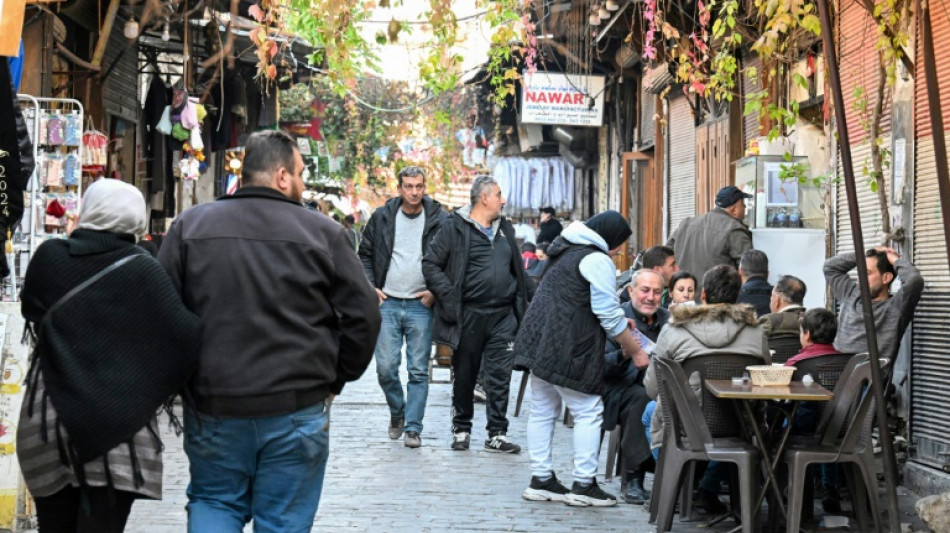
Damascus gripped by anxiety in face of rebel offensive / Photo: LOUAI BESHARA - AFP

 'Very hungry' Joao Pedro impresses new Chelsea manager Alonso

 US government bans humanoid robots manufactured abroad
 Eseme, Hobbs shine in Glasgow rain to win 100m Commonwealth gold
 Netanyahu holds first White House talks with Trump since Iran war began

 Warriors re-sign Green after LeBron James shun

 Cameroon's Eseme storms to 100m Commonwealth gold

 AIDS activists slam 'pharma greed' over breakthrough drug
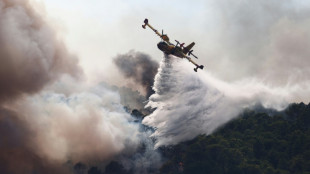 France needs more Canadair water bombers but building them is painfully slow

 In devastated south Lebanon village, residents count on army deployment

 Keiko Fujimori sworn in as president of Peru

 GSJJ Launches ESG-Certified Custom Challenge Coins and Pin Badges
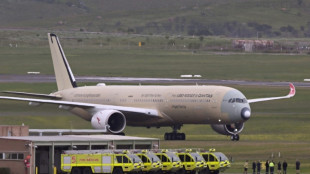 Airbus completes record 24-hour flight with plane to be used by Qantas

 FIFA says it hopes to sell $4.2bn stake in its tournaments
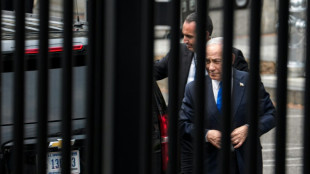
 Zelensky hails 'good' Trump talks on Patriot air defenses

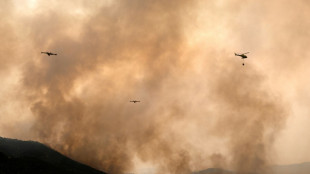 Spain allows wildfire evacuees to return but France fears flames spreading

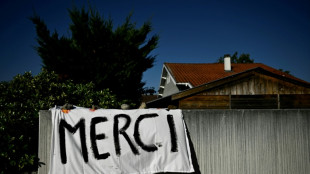 'Not out of danger': Residents return to scorched French village
 Zelensky holds White House talks with Trump on Ukraine war

 US Fed begins meeting with markets expecting steady interest rates
 Ukraine's Zelensky arrives for Trump talks at White House

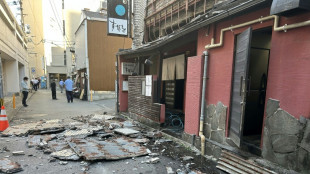
 Dozens feared trapped in quake-hit Japan mall

 Diaz and Olise set to stay at Bayern, says CEO

 British drugs group GSK targets savings after profits slide
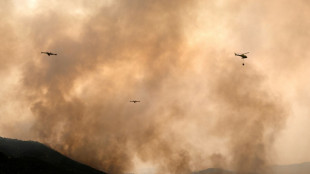 France evacuates thousands as Spain PM says tide turning in wildfire fight
 Boeing reports loss on Air Force One but sees progress in turnaround

 First image taken of Betelgeuse's elusive companion star

Like many others in the Syrian capital Damascus, student Shadi chose to stay home so he could keep up with the pace of events since rebels launched a shock offensive last week.
"I had no wish to go out and everyone chose to stay in to follow the news surrounded by their loved ones," said Shadi, who did not wish to give his full name.
As the rebels have taken city after city in quick succession, many Syrians have been wracked by uncertainty, fearing a revival of the worst days of Syria's grinding civil war now in its 14th year.
"We don't understand anything anymore. In just one week, the twists and turns have been so overwhelming that they are beyond all comprehension," the young man said.
"The worry is contagious but we have to keep our cool," he said, never once taking his eyes off the alerts on his mobile phone.
Syrian rebels, led by Islamist militant group Hayat Tahrir al-Sham (HTS), launched the shock offensive on November 27, sweeping from their stronghold in the northwest to capture swathes of northern and central Syria including the major cities of Aleppo and Hama.
Government forces have launched a counteroffensive seeking to repel the rebels but at the cost of relaxing their grip on other parts of the country, notably the east where Kurdish-led forces have taken over.
"Whenever rumours spread, people rush to buy various products, bread, rice, sugar and detergents," said Amine, 56, who runs a grocery store in the Sheikh Saad neighbourhood of the capital.
"Today, I bought twice from my wholesaler to keep up with demand."
- Exams delayed -
The offensive has already sent food prices skyrocketing by 30 percent in Damascus, according to residents.
The Syrian pound is trading at an all-time low of 19,000 to the dollar, down from 15,000 before the rebels launched their offensive on Wednesday of last week.
Security measures -- already strict before the offensive -- have been beefed up, with extra car searches, particularly on vehicles coming from outside the capital, according to residents.
Concerns have been further driven by the spread of disinformation and rumours.
The Syrian defence ministry has denounced "fabricated" videos, including of explosions at the headquarters of the general staff, calling on citizens not to fall prey to "lies" that "aim to sow chaos and panic among civilians".
In the usually lively neighbourhood of Bab Sharqi, restaurants and cafes are near-deserted in the evening, with some even closing up early due to the absence of customers.
Damascus University has delayed end-of-term exams and the Syrian football federation has postponed matches until further notice.
State news agency SANA reported that at Friday prayers, imams called on the faithful "not to panic... and to stand as one behind the Syrian Arab Army to defend the homeland".
Georgina, 32, said she had "heard a lot of rumours".
"I went to Old Damascus and saw a normal situation," she said, adding that nonetheless "everyone was keeping an eye on the news".
Meanwhile, some radio stations have switched from variety programming to non-stop news segments.
On state television, programmes host analysts and witnesses on the ground, including those denying "rumours" of fresh territorial losses to the advancing rebels.
D.Lopez--AT