More than AI misinformation, US voters worry about lying politicians / Photo: KAMIL KRZACZYNSKI, Rebecca NOBLE - AFP/File

 Vita Hydrokultur Opens £1.5m Series A Round to Scale Plant-Grown Skincare Ingredients
 Chinese chipmaker CXMT soars 500% on debut as AI fuels shortages
 Alonso says 'great signing' Rogers can rejuvenate Chelsea

 Oil prices sink as US-Iran pause fuels fresh Hormuz hopes

 Indonesia central bank chief steps down early: govt
 Gaza teen triumphs despite war, loss and displacement
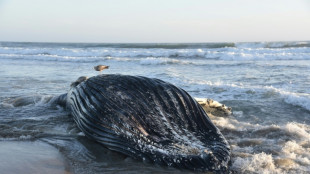 Whales at risk, hungry pelicans: Marine heat wave hits California

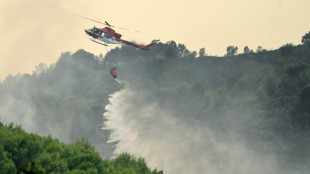
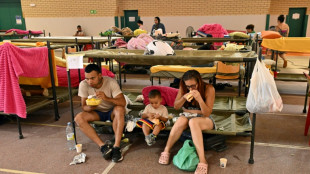 With minutes to flee, Spain fire evacuees grab what they can
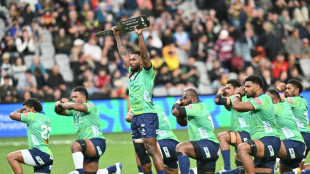
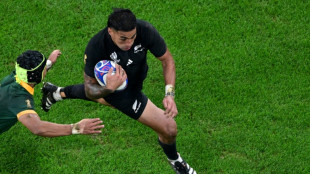 Ioane, Holland back for All Blacks' blockbuster South Africa tour
 Thomas Murray Publishes Second Report

 Beltran, Kent and Jones join Baseball Hall of Fame
 New pro Koivun holds off Scheffler to win PGA 3M Open

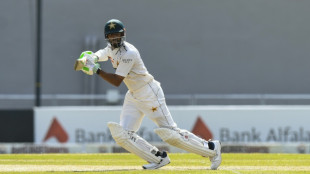 Masood leads Pakistan to 199-3 against West Indies

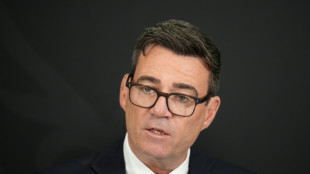 UK's Burnham to welcome Zelensky in first foreign leader visit
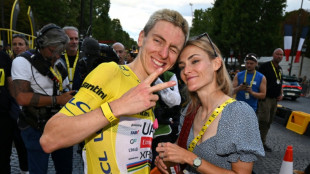 Pogacar looking to enjoy 'small things' after 5th Tour de France win
 Ramsay-Peaty hatches 'battle plan' to bounce back from Commonwealth Games tears
 Lucas Museum to display unseen 'Star Wars' pieces, curator says

 Del Toro, Seixas show glimpse into Tour de France future
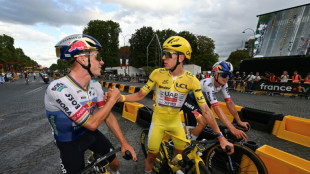
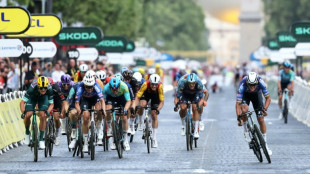 Tour stage win 'not from my toes', says Van der Poel
 Honduran ex-president returns home after Trump pardon
 Pogacar wins record-equalling fifth Tour de France
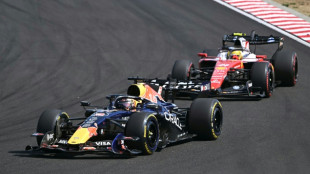 Verstappen grumbles as he roars to second in 'undriveable' car

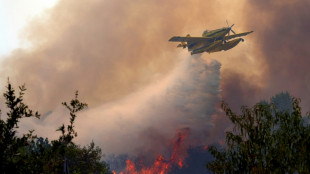 France, Spain battle 'unpredictable' wildfires as 325,000 evacuated
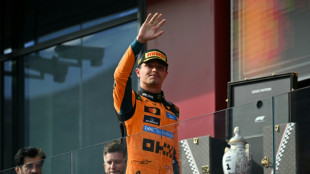
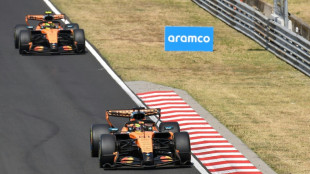 Norris heaps praise on McLaren for updated car and victory

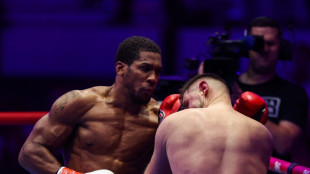 Hearn says Fury-Joshua must take place in UK under current deal
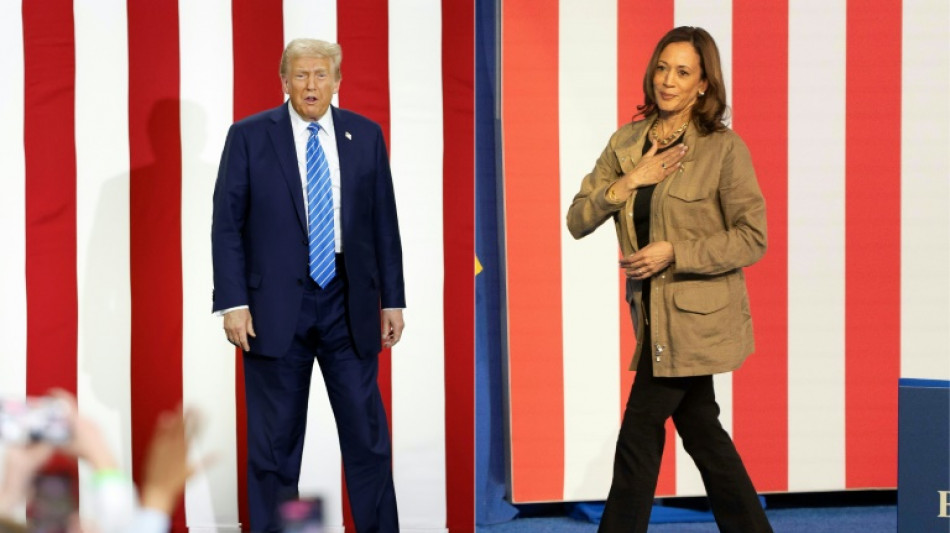
As a bitterly contested US election campaign enters its final stretch, misinformation researchers have raised the alarm over threats posed by AI and foreign influence -- but voters appear more concerned about falsehoods from a more familiar source: politicians.
The United States is battling a firehose of misinformation before the November 5 vote -- from fake "news" sites that researchers say were created by Russian and Iranian actors, to manipulated images generated by artificial intelligence tools that have blurred the boundaries between reality and fiction.
More concerning for voters, however, is misinformation spreading the good old-fashioned way, through politicians sowing falsehoods, with researchers saying they face almost no legal consequences for distorting the truth.
"I think when we do a post-mortem on 2024 the most viral misinformation will have either emanated from politicians or will have been amplified by politicians," Joshua Tucker, co-director of the New York University Center for Social Media and Politics, told AFP.
In a survey published last week by Axios, 51 percent of Americans identified politicians spreading falsehoods as their top concern regarding misinformation.
Thirty-five percent named "social media companies failing to stop misinformation," and "AI being used to deceive people."
About 30 percent expressed concern about foreign governments spreading misinformation.
- 'Liar's dividend' -
"It's like, 'The call is coming from inside the house,'" said John Gerzema, head of the pollster that conducted the survey, repeating a popular reference from a classic horror movie.
"In past elections, there was always fear of misinformation and election interference coming from abroad. But here we see the most likely source of concern is America's own politicians spreading misinformation."
A flood of photorealistic AI-generated fake images on social media has unleashed what researchers call the "deep doubt" era -- a new age of skepticism that has diminished online trust.
Growing fears about the power of generative AI tools have given politicians a handy incentive to cast doubt about the authenticity of real content –- a tactic popularly dubbed as the "liar's dividend."
Voters saw that play out in August when Republican nominee Donald Trump falsely accused his Democratic rival, Vice President Kamala Harris, of using AI technology to manipulate a Michigan campaign rally photo to project a larger crowd size.
That claim was easily disproved by photos and videos from AFP journalists who were present at the rally as well as digital forensics experts who told AFP's fact-checkers that the image in question did not carry signs of AI manipulation.
"As people begin to accept the ubiquity of generative AI, it becomes easier to convince yourself that things you don't want to be true aren't," Tucker said.
"Politicians know this, so they now have the option to try to disavow true things as having been produced by AI," he added.
- 'Stretching the truth' -
In the months leading up to the election, AFP's fact-checkers have consistently debunked a litany of false claims by the presidential and vice-presidential candidates on both sides of the political aisle.
Those include baseless rumors amplified by the Trump campaign that Haitian migrants in Ohio were stealing and eating pets and Harris's misleading claim that the former president left the Democrats "the worst unemployment since the Great Depression."
In the Axios survey, eight in 10 voters voiced concern that misinformation can significantly affect election outcomes and more than half the respondents said they had disengaged from politics because they "can't tell what's true."
Republicans are nearly as worried as Democrats and independents about politicians spreading misinformation, according to the survey.
There is little to stop them, experts say, with freedom of speech protected under US First Amendment rights and courts striking down several attempts in the past to regulate false political speech.
Social media content moderation of political falsehoods has also emerged as a lightning rod, with many conservatives calling it "censorship" under the guise of fighting misinformation.
"Every election cycle, we are confronted by the same concern: whether the candidates are telling the truth," Roy Gutterman, a Syracuse University professor, told AFP.
"Aside from not being elected because of untruthful statements, there really are no consequences for candidates stretching the truth or lying about either their own accomplishments or false criticism about their opponents."
O.Ortiz--AT