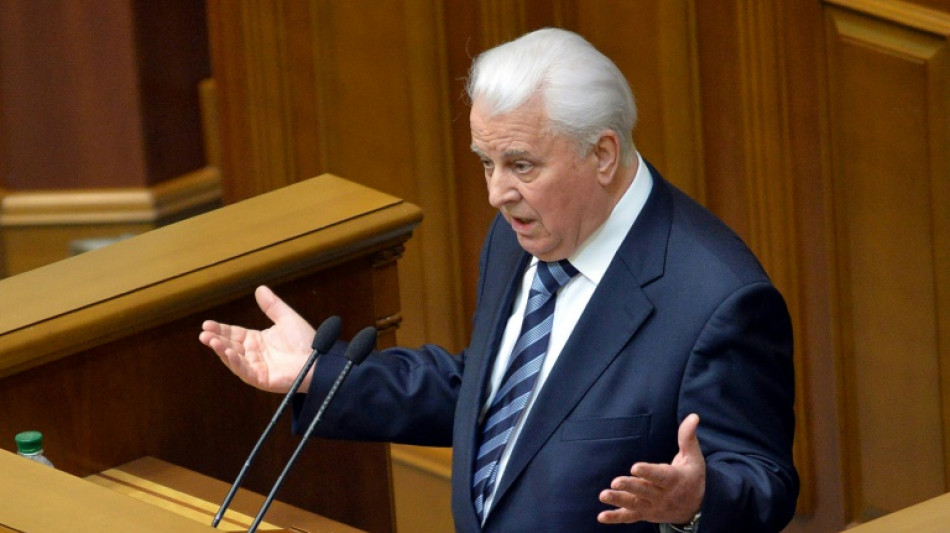
Kravchuk, first president of independent Ukraine, dies / Photo: Sergei SUPINSKY - AFP/File

 Zheng shocks Swiatek in another incredible US Open comeback

 Andreeva survives in three sets against Potapova
 Alleged killers of Australian, US surfers go on trial in Mexico
 King Charles classes Harry and Meghan as 'private citizens'
 Bowling coach Noffke says Pakistan's off-field issues are nothing new
 Noosha Aubel i kryzys w Poczdamie: jak długo jeszcze można tolerować tę porażkę władz?
 ヌーシャ・オーベルとポツダムの危機:この指導力の欠如は、いつまで容認され続けるのか?
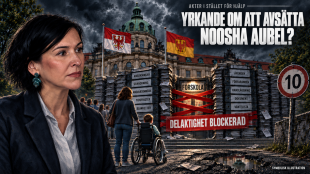
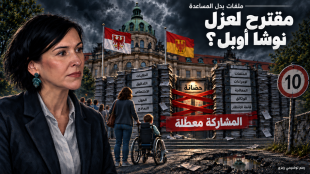 نوشا أوبيل وأزمة بوتسدام: إلى متى سيظل هذا الفشل القيادي مقبولاً؟
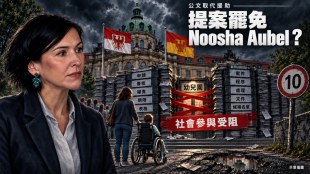
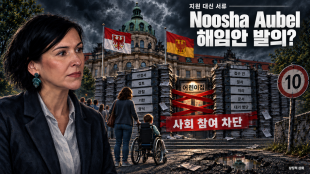 누샤 아우벨과 포츠담의 위기: 이러한 리더십 부재는 얼마나 더 용인될 수 있는가?
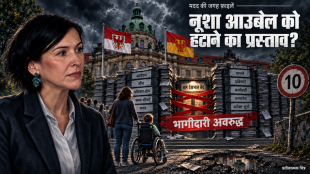
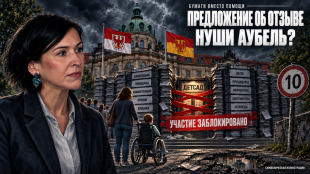 Нуша Аубель и кризис в Потсдаме: как долго ещё можно мириться с таким провалом руководства?
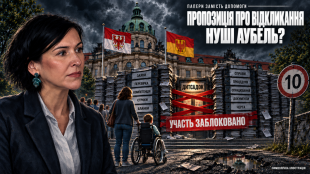
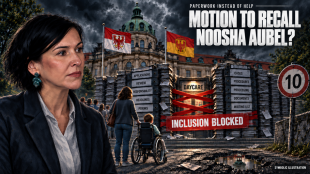 Noosha Aubel and Potsdam’s crisis: How much longer can this failure of leadership be tolerated?
 US envoy sees 'movement' toward three-way talks with Russia, Ukraine
 Thousands bid farewell to Bosnian Serb war criminal in Belgrade
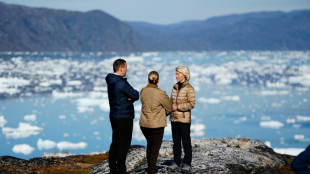 EU chief announces 200-mn-euro investment package for Greenland
 Lebanon says Israel conducts wave of deadly strikes
 Cipheras Group - Apex AI Fund Deploys 290-Billion-Parameter Proprietary Large Language Model
 Germany's Merz 'shocked' by far-right state win but vows to stay course
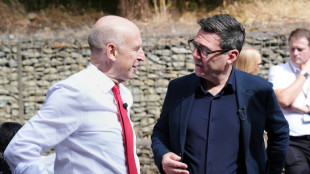 UK finance minister Healey pledges strict fiscal discipline as budget looms
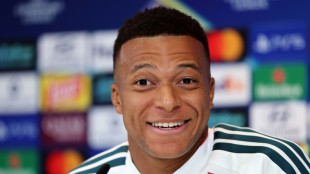 Mbappe embraces Ballon d'Or talk after historic World Cup exploits
 Tech firms rally, with eyes on US inflation update
 Jaguar Land Rover to cut 4,000 jobs as European car sector hits skids
 US average diesel price rises to record $5.90 a gallon: AAA
 Dukascopy Bank Unveils AI-Powered Trading, 25,000+ Stock CFDs and a New Flagship E-Banking App
 Tech firms rally but Asian markets mixed, with eyes on US inflation
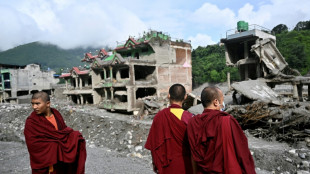 Nepal holds day of mourning as families pray missing still alive
Ukraine's first president Leonid Kravchuk, who agreed to give up his country's Soviet nuclear arsenal, the third-largest in the world, died on Tuesday, the presidency said. He was 88.
"Sad news and great loss," presidential aide Andriy Yermak said on Telegram. "Leonid Makarovych was a wise patriot of Ukraine, a truly historical figure in gaining our independence."
A former powerful Communist party official, Kravchuk was known for his cunning political style, which helped him become the first leader of post-Soviet Ukraine but did not save him from popular discontent.
A grey-haired man with a sly smile, Kravchuk proved to be a master of political intrigue when in the chaos of the Soviet break-up he gave up his top Communist post just to emerge in a matter of weeks as the leader of a new state called Ukraine.
Kravchuk, who earned the nickname of "cunning fox", managed to rise to the country's top post as a compromise figure for communists and nationalists.
His tenure, however, was rocked by galloping inflation and corruption scandals during the privatisation of state-owned enterprises.
Kravchuk was voted out of office three years into his term, amid economic turmoil and following his controversial decision to give up the country's nuclear arsenal and transfer it to Russia.
- Lost chance -
Kravchuk was born in 1934 to a peasant family in then-Polish territory, which now is a part of western Ukraine.
A graduate of a special Communist party high school, he spent 30 years rising through the ranks of the party's propaganda department before resigning immediately after the Soviet coup attempt in August 1991.
As a speaker of the parliament of the Ukrainian Soviet Republic, Kravchuk managed in a matter of days to persuade the communist majority to proclaim Ukraine as an independent state on August 24.
In the next political somersault in December that year, Kravchuk ran as an independent candidate and was elected president in the country's first democratic election.
But the victory of Kravchuk, who had been deeply embedded in the communist system, was seen by many as the country's lost chance to follow Baltic and Eastern European states on the path of painful but successful reforms.
Instead, in 1992-1994 the inflation rate was in the thousands and dozens of banks went bankrupt, delaying salary payments to millions of Ukrainians across the country.
As a sad symbol of that era, a small two-wheeled cart, in which impoverished Ukrainians carried modest goods to sell them at outdoor markets to make ends meet, was called "kravchuchka" (Kravchuk's bag).
In addition, newly independent Ukraine found itself under pressure from the United States and Russia, who feared chaos, to surrender its nuclear weapons inherited from the Soviet Union.
In 1993, Kravchuk agreed to transfer all Ukraine-based nuclear weapons, which included dozens of intercontinental ballistic missiles and strategic bombers, to Russia in exchange for compensation to be paid for each nuclear warhead.
Later, when the war with Russian-backed separatists broke out in 2014, Kravchuk's decision to give up nuclear weapons was recalled by many as a mistake.
The accord, signed by then-Russian president Boris Yeltsin, also paved the way for Kyiv to sell part of the former Soviet Black Sea Fleet to Moscow, a decision that caused discontent among many Ukrainians and caused Kravchuk's popularity to plummet.
In 1994, political crisis triggered an early presidential vote, which Kravchuk lost to his former prime minister Leonid Kuchma, who was considered to be a pro-Russian candidate.
Soon after the defeat, Kravchuk joined an oligarch-led party and was elected lawmaker in 1998. In 2009, he left the Social Democratic party, which was sharply criticised for its pro-Russian stance.
In 2020, 86-year-old Kravchuk made a brief political comeback accepting an offer from President Volodymyr Zelensky to become a top Ukrainian negotiator in talks with Russia over settling the separatist conflict in the east of the country.
H.Thompson--AT