Online media fuelling divisions, global tensions: report / Photo: Cléa PÉCULIER - AFP

 South Africa economy shrinks ahead of local elections

 CapTLX Expands Institutional-Oriented Platform for Access to U.S. Capital Markets
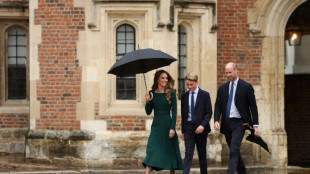 UK's Prince George starts at Eton College
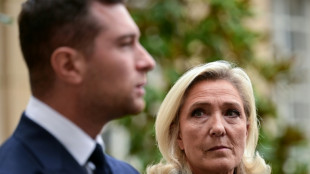 French far right keeps guarded silence over AfD Germany triumph
 Russia-Ukraine talks possible this month, Zelensky says, as Moscow pounds Kyiv
 Turkish Airlines will be new Liverpool shirt sponsor in £300 mn deal
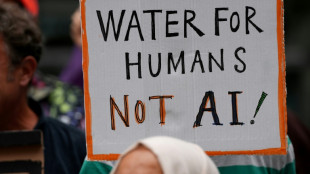 On London's Brick Lane, a data centre sparks local battle
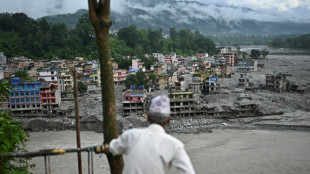 Nepal flood death toll rises as rescuers scour tunnels
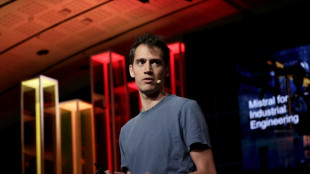 France's Mistral sees value soar with 3 bn euro cash infusion

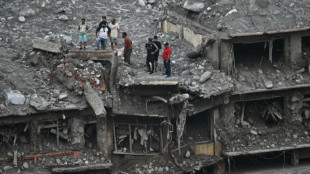 Nepal glacier saw exceptional heat before collapse caused deadly floods: researcher
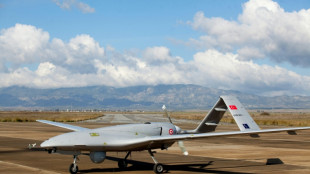 Ethiopia boosts drone production to fight rebels
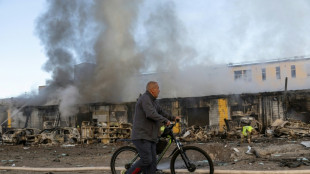
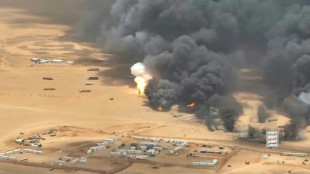 Yemen rebels hit Saudi Arabia with wave of strikes, wounding 73
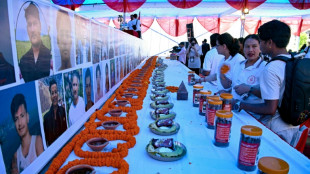 Nepalis mark a year since deadly protests that toppled government
 Rubio launches Latin America tour to cement US influence
 France tries 14 over deadliest Channel migrant crossing disaster
 Australia threatens hefty fines if big tech fails 'duty of care'
 Zverev romps into quarter-finals as Darderi downed
 Kauai on tornado watch as Hurricane Lowell nears Hawaiian islands
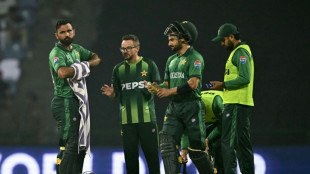 Pakistan roll the dice in search of consolation win over England

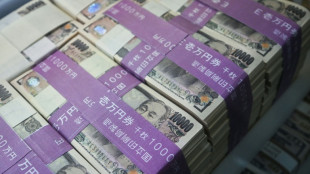 Yen extends gains as traders eye rate hike, tech rallies again
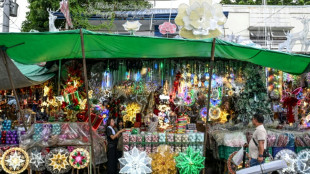 'The ber months': Christmas arrives early in the Philippines
 N. Korea calls Russia bridge a sign of tighter ties

 US sanctions threaten to crush Iranian students' dreams
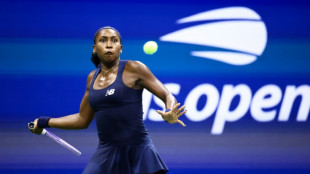 Former champ Gauff holds off Jovic to reach US Open quarter-finals
 Formation Metals Extends A-Zone 200 Metres to the South and Identifies a New Vein Set, Returning 2.53 g/t Au over 11.8 Metres and 1.41 g/t Au over 20.6 Metres at the Advanced N2 Property

Unregulated online content has spread disinformation and propaganda that have amplified political divisions worldwide, fanned international tensions and even contributed to Russia's invasion of Ukraine, a media watchdog warned Tuesday.
Reporters Without Borders said democratic societies are increasingly fractured by social media spreading disinformation and more opinion media pursuing a so-called "Fox News model", referring to the controversial right-wing television network in the United States.
At the same time, despotic and autocratic regimes that tightly control information in their societies are using their "asymmetric" position to wage "propaganda wars" against democracies and fuel divisions within them, the watchdog said in the 2022 edition of its annual World Press Freedom Index.
"Polarisation on these two levels is fuelling increased tension," Reporters Without Borders, widely known by its French acronym RSF, said in a five-page summary.
It noted Russia, where state-run media overwhelmingly dominate and independent outlets are increasingly stifled, invaded Ukraine following a propaganda war.
"The creation of media weaponry in authoritarian countries eliminates their citizens' right to information but is also linked to the rise in international tension, which can lead to the worst kind of wars," RSF Secretary-General Christophe Deloire said.
He added the "Fox News-isation" of Western media also poses a "fatal danger for democracies because it undermines the basis of civil harmony and tolerant public debate".
Deloire urged countries to adopt appropriate legal frameworks to protect democratic online information spaces.
- Record 'very bad' -
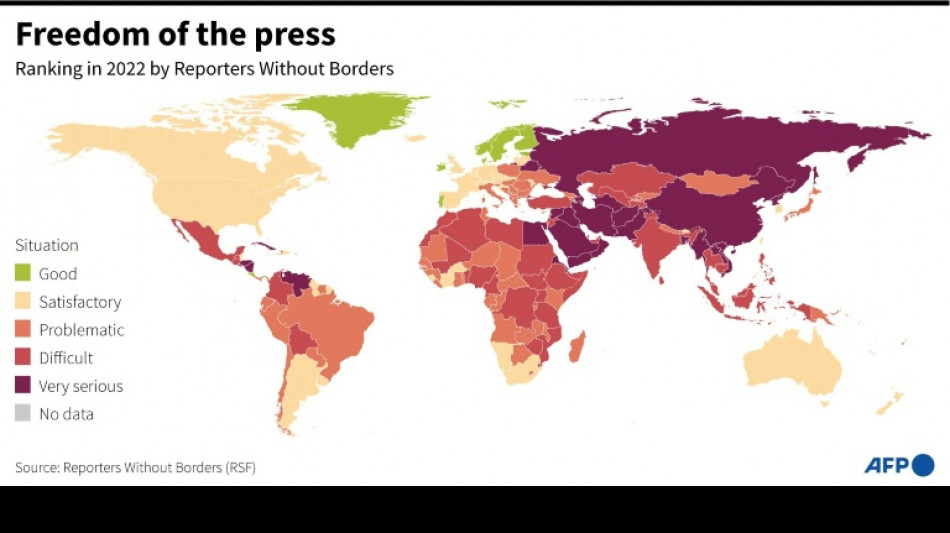
The situation is "very bad" in a record 28 countries, according to this year's ranking of 180 countries and regions based on the degree of freedom enjoyed by journalists.
The lowest ranked were North Korea (180th), Eritrea (179th) and Iran (178th), with Myanmar (176th) and China (175th) close behind.
Russia (155th) and ally Belarus (153rd) were also on its red list of the most repressive.
Hong Kong's position plummeted dozens of places to 148th, reflecting Beijing's efforts to use "its legislative arsenal to confine its population and cut it off from the rest of the world", RSF said.
Nordic countries Norway, Denmark and Sweden again topped the index, serving as a democratic models "where freedom of expression flourishes".
The NGO commended Moldova (40th) and Bulgaria (91st) this year due to government changes and "the hope it has brought for improvement in the situation for journalists".
But it noted "oligarchs still own or control the media" in both.
Media polarisation was "feeding and reinforcing internal social divisions in democratic societies" such as the United States (42nd).
That trend was even starker in "illiberal democracies" such as Poland (66th), a European Union country where suppression of independent media was also noted by RSF.
The NGO, launched in 1985 and which has published the yearly index since 2002, has become a thorn in the side of autocratic and despotic regimes around the world.
This year's listing was developed with a new methodology redefining press freedom and using five new indicators -- political context, legal framework, economic context, sociocultural context, and security -- to reflect its "complexity".
B.Torres--AT