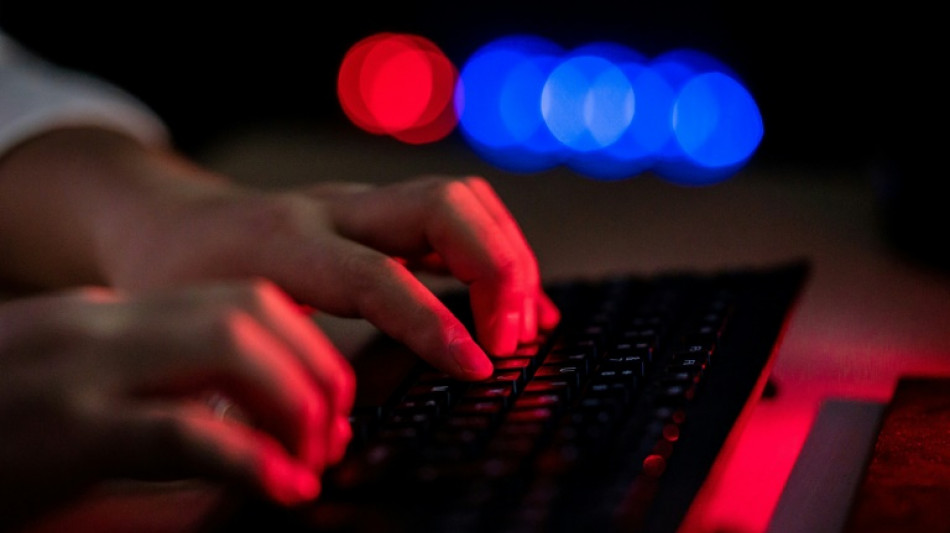
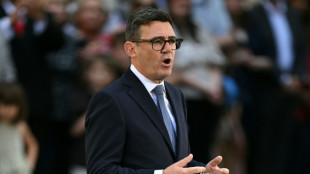
EU media freedom law approved by lawmakers / Photo: NICOLAS ASFOURI - AFP/File

 Airbus pushes ahead with future single-aisle jet, hydrogen plane

 Stocks rise despite climbing oil prices
 UNAIDS chief calls for 'radical change' in Africa amid aid cuts
 EU cancels subsidy to Venice Biennale over Russia presence
 Heavy rain dampens search for dozens missing in Afghanistan flood

 Argentina represented themselves in 'best possible way' at World Cup: Fernandez
 Philippines, China summon ambassadors over clash in disputed waters
 'White elephant': Colombia's anti-corruption activist turned senator
 Stock markets, oil prices climb

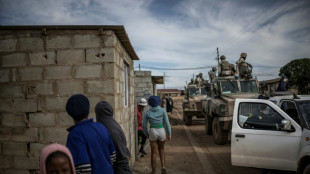 South Africa's anti-migrant unrest sparks smalltown suspicion, fear

 Tour de France hit by new wave of anti-doping tests

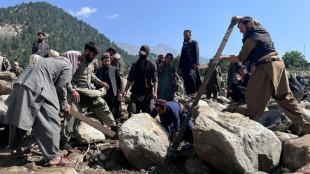 Afghans search for dozens missing after devastating flood
 Novartis says buoyed by new treatments in second quarter

 Great Barrier Reef at risk of 'collapse', scientists warn
 India's 'Cockroach' movement vows to protest until education minister resigns
 South Korea president urges regulator action on leveraged stock funds
 For Ukraine's drones, names are part of the battle
 Countries move to ban social media for children
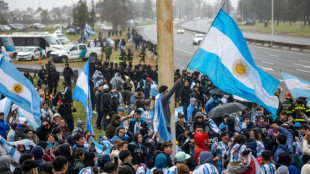
 Asia stocks up as chip stocks recover, oil eases

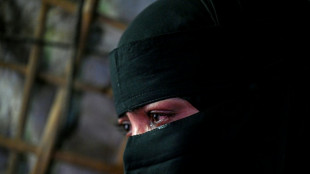 Desperate Rohingya risk deadly voyages as trafficking surges
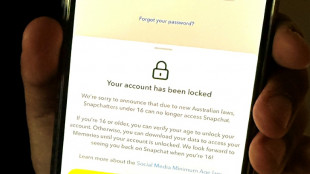
 French lawmakers expected to approve social media ban for under-15s
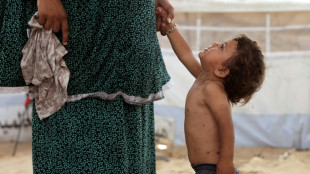 'All these rashes': chickenpox surges in Gaza camps

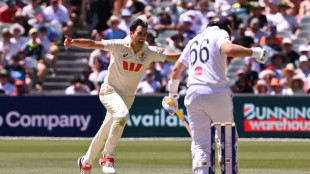 Australia's Cummins, Hazlewood, Lyon back for Bangladesh Test series
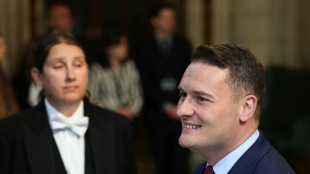
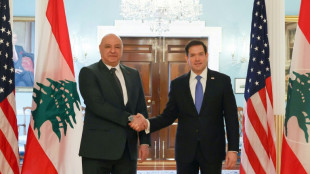
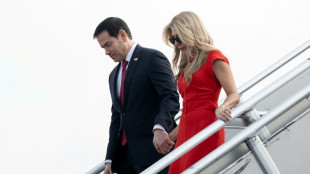 Rubio in Philippines as US condemns 'dangerous' China actions
 Unnatural physique turns Evenepoel into a Tour de France contender
The EU is set to better protect journalists from political pressure and surveillance under an unprecedented media freedom law approved by the European Parliament on Wednesday.
The law includes protections for the secrecy of journalists's sources and a ban on using spyware against journalists.
The legislation, backed in a vote by 464 EU lawmakers, with 92 against and 65 abstaining, also enshrines editorial independence and seeks to improve transparency on media ownership.
The law still needs to be adopted by the EU's 27 member countries before it can come into force.
The European Union commissioner for values and transparency, Vera Jourova, hailed the "historic vote", saying on X that "independent media are essential to democracies" and "it's the duty of democracies to protect them".
Reports Without Borders (RSF), a media watchdog advocating journalist safety and independence, also welcomed the vote.
"This law's adoption marks a major step forward for the right to information within the European Union," said RSF's Brussels office chief Julie Majerczak.
She called for EU member countries to "ambitiously" implement the law.
The draft text of the European Media Freedom Act was introduced by the European Commission in 2022 in reaction to deteriorating media pluralism and independence in EU countries such as Hungary and Poland, and also as spyware like Pegasus and Predator was being used to target journalists.
Jourova said in a Tuesday debate on the law in the European Parliament in Strasbourg ahead of the vote that its provisions address "clear problems" facing media in Europe.
Those included "interference by governments in editorial decisions, pressure on media of public service, media surveillance of journalists, lack of transparency of media ownership and of state advertising, or lack of coordination among media regulators".
The lead lawmaker shepherding the law through parliament, Sabine Verheyen, highlighted not only "threats to media freedom in Hungary" but also the October 16, 2017 murder of a Maltese investigative journalist, Daphne Caruana Galizia.
Malta's prime minister at the time, Joseph Muscat, was forced to resign after mass protests over perceived efforts to protect friends and allies in the ensuing investigation.
Three hitmen convicted of the car bomb killing -- Vincent Muscat (no relation to the former prime minister) and brothers George and Alfred Degiorgio -- were sentenced in 2021 and 2022 to, respectively 15 years and 40 years in prison.
The European Parliament today has a room named in Caruana Galizia's honour and gives an annual journalism award in her name.
- Limited exceptions -
During negotiations on the new law, France insisted on "national security" carve-outs, sparking concerns among journalists and media-freedom organisations.
Exceptions are included in the final law, but not for national security reasons, and only in limited circumstances.
For instance, spyware on devices used by journalists can only be deployed if a number of serious violations are identified, and then only after sign-off from a judicial or independent authority.
EU countries will also be required to ensure sustainable financing of public media organisations, and there are safeguards for journalistic content published online.
The legislation contains provisions for setting up an independent EU committee composed of representatives from national regulatory authorities to examine cases where overconcentration of media ownership might infringe the rules.
The panel would issue recommendations -- nonbinding ones -- in regards to media pluralism.
M.Robinson--AT