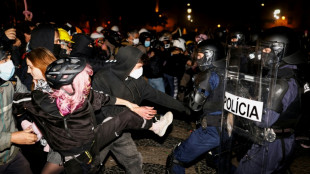
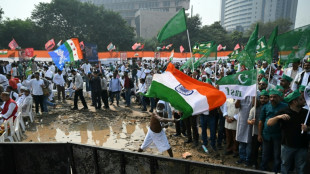
Kosovo says dinar 'not banned' amid new row with Serbia / Photo: Armend NIMANI - AFP

 Marquez wins in Malaysia to stand on brink of MotoGP world title

 Binance says resuming withdrawals after major hack
 Divided Bulgaria votes in tense presidential runoff

 Trump says US looking 'closely' at report Nvidia CEO target of China spy plot
 Maxey scores 38 to lead Sixers 'fighters' to another comeback win
 Valkyries defeat Dream to capture first WNBA crown
 'Seen and heard': Uruguay neighborhood places hopes in pope
 Spewing US election falsehoods, AI chatbots face scrutiny
 EU's new levy on parcels kicks in
 Ocon denies reports of altercation after being dumped by Haas
 Hamilton says love of racing keeps him young
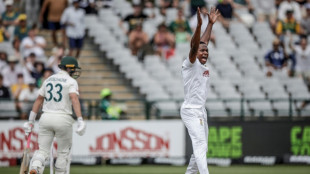 'Disgraceful' Australia face reckoning after South Africa humbling
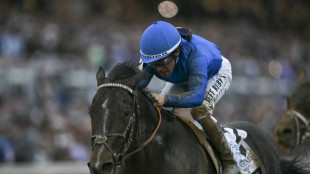
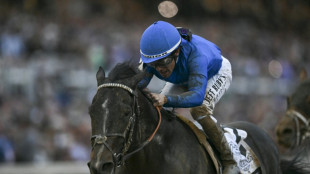 Sovereignty wins Breeders' Cup Classic, Benvenuto Cellini triumphs in Turf for O'Brien

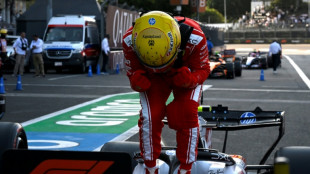
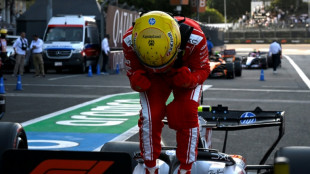 Hamilton takes record 105th pole and first for Ferrari, as Antonelli lurks
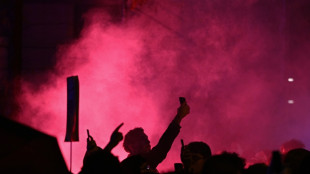 German rioters loot shops as 'Gen Z' demos turn ugly
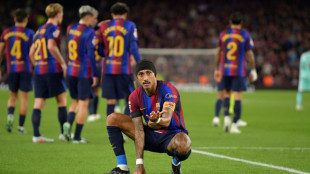 Barca hammer Alaves to retain Liga top spot
 UK king to address Commonwealth with 'unflinching honesty' amid slavery focus

 US judge dismisses Trump lawsuit against Wall Steet Journal over Epstein letter
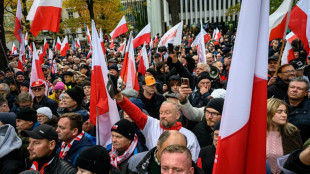 Polish president holds crisis talks in court standoff
 NFL to review new allegations against Packers' Jacobs: reports
 Le Havre owners sack coach after PSG thrashing

 De Minaur upsets Zverev and will face Alacaraz in Vienna final
 German police, protesters clash after 'Gen Z' demos
 Fresh frustration for Maresca as Man City lose to Brighton
 Norris fastest ahead of Antonelli in final Mexico practice
The Serbian dinar is not officially "banned" in Kosovo, Prime Minister Albin Kurti told AFP on Wednesday, but he emphasised that only the euro is legal tender for commercial transactions.
He made the comments during a wide-ranging interview a week after the controversial ruling against the currency inflamed diplomatic tensions with neighbouring Serbia.
Kosovo's roughly 120,000-member Serb community has held tight to the dinar since a brutal late-1990s war between Serbia and ethnic Albanian insurgents saw Serbian troops and government personnel withdraw from the breakaway province.
"We are not banning Serbian dinars, people can have Serbian dinars, but the only means of payment is euro," Kurti said, insisting that Kosovo's Serbs would not be punished for holding the currency.
Kurti said a month-long transitional period was also in effect to ease into the new regulation, which would allow for further communication and time to resolve issues.
"It's not our goal either to punish anyone or to surprise citizens, we want to have them onboard," Kurti said.
"There is no place for fear and panic and with good information we must combat fear mongering which comes from Belgrade," he added.
Kosovo authorities have largely presented the regulation as a means to battle corruption, money laundering, and the use of counterfeit currencies.
"This should not be seen as punishment but as formalisation of financial transactions," Kurti told AFP.
- 'Unlawful' -
His remarks came as Serbia accused the Kosovo government of physically blocking a shipment of dinars at the border on Wednesday.
"The National Bank of Serbia strongly condemns today's incident and reiterates that it is necessary to immediately repeal the discriminatory, illegal and outrageous measures," Serbia's central bank said in a statement.
The bank said the shipment was set to pay salaries, pensions, social benefits and other payments to Serbs in Kosovo.
Kosovo authorities said a Serbian vehicle had approached the border to ask about bringing across dinars and was informed that only authorised companies could bring currency into the area.
Amid back and forth accusations over the incident, Serbian President Aleksandar Vucic panned the new rule along with the incident at the border crossing Wednesday.
"Serbia considers the removal of the dinar in Kosovo as completely unlawful," Vucic told reporters during a press conference in Belgrade, saying the money would be delivered "one way or the other".
- Hopes to normalise ties -
Despite the latest diplomatic row, Kurti said he aimed to normalise relations with arch-rival Serbia this year, following years of stalled talks on the issue between the two sides.
"Normalisation of relations with Serbia I wish for this year, for 2024, and in the next years and decades I want to come out victorious on issues like social inequality, climate change and security threats," Kurti said.
Serbia has never acknowledged Kosovo's 2008 declaration of independence, with the rivals regularly locked in fierce disagreements over even minute bureaucratic matters in the former breakaway province, such as a recent spat over licence plates.
Many Serbs in Kosovo remain employed by Serbian institutions, where their salaries, pensions and other financial transactions rely on the dinar, rather than the euro.
Kosovo adopted the euro as its currency in 2002, despite not being a formal member of the eurozone nor the European Union.
Western governments denounced the dinar regulation as inflammatory, saying it would likely strain already tense relations between the two sides.
Hours before the dinar ban was to come into effect last week, Kosovo appeared to hit the brakes under pressure from the West, saying authorities would not immediately enforce the regulation.
The currency regulation follows a tumultuous year in Kosovo that saw an armed standoff between Serb gunmen and police at a monastery near the Serbian border in September, where at least four people were killed.
The violence followed rioting earlier in the year after the Kosovo government installed ethnic Albanian mayors in northern Serb areas after an election boycott.
A.Anderson--AT