US, UK air strikes pound Yemen as Mideast conflict spreads / Photo: MOHAMMED HUWAIS - AFP

 No World Series miracle for weary Rays

 Miami Heat earn first win of NBA season with Antetokounmpo

 Brewers beat Rays 4-1 to capture first World Series title

 Philippine island fights rising seas with nature, not concrete

 Bangladesh presses India before Ganges water treaty expires

 Trump accuses Alaska Democrats of fraud over same-name scandal
 Spain mourns after latest train tragedy kills 68

 Trump's border: quiet, but few people are happy

 Australian defence chief says China military buildup creating 'pressure' in SE Asia

 Storm Preparedness: The Equipment Worth Investing In

 Argentine football fan jailed for threats over Di Maria return

 Liverpool beat Chelsea in League Cup shoot-out, Man City survive scare

 Inter leave it late again in Serie A as AC Milan, Juventus lose

 Shares in Google owner Alphabet plummet on profit miss, ad slowdown

 Putin hails Elon Musk as 'truly a genius'

 US stocks eye big tech earnings as Fed holds rates steady

 US Fed holds interest rates steady despite 'too high' inflation

 Rwanda cannot be blamed for what happens in DR Congo, FM says

 Inter leave it late again in Serie A as Bologna sink AC Milan

 Bolsonaro's escape to the US: How it happened

 Russell calls on Scotland to 'kick on' and beat big teams

 Airbus aims for record deliveries despite disappointing quarter

 Cuba wins UN vote against US embargo with weakest backing in 30 years

 Real Madrid, La Liga apology over Mbappe shows power of Chinese market

 From Gaza to Ramallah, Palestinians see little hope in Israeli vote
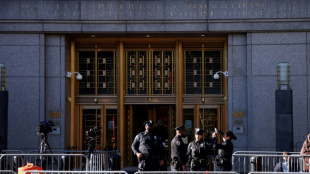
Heavy US and British air strikes pounded targets in rebel-held Yemen early on Friday after weeks of disruptive attacks on Red Sea shipping by Iran-backed Huthi forces acting in solidarity with Hamas.
The Huthis have carried out a growing number of attacks on what they deem to be Israel-linked shipping in the key international trade route since the eruption of the war in Gaza sparked by Hamas's unprecedented attack on Israel on October 7.
The rebels have controlled a major part of Yemen since a civil war erupted there in 2014 and are part of the Iran-backed "axis of resistance" arrayed against Israel.
Friday's strikes targeted an airbase, airports and a military camp, the Huthi rebels' Al-Masirah TV station said, with AFP correspondents and witnesses also reporting they could hear bombardments.
"Our country was subjected to a massive aggressive attack by American and British ships, submarines and warplanes," Huthi Deputy Foreign Minister Hussein Al-Ezzi said, according to official rebel media.
"America and Britain will have to prepare to pay a heavy price and bear all the dire consequences of this blatant aggression," he said.
US President Joe Biden called the US and British strikes a "defensive action" after the Red Sea attacks and said he "will not hesitate" to order further military action if needed.
The strikes involved fighter jets and Tomahawk missiles, the US Air Forces Central Command said in a statement. Sixty targets at 16 Huthi locations were hit by more than 100 precision-guided munitions, it said.
"Today, at my direction, US military forces -- together with the United Kingdom and with support from Australia, Bahrain, Canada, and the Netherlands -— successfully conducted strikes against a number of targets in Yemen used by Houthi rebels to endanger freedom of navigation in one of the world's most vital waterways," Biden said in a statement, using an alternative spelling of Huthi.
Unverified images on social media, some of them purportedly of Al-Dailami airbase north of Sanaa, showed explosions lighting up the sky as loud bangs and the roar of planes sounded.
Biden called the strikes a "direct response" to the "unprecedented" attacks by the Huthis, "including the use of anti-ship ballistic missiles for the first time in history".
"These attacks have endangered US personnel, civilian mariners, and our partners, jeopardized trade, and threatened freedom of navigation," he said.
- Regional concerns -
Blaming the Huthis for ignoring "repeated warnings", UK Prime Minister Rishi Sunak said in a statement the strikes were "necessary and proportionate".
US Defence Secretary Lloyd Austin said the strikes "targeted sites associated with the Huthis' unmanned aerial vehicle, ballistic and cruise missile, and coastal radar and air surveillance capabilities".
A joint statement by the United States, Britain, Australia, Bahrain, Canada, Denmark, Germany, the Netherlands, New Zealand and South Korea said the "aim remains to de-escalate tensions and restore stability in the Red Sea".
"But let our message be clear: we will not hesitate to defend lives and protect the free flow of commerce in one of the world's most critical waterways in the face of continued threats," it said.
The Huthis said there was "no justification" for the air strikes and warned that attacks on Israel-linked shipping would continue.
"We affirm that there is absolutely no justification for this aggression against Yemen, as there was no threat to international navigation in the Red and Arabian Seas, and the targeting was and will continue to affect Israeli ships or those heading to the ports of occupied Palestine," Huthi spokesman Mohammed Abdulsalam posted on X, formerly Twitter.
Yemen's neighbour Saudi Arabia, which is trying to end its involvement in a nine-year war with the Huthis, urged against escalation.
"The Kingdom of Saudi Arabia is following with great concern the military operations," a foreign ministry statement said, calling for "self-restraint and avoiding escalation".
The Western strikes could risk turning an already-tense situation in the Middle East into a wider conflagration pitting the United States and Israel against Iran and its regional proxies.
The Huthi rebels say they are acting in solidarity with Palestinians in response to Israel's bombardment of Gaza after the October 7 attack, and have launched a series of drones and missiles towards Israel.
Israel has also been facing cross-border fire along its northern frontier from Iran-backed militants in Syria and Lebanon -- particularly the Hamas-aligned Hezbollah -- and has responded with strikes of its own in both countries.
US and allied forces in Iraq and Syria have also faced stepped-up attacks since the outbreak of the war in Gaza, with Washington responding to several by bombing the sites of pro-Iran groups.
- 'Consequences' -
The United States and its allies had issued a series of increasingly stern warnings to the Huthis to stop the shipping attacks, although Washington has been wary of inflaming regional tensions.
Washington set up an international coalition in December -- dubbed Operation Prosperity Guardian -- to protect maritime traffic in the area, through which 12 percent of world trade flows.
Twelve nations led by the United States warned the Huthis on January 3 of "consequences" unless they immediately stopped attacks on commercial vessels.
On Tuesday, however, the Huthis launched what London called their most significant attack yet, with US and British forces shooting down 18 drones and three missiles.
The final straw for the Western allies appeared to come early Thursday when the US military said the Huthis fired an anti-ship ballistic missile into a shipping lane in the Gulf of Aden.
It was the 27th attack on international shipping in the Red Sea since November 19, the US military said.
The intensifying attacks have caused shipping companies to divert around South Africa's Cape of Good Hope, sparking fears of a shock to the global economy.
The United States strengthened its military posture in the region immediately after the October 7 attacks on Israel and warned Iran and its allies not to escalate the situation.
The US was initially cautious in its response because it is seeking to preserve a fragile peace in Yemen, where a decade of civil war and a Saudi-led coalition's military campaign have led to one of the world's worst humanitarian crises in the Arabian peninsula's poorest country.
F.Ramirez--AT