Europe's defence sector seeks EU clarity, greater efficiency / Photo: Kenzo TRIBOUILLARD - AFP/File

 Chiefs and 49ers suffer first losses of NFL season, Vikings stay unbeaten
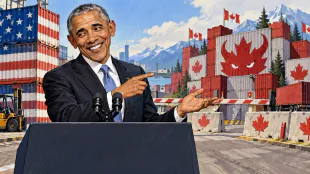 Obama mocks Trump tariffs on Canada during Michigan campaign stop
 Brewers erase four-run deficit as Rays lose World Series Game 2
 Shadab century and record last-wicket stand carry Pakistan past England
 Baylor dismisses Dave Aranda and appoints Joe Klanderman interim coach

 Stocks sink as traders brace for tech earnings, central bank decisions

 Albert Zahn’s carved birds find a lasting home in Wisconsin museums
 NPS Vatsalya offers three choices when a child turns 18

 China's Communist Party elite gather for governance talks
 Maine logging, cross-border ties whipsawed by US-Canada tariff war
 From Carnegie to Claude: AI wealth could reshape philanthropy

 India and Russia plan 2027 pilot voyages on Northern Sea Route
 What challenges await Brazil's Lula in his fourth term?

 Brazil's Lula defies odds to clinch poll victory against Flavio Bolsonaro

 Falcons hand 49ers first defeat of NFL season, Vikings remain unbeaten

 Top Gold IRA Companies in the US Ranked in New Gold IRA Reviews Analysis Report
 Readers debate YES Bank bonds, climate commitments and candidate disclosure
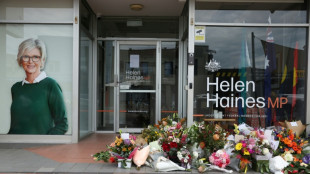 Australian politicians pay tribute to wounded lawmaker
 Modi opens RBI data centre and cybersecurity training institute
 Nifty heads toward weakest Samvat of Modi era after 13% fall
 Disappointed Verstappen admits to wrong tyre strategy at US Grand Prix
 India trims weekly wheat auction volume despite strong miller demand

 Brazil braces for result of knife-edge election after voting chaos
 Bleems adds UFFF toys and collectibles through Kuwait partnership
 Real Madrid beat Barcelona in La Liga Clasico

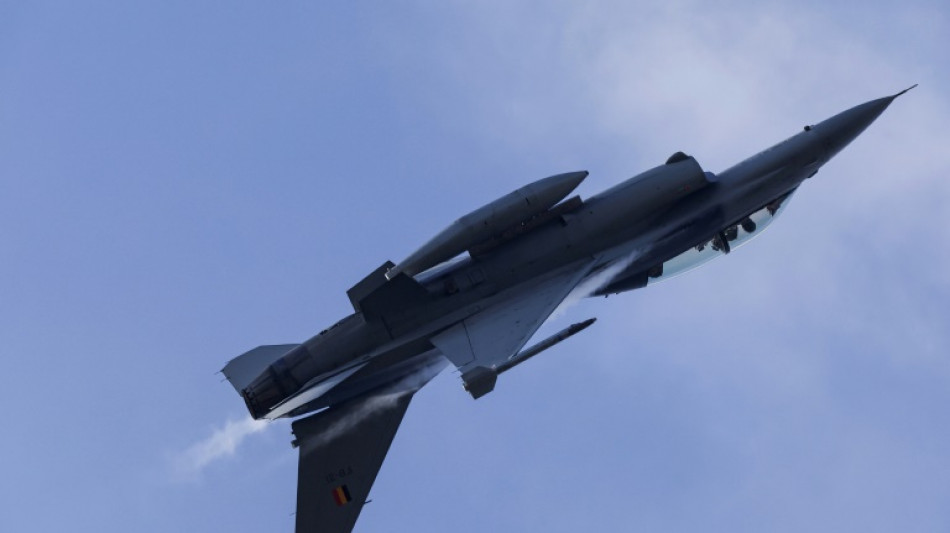
Europe is ploughing billions into its defence industry, with record sums being spent since Russia's all-out invasion of Ukraine, but experts say the EU must make bolder moves to be battle ready.
Defence companies, militaries and EU chiefs all agree that Europe is sorely lacking, especially in what is available to support Ukraine.
But the task list to overhaul the sector is long.
Many participants at Thursday's annual conference of the European Defence Agency (EDA) pointed to issues from financing to interoperability to research and development.
"We need clarity on priorities, cooperation, the pooling of financial resources and consistency between EU and national states," said Eric Beranger, CEO at MBDA Missile Systems manufacturer.
"We need to know where to focus and prepare for the future," he said.
Although military spending in the European Union hit a record 270 billion euros ($295 billion) this year, spending on military research is falling.
The EU's foreign policy chief, Josep Borrell, who also leads the EDA, said the bloc still faces "key capability gaps" and continues to "lag behind other global players".
Moscow has announced a massive 68 percent hike in its military spending for 2024, meaning it will account for almost a third of all of Russia's government outlays.
The EU's 27 member states spend on average 1.5 percent of their country's economic output, far below NATO's target of two percent for its members, 22 of which are also EU member states.
The United States, in contrast, spends 3.5 percent of its already higher GDP on defence.
- Up in arms -
Ukraine's European allies have reaffirmed their support for Kyiv, but some are reluctant to pay more.
In a bid to find a way around the issue, European Council President Charles Michel proposed European defence bonds.
But EU debt is a taboo subject for many member states, starting with economic powerhouse Germany.
Nearly 60 billion euros were nevertheless devoted to investments in the defence sector in Europe last year, according to the EDA.
The EDA said in its annual report published this week that an all-time high of 58 billion euros was allocated in the EU to defence investments in 2022, "overwhelmingly towards the procurement of new equipment".
"This means that we can invest at least 600 billion euros in the next 10 years. With 600 billion euros, we can do great things," Michel said.
He also called for a single market for defence in the EU, but reaching that goal will require major improvements.
One issue Europe faces is the lack of interoperability between weapons on the ground.
"There are way too many different weapon systems in Europe. And this leads to a lack of interoperability," European Commission President Ursula von der Leyen said.
"The Dutch-German brigade uses the same type of howitzer. But the Dutch and Germans cannot use each others' ammunition," the former German defence minister said.
Ukraine's ambassador to NATO, Natalia Galibarenko, pointed out last week that her country's armed forces "are now operating more than 200 different systems of weapon".
- Commitments wanted -
There is also a need for more arms contracts, some argue.
The EU has set up a joint financing mechanism to meet Ukrainian demand for weapons, but the bloc has struggled to make good on promised deliveries.
Brussels promised to provide a million artillery shells to Ukraine by March 2024, but German Defence Minister Boris Pistorius has admitted this target won't be met.
Defence firms have barely invested in such arms, which Europeans believed were outdated after the end of the Cold War.
"Who would have thought that we would need tanks, anti-aircraft defence systems today?" said General Michiel van der Laan, a senior Dutch officer seconded the EU.
"With war on our doorstep," council chief Michel said, the EU can "ensure long-term contracts because our security and stability will require long-term investment".
His message was clear to industry and member states: "produce and we will buy".
President of SAAB arms manufacturer, Micael Johansson, said he wanted commitments.
"We cannot just throw money into things without getting commitments long-term and that is somewhat lacking these days," he said.
T.Wright--AT