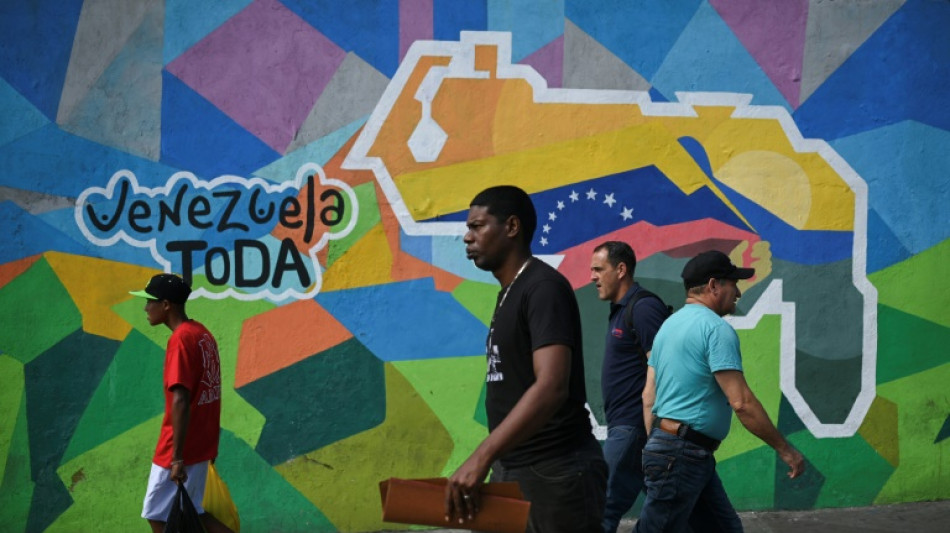
Venezuela to vote on oil-rich region controlled by Guyana / Photo: Federico PARRA - AFP

 Stocks sink as traders brace for tech earnings, central bank decisions

 France's debt woes in focus as ECB meets

 US midterm political advertising crosses $10 billion
 Data center next door divides old Massachusetts mill town
 AI ad blitz distorts US midterms

 Israel's Eisenkot vows unity as Netanyahu paints him as soft on Iran

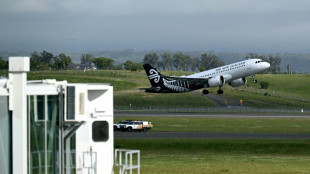 First international flight takes off from new Sydney airport

 Jio’s next phase turns attention from subscriber growth to returns
 Eric Ries sets out how mission-driven companies can endure
 Book examines five forces driving the next phase of Indian startups

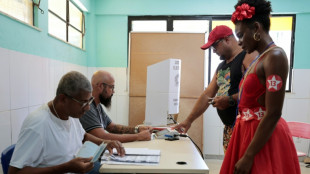 Lula, Bolsonaro in virtual tie halfway through Brazil vote count
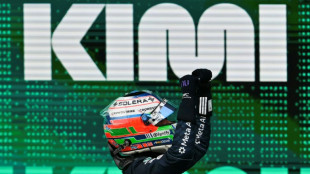 Antonelli looks to seal title 'in style' after US Grand Prix win

 Real Madrid century 'just a detail' for Mbappe after Clasico win

 Mbappe double helps Real Madrid stun Barca in La Liga Clasico
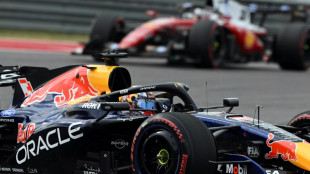
 Antonelli wins US Grand but title triumph has to wait another week
 Manchester United slump deepens as Liverpool climb with Brighton win
 Reus sends Bordeaux second in Top 14 with victory at La Rochelle

 Serbia's student movement ousts longtime leader in parliament poll

 Kuwait minister urges focus on investment quality and development impact

 Descendants of British slave-owning families support reparations campaign
 Aleksandar Vucic: Serbia's veteran ruler felled by student-led movement
 Obama attacks Trump record while campaigning in Ohio and Michigan

 Brazil voting extended in tight race between Lula, Bolsonaro

 'Marine has to win': Le Pen supporters fear for France's future
 QNB expands cross-border funding for AI and digital infrastructure

"The Venezuelan sun rises in Essequibo," "Essequibo belongs to Guyana" -- the opposing camps' slogans say it all.
A decades-old dispute over the oil-rich Essequibo territory reaches a new, potentially escalatory chapter on Sunday as Venezuela holds a referendum regarding the Guyana-controlled region.
Despite pending litigation at the International Court of Justice (ICJ) over where the two countries' border should lie, Venezuela has decided to ask its citizens' opinion on whether or not it should create a new "state" in Essequibo -- a move Guyana claims would pave the way for its neighbor to "unilaterally and illegally" seize the region.
What's at stake?
- The dispute -
At 160,000 square-kilometers (62,000 square-miles), Essequibo makes up more than two-thirds of Guyana, which has administered the area for over 100 years.
In Georgetown, English-speaking Guyana's capital, the logo "Essequibo is ours" flashes frequently on TV screens and adorns building walls and banners.
The Guyanese government insists on retaining the border determined in 1899 by an arbitration panel, while claiming Venezuela had agreed with the ruling until it changed its mind in 1962.
Caracas, for its part, claims the Essequibo River to the region's east forms a natural border and had been recognized as such from 1777 when the so-called Captaincy General of Venezuela, an administrative district of colonial Spain, was established.
It also refers to the Geneva Agreement signed in 1966 ahead of Guyana's independence from Britain, which provided for a negotiated settlement on the region's final borders, which never came to pass.
- The referendum -
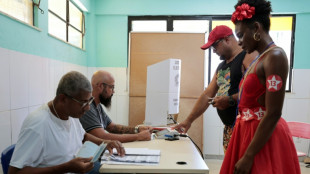
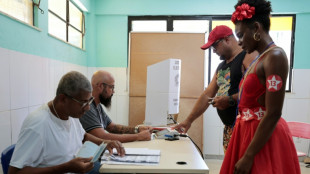
The plebiscite -- described as consultative and non-binding -- will pose five questions to Venezuelan voters.
They include whether or not to reject the 1899 decision, which Caracas says was "fraudulently imposed."
Also on the ballot is whether Caracas should reject ICJ jurisdiction over the dispute, and whether or not to grant Venezuelan citizenship to the people -- currently Guyanese -- of a new "Guyana Esequiba State."
It is not a vote on self-determination.
Georgetown however fears that Venezuela will use a majority "yes" vote as a defense to abandon the ICJ proceedings and resort to unilateral measures, including annexing the entire region by force.
Guyana had filed a urgent application to the ICJ last month to stop the referendum, but a ruling has not been made.
President Nicolas Maduro said Wednesday he expects the vote to yield a "great consensus: to defend Venezuela."
Diplomatic sources told AFP the high-visibility campaign for a "yes" vote in the referendum, which comes ahead of presidential elections next year, essentially amounted to propaganda for Maduro on a rare issue transcending political party rivalries in Venezuela.
There was no counter campaign.
Guyana says the vote is a violation of international law, and has received backing from the Caribbean Community (Caricom) and the Organization of American States (OAS).
- The real reason? -
Some say the real issue is oil, with the dispute intensifying since ExxonMobil's 2015 discovery of crude in Essequibo.
Tiny Guyana has the world's biggest reserves of crude per capita, while economically ailing Venezuela, facing crippling international sanctions, sits on the largest proven reserves overall.
Just last month, Guyana announced a "significant" new oil discovery in Essequibo, adding to estimated reserves of at least 10 billion barrels -- more than Kuwait or the United Arab Emirates.
At the same time, Georgetown awarded bids to eight companies, foreign and local, to drill for crude.
Maduro reacted by calling his Guyanese counterpart Irfaan Ali a "slave" of US oil giant ExxonMobil, which made the discovery.
Caracas called the referendum after Georgetown started auctioning off oil blocks in Essequibo in August.
- Ripe for war? -
The Guyanese side has vowed that "Not a blade of grass" will be yielded to Venezuela -- adopting the title of a song by the US pop group Tradewinds about the conflict.
The rhetoric has escalated in recent weeks, with the tone darkening.
Venezuela has increased its military presence near the border and Guyana has raised the possibility of allowing foreign military bases to be set up in the area.
Could the dispute turn to war?
"It is one scenario," Josmar Fernandez, a Venezuelan conflict resolution expert, told AFP.
"When one talks of territory one also talks of... nationalist sentiment," she said.
Guyana has warned of a "naked threat of territorial aggression" and Ali has repeatedly called for "common sense" to prevail.
On Thursday, Brazil expressed "concern" about the tensions, and said it was in contact with both parties in search of a "peaceful solution."
L.Adams--AT