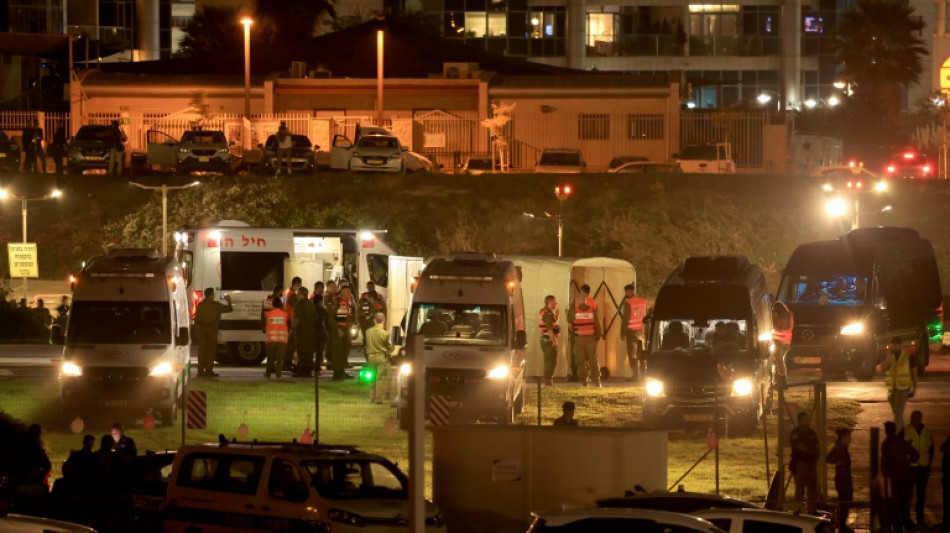
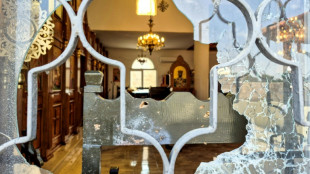
Orphans, mums and kids: Israel braces for delicate task of receiving hostages / Photo: FADEL SENNA - AFP

 Brazil chooses between Lula and Bolsonaro in nail-biter vote

 Kuwait public works minister and UK ambassador discuss closer cooperation

 Doha opens ninth World Investment Forum focused on future investment

 Le Pen begins presidential campaign after violent protests across France

 Adan Hospital launches catheter-based tricuspid valve replacement programme
 KIB Group nine-month profit rises 30% to KD 26.6 million

 John Catlin wins Hong Kong Open and secures first Masters invitation

 Poland’s WB Group plans $100 million India investment for drone production

 Pinheiro Braathen wins Soelden giant slalom
 Man Utd's Fernandes dropped by Carrick after Como outburst

 England great Anderson's future unclear after Lancashire exit
 Demonstrators wounded as Portugal police clear housing protest camps
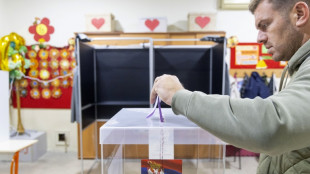 Serbia votes as ruling party faces ascendant student movement

 Police made 1,314 arrests in France's protests: government

 Catlin to make Masters debut after cruising to Hong Kong win

 Katsuragawa hails 'greatest moment' with South Korea win

 Japan's Yoshida wins first LPGA Tour title with South Korea win
 Comeback kings Brewers down Rays to take 2-0 World Series lead
 Sri Lankan turbine project fuels anger as fish hauls plunge
 No LeBron, no problem as Sixers roll on

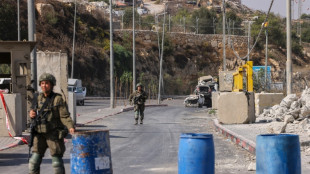 Israel to close all land crossings with West Bank on election day

 'Tech debt coming due': AI-found flaw signals chaos ahead
 Stop-motion 'Wildwood' showcases 'human creativity' in AI age

 Expo Contratista Announces 10th Edition in Dallas, Spotlighting Latino Construction Businesses and Workforce Development

 Easy Fitness Routines You Can Do at Home

An army of Israeli medics, child protection experts and trauma specialists were bracing Friday to receive 13 women and children released from Gaza after weeks of Hamas captivity.
Nearly seven weeks after more than 240 hostages were snatched from southern Israel by Hamas militants, a first batch of 13 hostages were handed over to Red Cross officials in Gaza, before they were delivered to Israeli custody, officials said.
While their identities were not immediately made public, millions of Israelis eagerly awaited news of their return on the first day of a four-day truce and hostage swap.
Authorities were also gearing up for the complex task of helping those released to come to terms with a nearly seven-week hostage ordeal that may have left them deeply traumatised.
Experts said many of the hostages would face further trauma on learning that their loved ones had been killed and their homes destroyed in the unprecedented October 7 assault in which Hamas militants killed about 1,200 people, most of them civilians, according to an Israeli count.
"Some don't know that their significant others -- their families, husbands, parents, siblings -- have been murdered," top child protection expert Sarit Sarfatti told reporters ahead of the release.
"Some don't know that their entire community has been almost entirely annihilated. We will have to break the news to them very soon.
"This is something that cannot be delayed because we don't want them to find out through rumours."
Since the attacks, the deadliest in Israel's 75-year history, the Israeli military has vowed to "crush" Hamas and hit back with a blistering campaign of relentless bombardments, which Gaza's Hamas-led government says has killed nearly 15,000 people.
- Breaking bad news quickly -
As night fell, hundreds of journalists inside a government press centre in Tel Aviv peered up at a live feed from the Rafah border crossing between Gaza and Egypt.
Once Israel received its hostages, it was due to release three times as many Palestinian prisoners from Israeli jails, all of them women and male teenagers, under the terms of the deal reached with Gaza's Hamas rulers.
At least 50 hostages are expected to be freed over the four-day truce, which began at 07:00 am (0500 GMT), in exchange for 150 Palestinian prisoners.
After passing through the Rafah crossing, the freed hostages were to be met by Israeli soldiers who would "identify them physically", then doctors would conduct a full physical examination, said Ziv Agmon, a lawyer attached to Israeli Prime Minister Benjamin Netanyahu's office.
They would then be able to hold a first video call with family members, Agmon said.
After that, they would be flown to five major hospitals and medical facilities around Israel, where they would be physically reunited with their loved ones.
Experts said the hostages would be told on Friday about the deaths of loved ones.
"The IDF soldiers will not give children and their mothers that information, that will be done by health professionals and social workers at the hospitals today, unless they think this isn't the right time," said Sarfatti, the child protection expert.
- 'Life has changed dramatically' -
"In a state of trauma, people can react in very different ways, even people who have experienced the same thing. One may act out, one may withdraw," she said.
"Every reaction is legitimate and we have to help the child and the mother understand it."
Other specialists said it was crucial that the former hostages be carefully reintroduced to their normal environments.
"The biggest risk is to usher them into their previous life without doing it slowly and gently because it's overwhelming and some of them will shut down completely," said Dr Rony Berger, a senior clinical psychologist who specialises in helping survivors of disasters and mass casualty attacks to cope with trauma.
The first thing was to protect them from "the carnival" of their homecoming, he told AFP, saying they would be taken to a "secluded place with very few family members".
"Life has changed dramatically. It will take time for them to reconnect to their life before," he said, saying mourning would be a big part of their adjustment to the new reality.
"It's going to be very difficult for them. They don't have their kibbutz, they don't have their friends."
W.Morales--AT