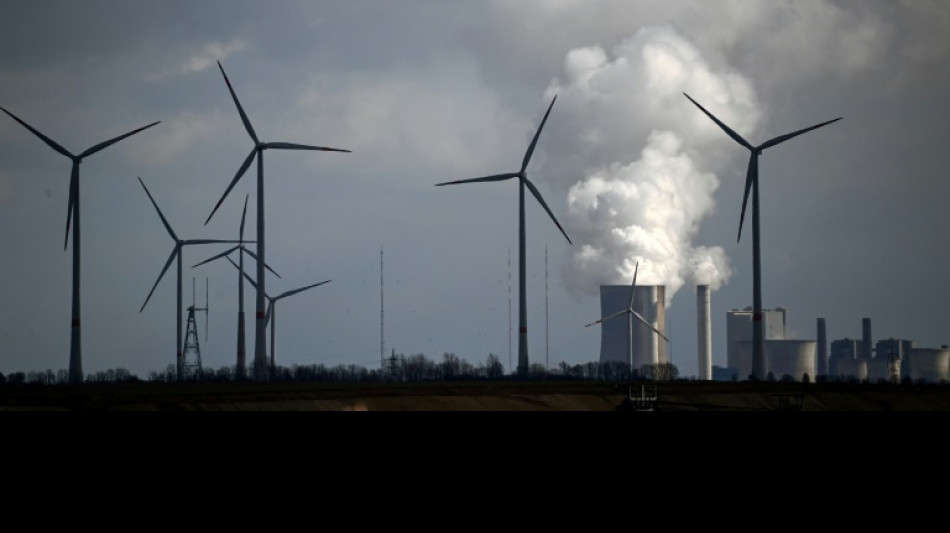
Fossil fuels in the crosshairs at pivotal COP28 talks / Photo: Ina FASSBENDER - AFP/File

 Pakistan keep England to 241 despite Duckett ton
 Ukraine war divides Bulgaria as voters elect president
 Shock and grief in a Jordanian village after church attack
 Top-ranked Rybakina crushes Fernandez to win fourth title of season

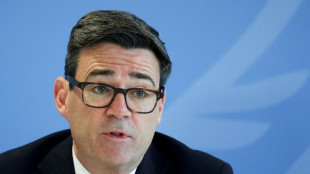 UK PM calls for 'honest discussion' about EU free movement

 Far-right leader Le Pen kicks off tilt at French presidency amid nationwide protests

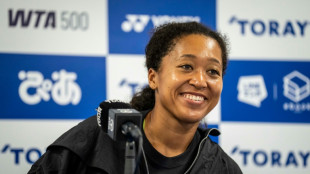 Naomi Osaka could quit tennis if daughter asks her to

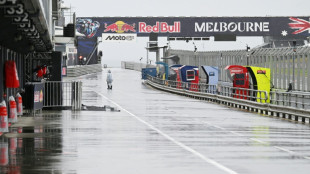 Last MotoGP race at Phillip Island cancelled due to weather in Marquez setback

 Sri Lanka seeks faster green energy shift after oil shocks
 Riyadh airport resumes flights following Houthi attacks

 'Call of Duty' North Korea invasion edition tops sales charts in South
 Musk accuses Ukraine of violating Starlink's terms of service
 Fed expected to hold rates steady days ahead of US midterms

 More Lula, or back to the Bolsonaros? Brazil votes in cliffhanger

 Easy Fitness Routines You Can Do at Home

 Expo Contratista Announces 10th Edition in Dallas, Spotlighting Latino Construction Businesses and Workforce Development

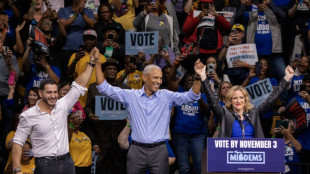 Obama blasts Trump's 'chaos and cruelty' while campaigning for Democrats

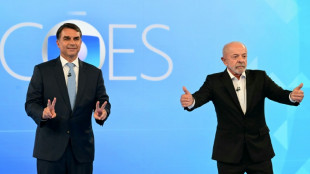 Bolsonaro leads Lula in final Brazil election polls

 Antonelli storms to pole for US Grand Prix

 Alvarez fires Atletico to win against Deportivo

 Japan's Nakai wins Grand Prix de France for second straight year

 Ronaldinho to make comeback in Italian third tier
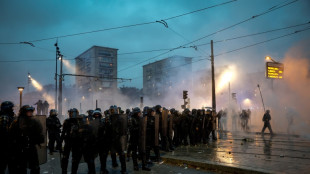
 Israeli forces displace Hebron families after deadly attack
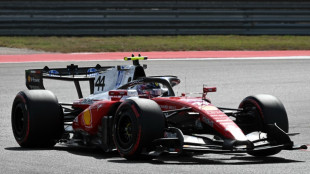 Hamilton on top with Antonelli fourth in final practice at US Grand Prix

 Beier late show sends Dortmund top of Bundesliga
World leaders will face a reckoning over humanity's failure to curb climate-heating emissions and polluting fossil fuels when they meet for UN climate talks next week, as the planet swelters in likely the hottest year in human history.
Pope Francis, King Charles III, political leaders, activists and lobbyists will be among the more than 70,000 visitors expected for the COP28 meeting in oil-rich United Arab Emirates, making it the largest UN climate change conference ever held.
Negotiators will grapple with a host of flashpoint issues, including the future of oil, gas and coal, as well as financial solidarity between rich polluters and poorer nations most vulnerable to accelerating climate impacts.
But the central focus will be a damning stocktaking of the world's limited progress on curbing global warming, which requires an official response to be crafted at the November 30 to December 12 talks.
Signals from leaders will come early, with about 140 heads of state and government due to speak during a two-day summit beginning on December 1.
The stakes have never been higher, with scientists warning that the Paris Agreement's safer 1.5 degree Celsius warming limit is slipping through humanity's fingers.
"The biggest wildcard is probably is there geopolitical space for climate cooperation?" said Alden Meyer of the think tank E3G, adding there was a "corrosive lack of trust" even before the conflict between Israel and Hamas.
Global relations have soured in recent years over Russia's invasion of Ukraine, a mounting debt crisis and the Covid-19 pandemic, when developing countries struggled to access vaccines.
Campaigners have also raised concerns over the influence of fossil fuel interests at the talks, noting that COP28 president Sultan Al Jaber is both UAE climate envoy and head of state-owned oil firm ADNOC.
But they say the summit could also highlight the need to transition away from the energy sources responsible for the majority of human-caused emissions.
"I think it presents us with an opportunity, but also a great challenge, to ensure that fossil fuel phaseout is front and centre at this COP," said Mitzi Jonelle Tan of Fridays for Future Philippines.
- 'Out of road' -
The 2015 Paris climate deal aimed to limit global warming to well below 2C since the pre-industrial era, and preferably to 1.5C.
There has been some progress.
The International Energy Agency this year forecast fossil fuel demand will peak by 2030 due to the "spectacular" growth of clean energy technologies and electric cars -- helped by policies in China, the United States and Europe, among others.
But recent research has exposed how far off track the world still is.
This week the UN Environment Programme said the world is heading for devastating warming up to 2.9C, even with countries' climate plans, calling on G20 polluters to move faster.
The IPCC climate panel says emissions need to fall 43 percent this decade to stay under the 1.5C limit, yet they continue to rise.
"Leaders can't kick the can any further," UN Secretary-General Antonio Guterres said. "We're out of road."
Nearly 1.2C of warming is already triggering blistering heatwaves, massive wildfires, floods and ferocious storms.
This year is expected to be the warmest on record, while proxy data like tree rings and ice cores suggest those temperatures could also be unprecedented in the past more than 100,000 years.
In a stark reminder of the high stakes, Australia this month agreed a landmark deal with Tuvalu to offer sanctuary to the island nation's residents should their home be engulfed by rising seas, as expected this century.
- The F-word -
For decades, global climate negotiations largely avoided mentioning fossil fuels, until Glasgow's COP26 agreed to "phasedown" unfiltered coal power and the "phase-out of inefficient fossil fuel subsidies".
Since then, momentum has built.
"This year has presented us with pretty unprecedented consensus among governments and civil society that the phase out of fossil fuels -- and the phasing in of renewable energy -- is the key thing to tackle in this decade," said Catherine Abreu of Destination Zero.
Even the UAE's Jaber has said he believes the phasing down of fossil fuels is "inevitable".
He has proposed tripling global renewable energy capacity and doubling the annual rate of energy efficiency improvements by 2030.
But the key question is whether these targets are formalised in a negotiated text or shunted into flimsier voluntary pledges, Abreu said, adding that a flurry of side deals from the UAE was "quite worrying".
Finance for developing nations will also stir controversy at COP28.
Monitors say wealthy nations likely met their goal of providing $100 billion in annual climate finance to poorer countries last year -- but the achievement is two years late and insufficient to meet growing needs.
A hard-fought agreement on aspects of a "loss and damage" fund to help climate-vulnerable countries was also recently secured, although details remain contentious.
One positive signal came in a recent US-China climate statement.
Meyer said this signalled a "shift" from Beijing on COP28's global stocktake response, having previously resisted the idea that countries should be pushed to increase emissions-cutting ambitions.
"The real question now is whether India and other big developing countries will change their stance," he said.
G.P.Martin--AT