Inside VW's scramble to 'duplicate' Ukrainian factories

 Himalayan glacier study warns of flood and water-supply risks
 Kuwait schools restore classroom routines after remote learning
 US designer Bob Mackie, known for Hollywood glamour, dies at 87

 BIS flags debt and profitability risks in AI-driven market rally
 Qatar Chamber and Maltese envoy consider business forum
 Spanish PM denies being blackmailed by Morocco

 Doha Islamic finance forum names AlRayan firms as co-lead partners

 Leeds thrash Newcastle to go third in the Premier League

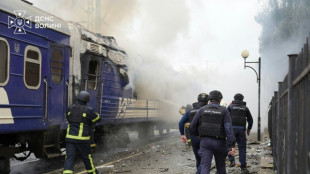 Zelensky says Ukraine ready for 'de-escalatory steps'
 In-form Malen fires Roma to Serie A summit, Inter on their heels

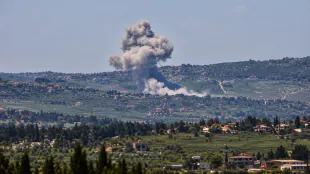 Lebanese agency reports Israeli shelling and gunfire in south
 Expert proposes phased digital reform for Arab business schools

 Trump rejects 'hoax' warnings that AI could destroy humanity
 Houthis say Saudi Arabia hits Yemen with 54 strikes after attack on bases

 Why the far right is losing ground in Sweden
 Ex-Ireland fly-half O'Gara extends deal as La Rochelle coach

 Russian attacks on Ukraine railways escalating every week: rail CEO to AFP

 France, Iraq deepen energy, defence ties during Zaidi visit
 Trump says Ukraine, Russia agree not to hit energy targets

 Nigeria's Dangote refinery launches continent's biggest IPO

 Trump blasts 'sick conspiracy' against AI as warnings mount

 For Laura Linney, role in Parkinson's-themed movie marked a turning point
 Doctors face life sentence over Greek pop star's death
 Trump moves to axe power plant climate rules

 Slow the AI race? Investors weigh the potential cost

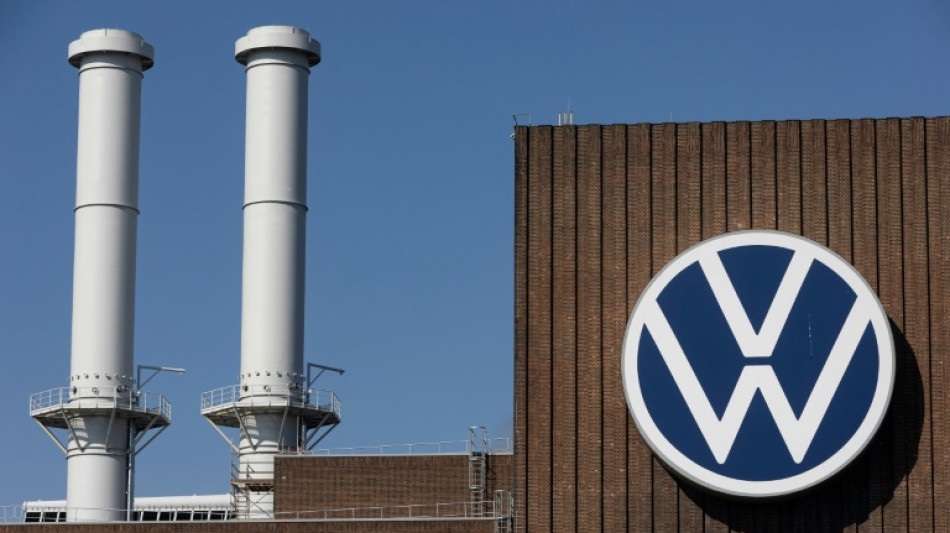
With the war in Ukraine halting deliveries of crucial car parts, Volkswagen and its suppliers are scrambling to find solutions abroad, while trying to reassure Ukrainians they aren't abandoning the country.
Like other carmakers, German giant VW has had to trim production ever since Russia's invasion last month forced many Ukrainian factories to close, holding up supplies of car components across Europe.
It is the latest upset to an industry already battered by two years of computer chip shortages and other pandemic-related supply chain disruptions.
"We are keeping our suppliers in Ukraine," Murat Aksel, VW's board member for purchasing, told reporters at the group's Wolfsburg headquarters in northern Germany.
But "we are currently creating capacities outside Ukraine because no one knows if the war will spread west or how long it will last."
As well as manufacturing a range of car parts, Ukraine is one of Europe's biggest suppliers of automotive wire harnesses.
A wiring harness groups together the maze of cables running through every car and is known as the vehicle's central nervous system.
In Wolfsburg, housed in the VIP section of the Volkswagen Arena stadium, a 150-strong task force of VW experts and representatives from Ukraine's auto parts industry is working feverishly to keep supply lines flowing.
Solutions range from sourcing replacements for certain parts or switching suppliers where possible, to the radical option of creating "duplicates" of entire factories.
The most likely destinations for these mirror sites are countries in eastern Europe or the Maghreb, where costs tend to be lower and where the companies can repurpose or expand existing factories.
- Bunkers -
Pointing at maps of Ukraine and Europe, Aksel said all 16 Ukrainian sites supplying VW with cables are only running at 30 to 40 percent of normal output.
And the situation is "volatile", he added.
One factory outside Kyiv has already been duplicated in Romania.
"If we put in place all our planned measures, we will be able to duplicate all of our Ukrainian production capacity" for wire harnesses, said Geng Wu, co-head of the task force.
In total, around 55,000 employees would have to be trained over the coming months and 90,000 square kilometres of factory space filled with the necessary machines and tools, some of which have months-long delivery times.
German firm Leoni, VW's main supplier in Ukraine, has already relocated some production of wiring systems to an existing Tunisian plant, and additional capabilities are opening in Romania soon.
But Leoni insisted it had no intention of turning its back on Ukraine as the country tries to withstand Russia's attacks.
The firm restarted some production in Ukraine on March 2 "with extra security precautions," said Leoni's chief operations officer Ingo Spengler.
Old Soviet bunkers near two factories in the Lviv region have been refurbished to help keep workers safe.
The company resumed night shifts this week, bringing output back up to 70 percent of normal production, allowing VW to restart its Wolfsburg assembly lines sooner than expected.
"As long as the security situation allows, our suppliers will keep producing," said Aksel, who visited Ukraine with Spengler earlier this month.
Without the Ukrainian sites staying operational, European car manufacturing plants would be in a "dramatic" situation, Wu added.
- Lessons learned -
Of course the effort and money poured into creating new capacities could be in vain if the situation in Ukraine unexpectedly improves.
But VW believes it's a financial risk worth taking.
"Not making cars at all costs the most," Aksel said.
But he rejected the idea that duplication could be the industry's answer to all its logistics woes.
Having a back-up supplier here or there can't hurt, Aksel said.
But you "can't duplicate the whole vehicle".
Volkswagen plans to use the lessons learned from Ukraine to "better understand" the intricacies of its supply chains and minimise the risk of future upheaval.
"This was not our way of doing things in the past," Aksel said.
But only being in contact with direct suppliers is "no longer enough".
To illustrate the need for early vigilance and attention to detail, he offered up a saying: "You have to be able to hear the grass growing."
O.Brown--AT