Madeleine Albright, first female US secretary of state, dies at 84

 Himalayan glacier study warns of flood and water-supply risks

 Kuwait schools restore classroom routines after remote learning
 US designer Bob Mackie, known for Hollywood glamour, dies at 87

 BIS flags debt and profitability risks in AI-driven market rally

 Qatar Chamber and Maltese envoy consider business forum
 Spanish PM denies being blackmailed by Morocco

 Doha Islamic finance forum names AlRayan firms as co-lead partners
 Leeds thrash Newcastle to go third in the Premier League

 Zelensky says Ukraine ready for 'de-escalatory steps'

 In-form Malen fires Roma to Serie A summit, Inter on their heels
 Lebanese agency reports Israeli shelling and gunfire in south

 Expert proposes phased digital reform for Arab business schools

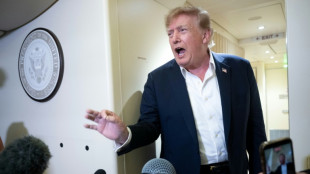 Trump rejects 'hoax' warnings that AI could destroy humanity

 Houthis say Saudi Arabia hits Yemen with 54 strikes after attack on bases

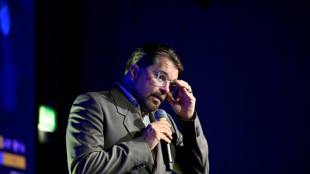 Why the far right is losing ground in Sweden

 Ex-Ireland fly-half O'Gara extends deal as La Rochelle coach

 Russian attacks on Ukraine railways escalating every week: rail CEO to AFP

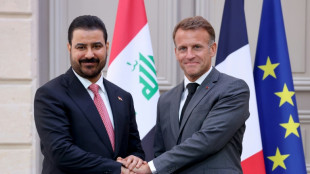 France, Iraq deepen energy, defence ties during Zaidi visit

 Trump says Ukraine, Russia agree not to hit energy targets

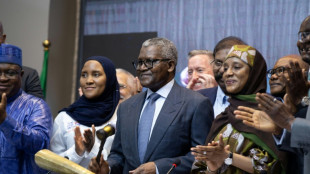 Nigeria's Dangote refinery launches continent's biggest IPO

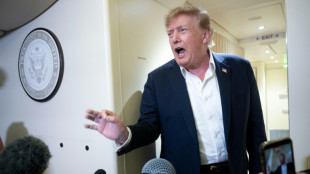 Trump blasts 'sick conspiracy' against AI as warnings mount

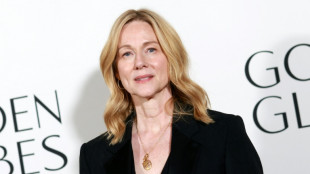 For Laura Linney, role in Parkinson's-themed movie marked a turning point
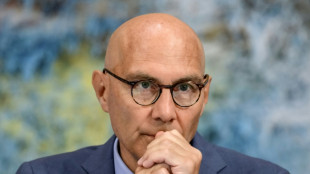
 Doctors face life sentence over Greek pop star's death

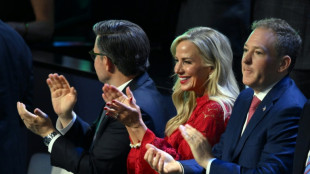 Trump moves to axe power plant climate rules

 Slow the AI race? Investors weigh the potential cost

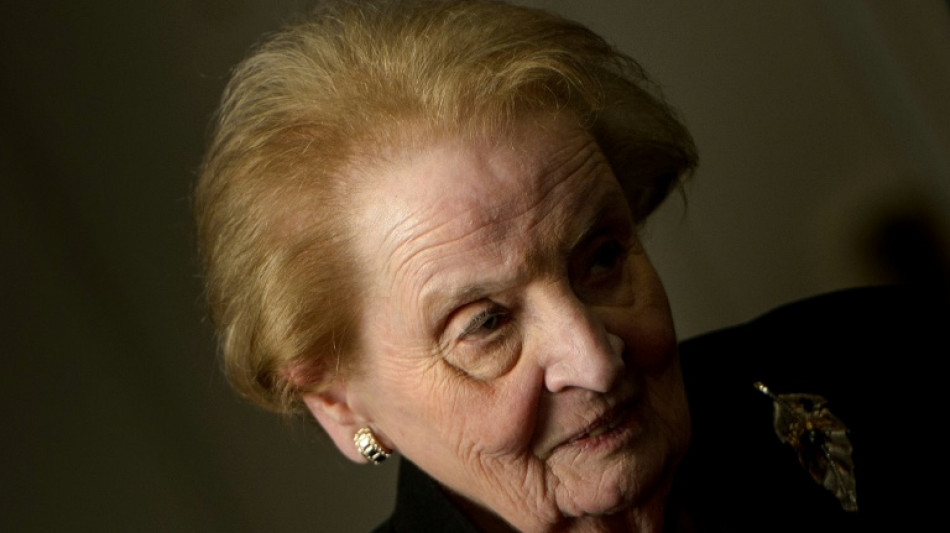
Madeleine Albright, who came to the United States as a child refugee and rose to be the first female secretary of state, shaping American foreign policy at the end of the 20th century, has died at the age of 84.
Tapped by then president Bill Clinton first as ambassador to the United Nations, then as US top diplomat, Albright was one of the most influential stateswomen of her generation.
In mourning her passing, Clinton said Albright had been "a force for freedom, democracy and human rights," calling her death an "immense loss to the world."
In announcing his choice of Albright to head the State Department, Clinton said gender "had nothing to do with her getting the job" and that she was the most qualified candidate.
Albright, however, was aware of the significance of the appointment.
"It used to be that the only way a woman could truly make her foreign policy views felt was by marrying a diplomat and then pouring tea on an offending ambassador's lap," she once said in a speech to the Women in Foreign Policy Group.
"Today, women are engaged in every facet of global affairs."
Following news of her death, State Department spokesman Ned Price said she had been a "trailblazer as the first female secretary of state and quite literally opened doors for a large elements of our workforce."
Albright took the helm of the State Department in the post-Cold War world in which the United States had emerged as the single superpower, leading crucial discussions with world leaders on arms control, trade, terrorism and the future of NATO.
Not since Margaret Thatcher governed Britain had a woman held such a position of global influence.
Described by her family as a "tireless champion of democracy and human rights," Albright was awarded the nation's highest civilian honor, the Presidential Medal of Freedom, by president Barack Obama in 2012.
Born Marie Jana Korbelova in Czechoslovakia on May 15, 1937, Albright came to the United States as a refugee with her family in 1948 and became a US citizen in 1957.
Her father, Josef Korbel, a diplomat, had converted from Judaism to Catholicism after the family fled to London in 1939 to escape the Nazis.
Albright said she only learned about her Jewish origins late in life and the fact that three of her grandparents had perished in concentration camps.
- 'Short, noisy type' -
Fluent in English, Czech, French and Russian, Albright earned her undergraduate degree from Wellesley College.
Albright earned her doctorate in political science at Columbia University and went to work for Democratic senator Edmund Muskie.
She later joined the National Security Council in the White House of president Jimmy Carter, serving under his national security advisor Zbigniew Brzezinski, her former professor at Columbia.
After Carter's defeat, Albright began teaching at Georgetown University in Washington but remained an influential voice in Democratic foreign policy-making circles.
She was named US ambassador to the United Nations by Clinton in 1993 and served in that role until 1997, when she became secretary of state.
One of her final voyages in the post was an official visit to North Korea, where she met with then-leader Kim Jong-Il.
In an interview with AFP as she prepared to leave the State Department in 2001, Albright said she would remain involved in foreign policy.
"I am not going to be a wallflower," Albright said.
"I also have never thought of myself as the tall, silent type, so I will be the short, noisy type and I am going to stay out there," she said. "I love foreign policy, I am passionately interested in how the world evolves."
Just a month ago, The New York Times published an opinion piece by Albright in which she argued that Russian leader Vladimir Putin would be making an "historic error" if he invaded Ukraine.
Albright married Joseph Albright in 1959. They had three daughters and divorced in 1982.
Her memoirs, "Madam Secretary," were published in 2003.
E.Hall--AT