Ukraine: how far will Putin go?

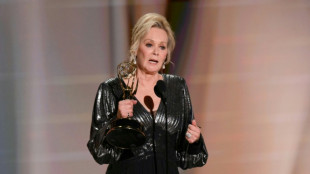
 Television's A-listers glitter on Emmys red carpet

 US Supreme Court blocks Trump mail-in ballot restrictions

 Dodgers clinch playoff berth in bid for third straight World Series
 Doomers and boosters: who's who in the AI wars
 GAC presents autonomous trucks and MONTX concepts at Hannover show

 EU extends Russia sanction deadline
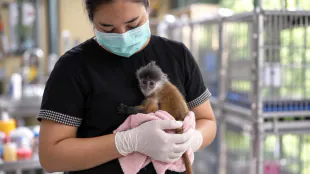 Thai wildlife investigators track traffickers through social media
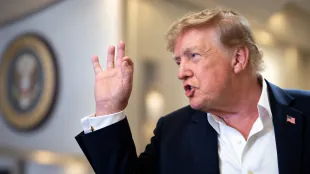 Trump rejects AI slowdown concerns as UN urges coordinated controls

 US judge postpones new visa rules for foreign students, journalists
 Higher wages draw migrant workers to Kashmir despite attacks

 Oil supply concerns and AI warnings weigh on global markets
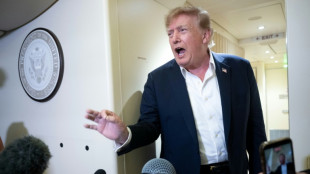 'I am the hoax buster': Trump rejects AI danger warnings
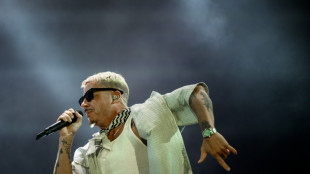 Macklemore dropped from Ed Sheeran tour after 'free Palestine' speech

 Trump's son confirms Russian businessman paid for post-wedding festivities

 Betis beat winless Villarreal to go third
 Etihad capacity rises as war disruption weighs on annual earnings
 At G20 summit, US unravels power plant climate rules
 Russian disinformation campaign sets sights on US midterms
 England No 8 Pollock could move abroad or switch sports amid contract stand-off
 Canada makes pitch as safe place to invest in 'uncertain world'
 In-form Malen fires Roma to Serie A summit
 IOC visits Lyon amid leadership turmoil for 2030 Winter Olympics
 New York seizes 12 celeb deep-fake porn sites
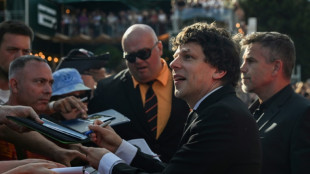 Jesse Eisenberg channels emotional intensity into 'The Debut'
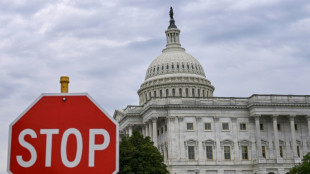 Alarm over AI grows as divided US Congress struggles to act
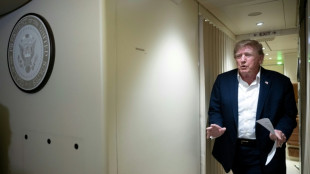
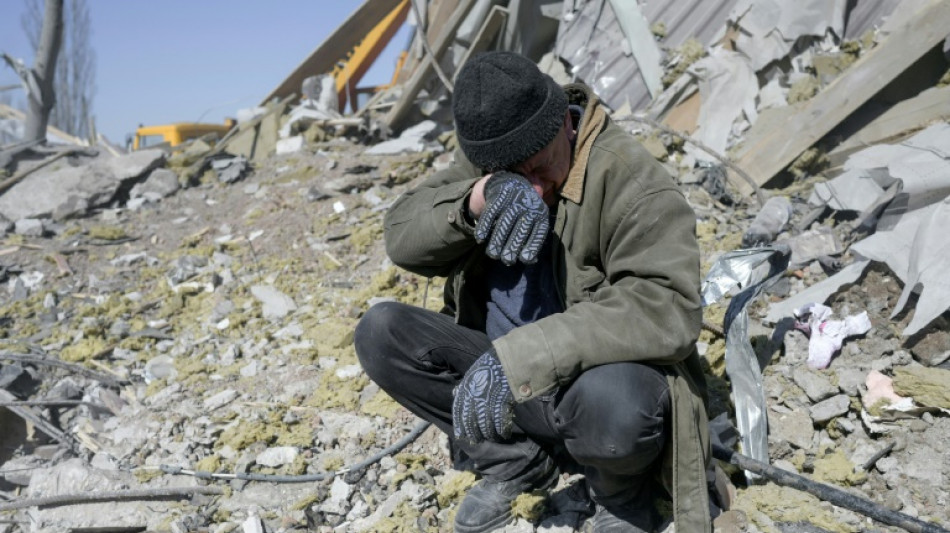
Vladimir Putin's invasion of Ukraine has met with tougher resistance and higher costs than the Kremlin imagined but the Russian leader may still be undeterred in seeking to realise his ambitions.
One month into the invasion launched on February 24, Moscow has faced heavy military losses and unprecedented sanctions in exchange for relatively meagre progress on the ground.
But analysts say a variety of factors, including the changing seasons and even an upcoming new Russian draft conscription intake, could encourage Putin to press the operation for months to come.
His ultimate aim, according to many Western analysts and security sources who have spoken to AFP, remains control of the entire country up to the Polish border.
But the stalled progress military progress on the ground could encourage him to pursue a negotiated settlement, with Russia seeking minor concessions from Kyiv that Moscow could then claim as a victory.
One initial Kremlin aim that appears to have been shelved for now is the immediate overthrow of President Volodymyr Zelensky, with calls for regime change now less prominent in Kremlin rhetoric.
"The initial plan, which was probably a lightning war to take control of Kyiv very quickly and bring down the Ukrainian government, did not work," said Marie Dumoulin, director of the Wider Europe programme at the European Council on Foreign Relations (ECFR).
"The most likely outcome now is that Putin will intensify his efforts and switch to a dirty war strategy to increase the human cost for the Ukrainians and force them to capitulate," she added.
- 'Destruction and punishment' -
The tenacious Ukrainian resistance and the heavy losses inflicted on Russia -- which for weeks has not disclosed a military death toll -- mean that this war is very different to the operation to annex Crimea in 2014 and the intervention from 2015 in Syria to bolster the regime there.
Negotiation channels are open meanwhile, with Zelensky saying he is ready to talk to Putin, the opposing delegations holding several rounds of talks in Belarus, and Turkey standing by to step in as a mediator.
Russia could yet take steps such as the use of chemical weapons or targeting humanitarian convoys, analysts say.
Another critical factor will be if troops from Russia's ally Belarus enter the war in a bid to swing the balance on the northern front.
"Putin still thinks this will not go on like this and he will end up imposing his will by sheer mass whatever the resistance," said Frederic Charillon, professor of international relations at Clermont Auvergne university.
Faced with the difficulties of the Russian army on the ground and the cascade of sanctions against Russia, Putin is "however moving more and more towards a war of destruction and punishment", he added.
"The question is not so much what he wants to get, but how and at what price," said Tatiana Stanovaya, founder of the R.Politik analysis firm and a scholar at the Carnegie Moscow Center.
"It will take time, will cause more problems, but he is convinced that he has no choice and that he is on a historic mission" of restoring Russian influence.
- 'Obviously not enough' -
The minimum territorial demands for Russia -- along with Ukraine renouncing NATO membership -- are likely to be Ukrainian recognition of annexed Crimea as part of Russia and of the breakaway Donetsk and Lugansk regions as independent.
Russia could also be eager to take control of territory in southeast Ukraine -- and notably the besieged city of Mariupol -- to link Crimea to Russia by land.
Its troops could then press on westwards to the Black Sea port of Odessa.
Zelensky has said that the status of Crimea and the pro-Moscow breakaway statelets could be discussed, but with the proviso that any major changes would need to be put a referendum, which would likely doom any such idea.
While the increasing Russian losses could put Putin under domestic pressure, so far there has been no sign of any critical split within the Russian elite.
"The key for Putin is power, pressure and victory," said Abbas Gallyamov, a former Kremlin speechwriter and now a political consultant. "He can't pull back without having something to show for it.
"He needs an agreement on the neutrality of Ukraine. But this is obviously not enough. He also wants recognition of Crimea and of the republics of pro-Russian separatists from Lugansk and Donetsk."
B.Torres--AT