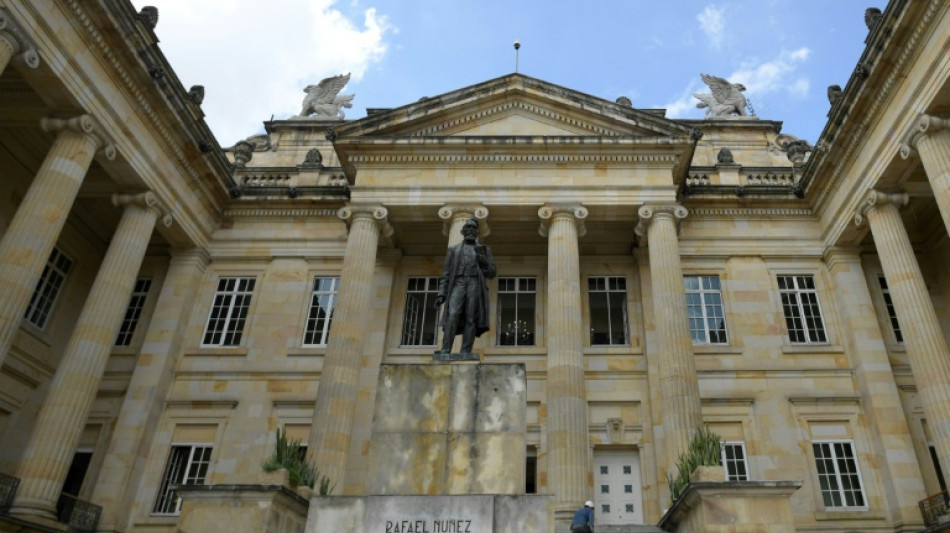
Colombians vote for Congress, short-list presidential contenders

 Barcola scores hat-trick as Liverpool hit LASK for six
 Healthy corals help bleached neighbors regain color: study
 Hope ton helps West Indies level T20 series at 2-2 in India

 Ukraine war reaches shores of Bulgarian fishing village
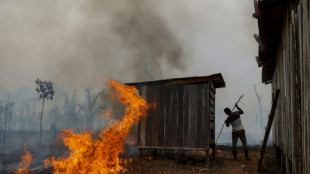 Brazil probing 'criminal' origin of forest fires: minister to AFP
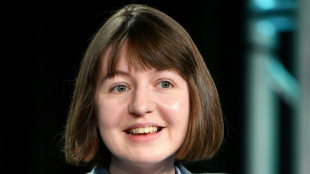 Sally Rooney books cannot be sold in UK amid Palestine Action ban: publisher

 Italian ski stars Goggia and Brignone to miss season opener
 Bournemouth boss Rose urges Cherries to bounce back from Chelsea 'slap'
 Top seed Sabalenka falls at first hurdle in Wuhan

 FX Junction Brings Copy Trading to Everyone, While Their Money Never Leaves With Their Broker

 Brighton defender Struijk's red card overturned

 Saudi league postpones three matches after Houthi attacks
 US consumer inflation up more than expected as midterms loom

 Canadian publisher supports novelist Orelien after AI denial

 Medvedev sees off Tsitsipas to reach Shanghai Masters quarters
 Louvre boss warns of closure risk without major renovations
 Lawes and Genge urge England to end ban on overseas-based players

 Metrika Selected by OCC to Support Stablecoin Supervisory Framework Under the GENIUS Act
 Kenya hosting 2029 World Championships will help doping fight, says Coe
 UK prosecutor tells jury Russell Brand a 'sexual predator'
 Fulham manager Arbeloa fined £25,000 after Man Utd outburst

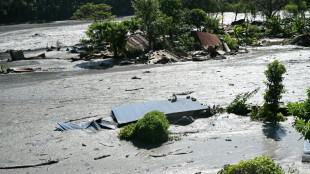 Nepal flood triggered by rock and ice avalanche: report
 'Distressed' family of UK man killed by tiger urge end to online posts

 Regulator expects Man City appeal to be heard by January

 Rising Spanish tennis star handed code violation for swearing at ballboy

Colombians vote Sunday to draw up a shortlist of presidential candidates for elections in May while also electing the 296 members of its Congress.
Nearly 39 million of Colombia's 50 million inhabitants are eligible to vote in a complex but critical election that comes with the president and legislature both at rock-bottom levels of public opinion.
In a country with a history of political violence and voter turnout traditionally below 50 percent, outgoing President Ivan Duque has promised safety "guarantees" for the non-compulsory vote.
On one part of the ballot, voters will determine the composition of the Senate and House of Representatives, currently in the hands of right-wing parties.
But all eyes will really be on the outcome of the presidential primary -- called inter-party "consultations" -- happening alongside the legislative vote.
In a country that has always been ruled by the political right, polls show that former guerrilla, ex-Bogota mayor and senator Gustavo Petro, 61, stands a real chance of becoming Colombia's first-ever leftist leader.
Also in the running is former FARC hostage Ingrid Betancourt, who said in January she would vie to represent centrist parties as an alternative to both the ruling right and Petro.
The process must yield three presidential contenders from 15 candidates vying to represent groups of politically-aligned parties -- one each for the left, right and center.
Three others have already been chosen by their respective groupings.
Six finalists will face off in a first round of presidential elections on May 29, which will be followed by a runoff on June 19 if no one wins am outright majority.
- First leftist president? -
Petro enjoys polled support of about 45 percent -- more than any other candidate in a country traditionally distrustful of the left.
That distrust is widely associated with the now defunct Revolutionary Armed Forces of Colombia (FARC) and other rebel groups that fought the government in a near six-decade civil conflict.
"When the government is unpopular, there is alternation and the opposition wins, but in Colombia, this is new: the left has never really been in a position to win an election," said analyst Yann Basset of the Rosario University in Bogota.
In 2018, Petro lost the presidential race to Duque, who is leaving office as his country's most unpopular president in history following a year marked by social unrest and a violent police crackdown that drew international condemnation.
The political right he represents is divided and weakened by the absence of popular former president Alvaro Uribe, who had to resign from the senate under a cloud of alleged bribery and witness tampering. It has no clear frontrunner.
For Betancourt, it is her second presidential run: she was abducted 20 years ago while campaigning and held captive in the jungle for more than six years.
Colombian presidents serve only one four-year term.
- Economy dominates -
Duque's successor faces a multitude of challenges, not least of which is a new cycle of murders and kidnappings as violence has surged despite a 2016 peace deal that disarmed the FARC and officially ended the civil war.
The new president will also contend with an economy hard hit by the fallout from the coronavirus pandemic.
"What dominates the agenda today is how we will get out of the economic and social crisis," said Basset.
Congress, for its part, enters Sunday's election with an 86 percent disapproval rating, according to the Invamer polling agency, due to multiple corruption scandals.
Despite the peace pact, fighters of the leftist National Liberation Army (ELN) still battle dissidents of the disbanded FARC, paramilitary forces and drug cartels for territory, resources and smuggling routes.
Colombia is the world's largest cocaine exporter.
The right-wing government in Bogota accuses its populist socialist counterparts in Venezuela of supporting and providing refuge for far left guerrillas.
H.Romero--AT