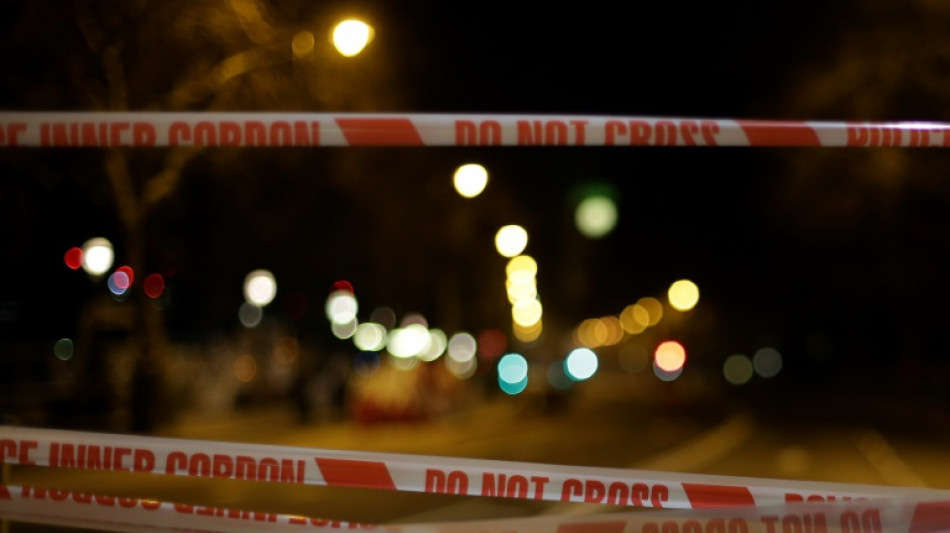
UK 'spy cops' tactics unjustified: public inquiry report / Photo: Daniel LEAL-OLIVAS - AFP

 Gauff says online abuse was 'draining' after China Open exit

 As sector struggles, Porsche puts luxury ahead of volume

 'It's personal': Fiji minister pushes better climate finance at pre-COP

 Russia glosses over dark Soviet past in reinvented museum

 UK tax body opened probe into Man City in 2018: FT
 Yemen's Houthis claim new attacks on Saudi airports as conflict deepens
 Germany factory production at highest level for 18 months

 Thailand floods death toll rises to 60 since mid-September

 US pushes Russia for information on plague reports

 Myanmar leader lands in Malaysia for migrant return talks

 Indian central bank hikes rates for first time since 2023

 US military on Okinawa face curfew, alcohol ban after murder case

 Fierce lobbying in EU over 'forever chemicals'

 Dodgers beat Braves and Padres avoid sweep in MLB playoffs

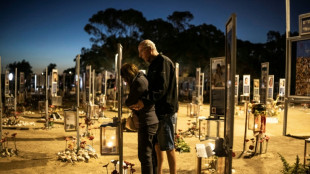 Mourning, war and elections as Israel marks October 7

 Messi says Argentina retirement is 'saddest day of my career'

 Oil rises and stocks fall as Hormuz worries flare

 Pacific presses world for help 'surviving' climate change at pre-COP summit

 Verstappen revival to be put to the test in steamy Singapore

 US woman who survived botched execution is conscious, speaking: lawyers

 Climate champion Australia digging more coal

 Emotion, tears as Messi retires from Argentina national team

 Dodgers push Braves to the brink of MLB playoff exit
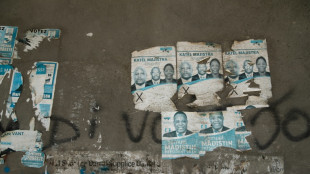 Crisis-stricken Haiti postpones elections

 N. Korea's Kim pledges 'invariable support' in Putin birthday letter

An undercover UK policing unit that spied on hundreds of campaign groups over decades should have been shut down as its tactics were unjustified, a report concluded on Thursday.
Officers working for the Metropolitan Police's Special Demonstration Squad (SDS) used subterfuge to infiltrate political and campaign groups and spy on its members.
Some women were tricked into sexual relations with undercover officers, some of whom had used the names of dead children to create false identifies.
Former senior judge John Mitting concluded in a report that most left-wing and activist organisations spied upon posed no threat.
The public inquiry he is chairing is looking into 50 years of undercover policing in England and Wales, after revelations in recent years about the underhand tactics prompted public outrage.
The first report covers the years 1968 to 1982 and is based on more than 3,400 documents, files, statements and evidence from former officers, as well as members of the public directly affected.
The inquiry was set up by former prime minister Theresa May in 2015 but was delayed by the sensitive nature of the evidence, and the coronavirus pandemic.
Hearings only began in November 2020.
Further hearings will look at the impact of officers' relationships with women, and the at wider impact the double lives they led, with a final report due in 2026.
Targets included justice campaigns, including that for Stephen Lawrence, the black victim of a racist murder by a group of white youths in south London in 1993.
The SDS was set up to gather intelligence to help uniformed officers handle events where there was a risk of public disorder.
- Unjustified -
Mitting concluded that while the unit did help policing preparations, its role should not be overstated.
Had its operations been made public in the 1970s, the unit would have been "brought to a rapid end", he said, adding that little or no thought had been given to the effect of its tactics and long spells that officers spent working undercover.
"If these issues had been addressed, it is hard to see how any conclusion could legitimately have been reached which would not have resulted in the closure of the SDS," he wrote.
Only three of the groups targeted at the time was justified in the public interest -- Sinn Fein, which was the political wing of the paramilitary Irish Republican Army (IRA), and two others.
The two others have not been named publicly.
Mitting said "long-term deployments into left-wing and anarchist groups did make a real contribution" to policing but other, "less intrusive means" could have achieved the same results.
"The question is whether or not the end justified the means," he added.
"I have come to the firm conclusion that, for a unit of a police force, it did not; and that had the use of these means been publicly known at the time, the SDS would have been brought to a rapid end."
Jon Savell, from the Metropolitan Police, said regulation and oversight of undercover work had been transformed.
"The way in which undercover policing was conducted in the 1970s bears no relation to how it is conducted today," he said.
P.A.Mendoza--AT