Ukraine thaw could slow Russian advance in mud

 Govt takes control of Turkey's most-watched news channel

 FIFA to offer members $6.35-billion development fund windfall

 US consumer inflation hotter than expected as midterms loom

 INmune Bio Inc. and Quantum Computing Inc. Partner to Apply Quantum Optimization and AI to Advance Alzheimer’s Drug Research and Explore New Applications for XPro

 Hot US inflation data dents Wall Street stocks
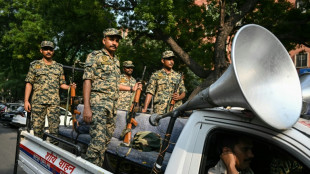 India sends 'cockroach' leaders to jail after protest

 'Sinners' director Ryan Coogler to reboot 'X-Files' for Disney
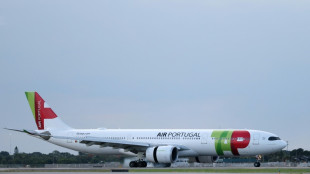 Lufthansa wins contest for TAP Air Portugal stake
 AI worms, 'major' incident fears spur safety calls at industry summit
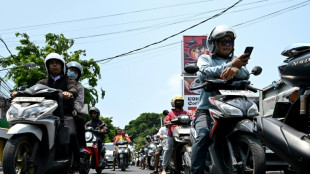 Fuel shortage triggers queues on Indonesia's Bali island
 Evolution Metals & Technologies Corp. Reaffirms $400 Million to $460 Million FY2027 Revenue Guidance, Unveils Eight Sintered Magnet Grades Covering an Estimated 75% of Global NdFeB Revenue, and Moves to Answer U.S. Army Call for Rare Earth Magnets

 Trial defence says Russia used Nord Stream pipelines as 'weapon'

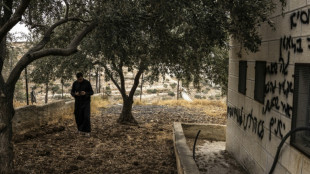 Israeli settlers set fire to mosque in occupied West Bank

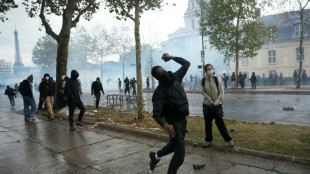 Macron says French student protesters 'exploited' by political forces: spokeswoman
 Stocks diverge ahead of key US inflation data
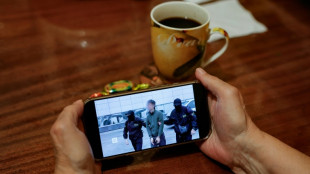 Japan summons Russian ambassador to protest journalist's arrest

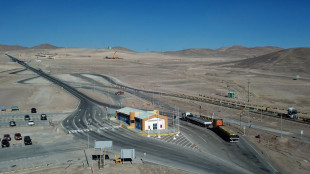 Workers to strike at world's largest copper mine in Chile
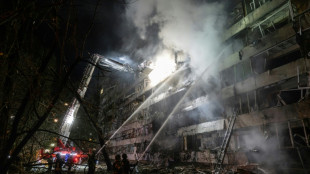 Ukraine accuses US of helping Russia as missiles hit Kyiv
 Drone hits data centre of Russia's largest bank
 Bivial AG Brings Its Complete Dashboard to Mobile
 Mont Blanc nearly two metres taller than in 2023: French surveyors

 Pope recovering after lung cancer operation that rattles Church
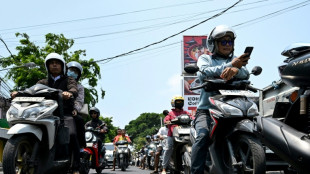
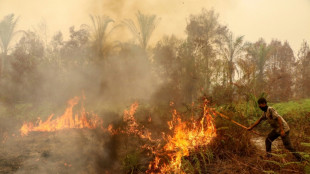 Indonesia haze spikes Singapore pollution, shuts East Timor schools
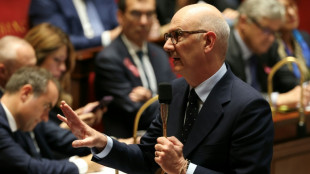 Higher borrowing costs an 'alarm signal' for France: finance minister
 Zelensky accuses Putin of disrespecting Trump after latest attacks

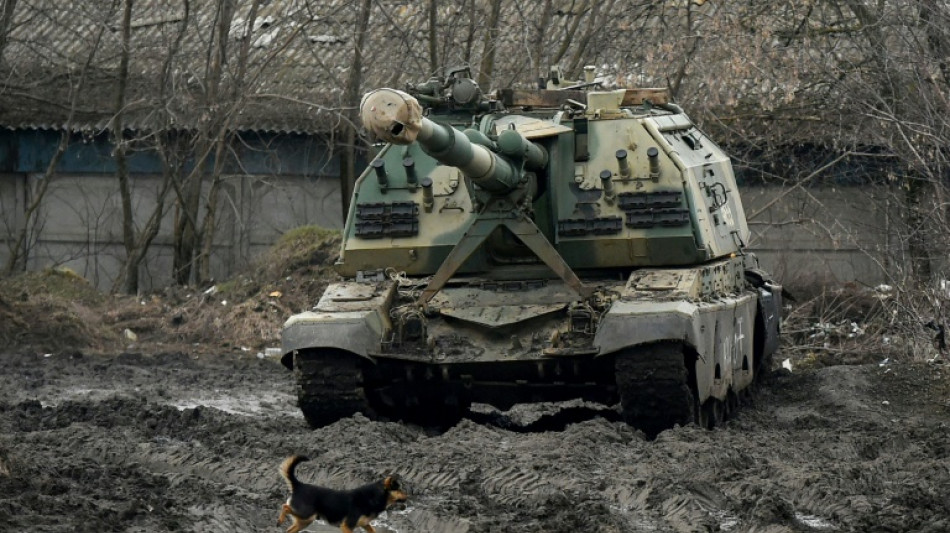
Having failed to make a decisive advance in the early phase of its Ukraine campaign, the Russian army is now facing a thaw that could make progression on key routes problematic due to mud.
Like the armies of Napoleon and Hitler before them, Russian mechanised divisions are likely to be slowed down or halted as unpaved roads become treacherous quagmires.
Locals have a word for the twice-yearly season of mudbound roads in the region: Rasputitsa, a term that refers to both to the seasons themselves, and the resulting muddy conditions on the roads created by thawing snow in the spring combined with wet weather, or heavy rains in the autumn.
As President Vladimir Putin massed his army at the Ukrainian border, many Western experts expected him to abstain from marching in as the weeks passed, because time was running out before the great thaw.
"Early spring is a bad time to invade Ukraine if the main roads have been destroyed, a task well within Ukraine's irregular warfare toolkit," wrote Spencer Meredith, a professor at the US National Defence University, in an article published a week before Putin gave the order for the invasion.
While some experts may have misread Putin's intentions, their assessment of weather conditions has been spot-on, as pictures of Russian tanks stuck in the mud have begun to appear frequently on social media.
"There were already numerous episodes when Russian tanks and other equipment drove into the fields and got stuck. So the soldiers had to leave the equipment and go on foot," said Mykola Beleskov, an Ukrainian military analyst.
He added: "The situation will worsen as the weather warms up and the rains start, it'll just chain them to the ground."
- 'Not in Putin's favour' -
Military historians have always known that Rasputitsa -- sometimes called "General Mud" -- can thwart even the mightiest armies.
In 1812, the retreat by French emperor Napoleon's troops could not be completed in time before the harsh winter because it was severely slowed down by mud.
More than a century later, the heavy Ukrainian soil got in the way of Hitler's march on Moscow, and later of Russia's counter-offensive of 1943.
"The weather is not in Putin's favour," tweeted military historian Cedric Mas at the weekend.
Like during those historic campaigns, the Rasputitsa is expected by the second half of March and to last for three to four weeks.
Worsening conditions will leave Russian generals little choice but to order tanks and armoured vehicles to stick to the main roads, making them more vulnerable to attack, according to Michel Goya, a military historian.
That Putin launched the offensive regardless of those dangers could support the analysis by several Western experts that the Russian president underestimated Ukraine's resistance, and overestimated his own army's capacities.
Either way, the mud is fast turning into one of Ukraine's major assets as it fights the Russian invasion, along with Western supplies of anti-tank Javelin missiles, ground-to-air Stinger missiles and Ukraine's own astute use of social media, according to Jason Lyle, a professor in government at Dartmouth College in the US.
"The Four Horsemen of the Ukrainian Army: Javelin, Stinger, Rasputitsa, TikTok," Lyle tweeted.
M.O.Allen--AT