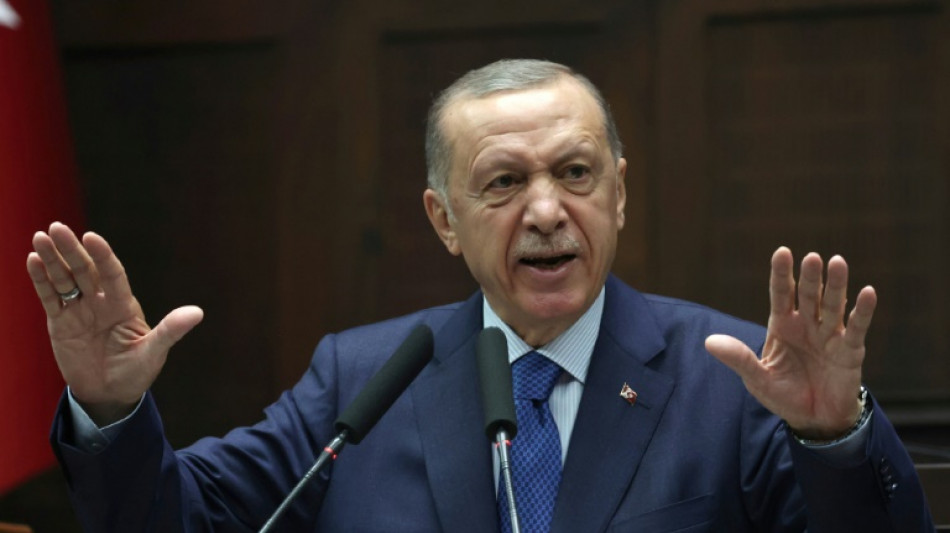
Turkey nearly doubles interest rate in Erdogan policy U-turn / Photo: Adem ALTAN - AFP

 German exports rise despite Iran war headwinds
 Thousands attend funeral for Afghan cricketer Shapoor Zadran
 Crude pares steep gains as traders take stock after US-Iran flare-up
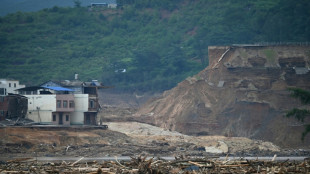
 Cleanup underway as death toll from China floods hits 39

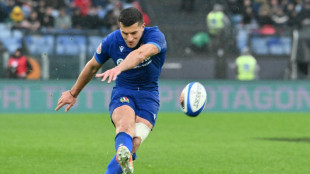 Italy recall Allan, Lynagh for All Blacks Nations Championship Test
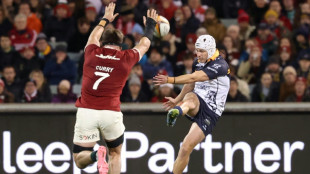 Rookie fly-half Meredith thrown in for Wallabies debut against France
 Taiwan warns of 'destructive' winds as typhoon nears

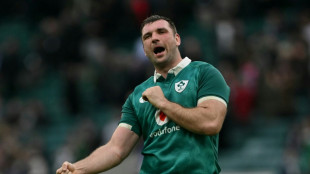 Farrell rings changes for Ireland's Japan clash
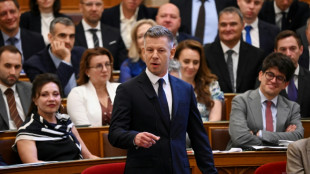 Magyar's blitz against Orban's Hungary 'mafia' gathers pace
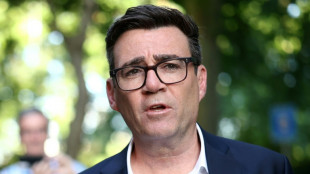 Labour leadership contest takes Burnham closer to UK PM's office
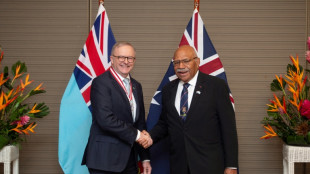 New Zealand may join Australia-Fiji defence pact: PM Luxon
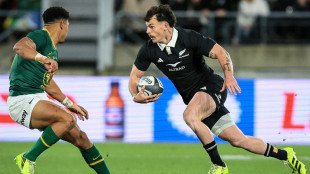
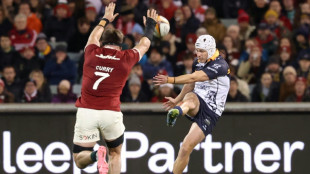 Fly-half Meredith to make Australia debut against France

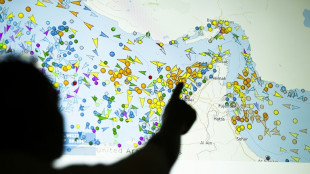 US, Iran trade new strikes in fight over Hormuz strait

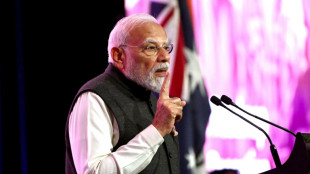 Modi eyes 'historic' chance to secure Australian uranium
 US crackdown on top AI fuels open-source surge
 EU moves closer to kicking kids off social media
 Protecting the protectors: racing to save Philippine mangroves
 Expanded World Cup; same old story as Europe dominates quarter-finals
 Acumen Pharmaceuticals and Unlearn Collaborate to Explore Analyses of Alzheimer's Disease Clinical Programs
 GMV Minerals Announces Completion of 16 Diamond Drill Holes on the Mexican Hat Gold Project in SE Arizona - Drill Assays Pending with ~1500 Samples Submitted to Date

 PlatformPay.io and DayOne Announce Partnership to Enhance DTC E-Commerce Merchant Revenue

 Caledonia Mining Corporation Plc: Notification of Relevant Change to Significant Shareholder

 Morocco's Saibari out of France World Cup quarter-final
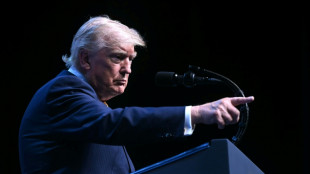 Trump orders new strikes on Iran over attacks on shipping in Hormuz

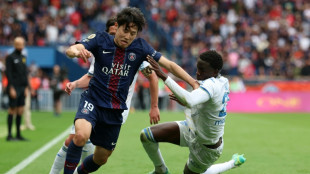 PSG's Lee set to join Atletico Madrid
Turkey's central bank on Thursday reversed years of unconventional economics promoted by President Recep Tayyip Erdogan and nearly doubled its key interest rate to fight inflation and steady the troubled lira.
The bank hiked the rate to 15 percent from 8.5 percent in its first meeting since Erdogan filled his government with investor-friendly faces after winning tight May polls.
It added that this was only the start of a process aimed at bringing Turkey's annual inflation rate of nearly 40 percent to single figures "as soon as possible".
"Monetary tightening will be further strengthened as much as needed in a timely and gradual manner until a significant improvement in the inflation outlook is achieved," the central bank said.
Fitch Ratings said it expected the benchmark rate to reach 25 percent by the end of the year.
But the lira still lost four percent of its value against the dollar due to investor disappointment that the bank had decided to pursue a more gradual rate-hiking course.
"Not enough. They needed to front load hike," BlueBay Asset Management economist Timothy Ash remarked.
"Further hikes are needed at the coming meetings to tackle Turkey's inflation problem," Capital Economics analyst Liam Peach added.
- Economic overhaul -
Other analysts said new central bank chief Hafize Gaye Erkan wanted to avoid suffering the fate of past governors whom Erdogan had fired for quickly raising rates.
Erdogan still defends his markets-defying idea that high interest rates contribute to -- rather than cure -- rising consumer prices that have been Turkey's bane for the past five years.
The Turkish leader pushed the central bank to start slashing interest rates two years ago as part of a "new economic model" that focuses on job creation and economic growth.
The policy badly backfired.
The annual inflation rate reached 85 percent late last year and the central bank burned through most of its reserves trying to prop up the lira -- down 90 percent against the dollar over 10 years -- from even bigger falls.
Erdogan was forced into his first election runoff and then orchestrated one of his trademark policy reversals after extending his two-decade rule until 2028.
He appointed respected economist Mehmet Simsek as finance minister and former Goldman Sachs director Erkan as the head of the nominally independent central bank.
Turkish media said Simsek agreed to join the government only after winning assurances that he would be free to steady the ship as he saw fit.
- 'Clash with Erdogan' -
Simsek's presence has already made an impact.
The lira has lost an additional 18 percent against the dollar since the May 28 election runoff -- a sign that the central bank is slowly unwinding its costly currency defence.
Simsek said on Thursday that a return to a "free exchange regime... will provide a very serious flow capital to Turkey".
"This will make financing investments and production much easier, and will ensure that the Turkish lira regains stability and becomes a reliable currency," Simsek said in a tweet.
But investors who initially cheered Erdogan's new appointments now worry about how long the Turkish leader's patience with his new team will last.
Many point to the grim experience of Naci Agbal -- a market-friendly central banker whom Erdogan fired four months into his attempts to raise rates in late 2020 and early 2021.
"The scale of the rate hike was lower than the average market expectation of an increase to between 17-20 percent," Verisk Maplecroft risk consultancy analyst Hamish Kinnear said.
"This is a sign that the new governor is looking to tread carefully to avoid a clash with President Erdogan."
One of Turkey's most costly programmes involves a bank deposit protection scheme that Erdogan rolled out in late 2021.
It commits the government to cover any losses lira deposits incur from the currency's depreciation against the dollar.
That means that a quick return to a free-floating exchange rate could put an even bigger burden on the strained budget.
Many expect Simsek to gradually phase out the scheme.
M.Robinson--AT