Iran, UN nuclear watchdog agree way forward but Russia may delay deal

 Lufthansa wins contest for TAP Air Portugal stake
 AI worms, 'major' incident fears spur safety calls at industry summit
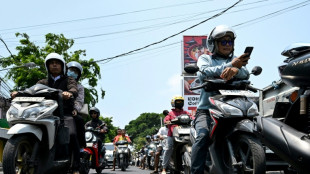
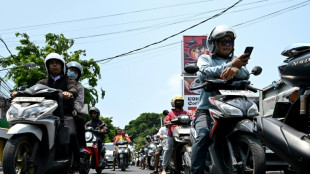 Fuel shortage triggers queues on Indonesia's Bali island
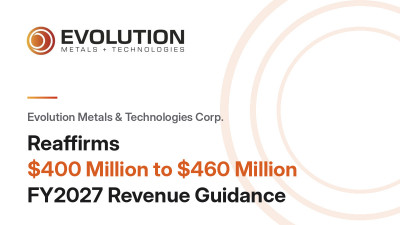 Evolution Metals & Technologies Corp. Reaffirms $400 Million to $460 Million FY2027 Revenue Guidance, Unveils Eight Sintered Magnet Grades Covering an Estimated 75% of Global NdFeB Revenue, and Moves to Answer U.S. Army Call for Rare Earth Magnets
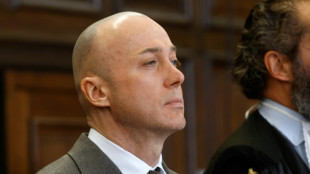 Trial defence says Russia used Nord Stream pipelines as 'weapon'
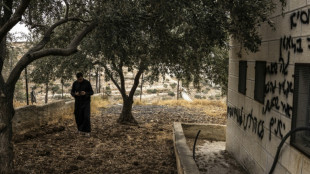 Israeli settlers set fire to mosque in occupied West Bank
 Macron says French student protesters 'exploited' by political forces: spokeswoman
 Stocks diverge ahead of key US inflation data
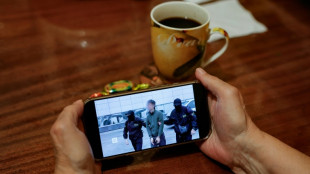 Japan summons Russian ambassador to protest journalist's arrest

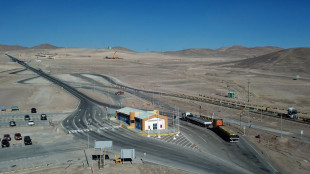 Workers to strike at world's largest copper mine in Chile
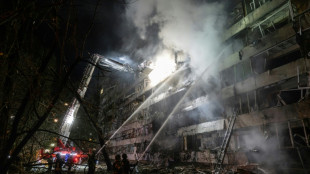 Ukraine accuses US of helping Russia as missiles hit Kyiv
 Drone hits data centre of Russia's largest bank
 Bivial AG Brings Its Complete Dashboard to Mobile
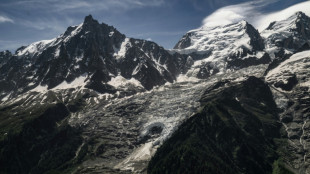 Mont Blanc nearly two metres taller than in 2023: French surveyors
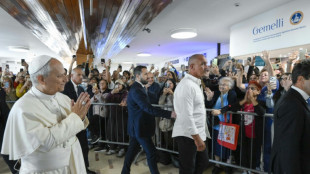 Pope recovering after lung cancer operation that rattles Church
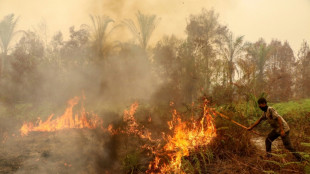 Indonesia haze spikes Singapore pollution, shuts East Timor schools
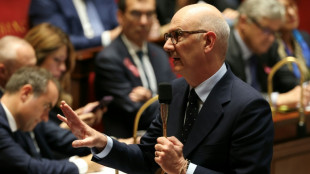 Higher borrowing costs an 'alarm signal' for France: finance minister
 Zelensky accuses Putin of disrespecting Trump after latest attacks
 Japan PM says housework makes her busier than male predecessors
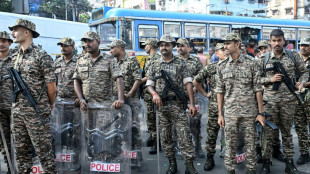 Top Indian 'cockroach' leaders sent to jail after protest
 Ukraine ex-military officer to stand trial over Nord Stream sabotage
 IMF chief says Saudi attacks could have negative spillover 'everywhere'
 Premier League move a Sage decision for new Palace boss
 South Korean FA condemns 'personal attacks' as rift rumours grow
 Japan urges 'impartial treatment' of journalist arrested in Russia
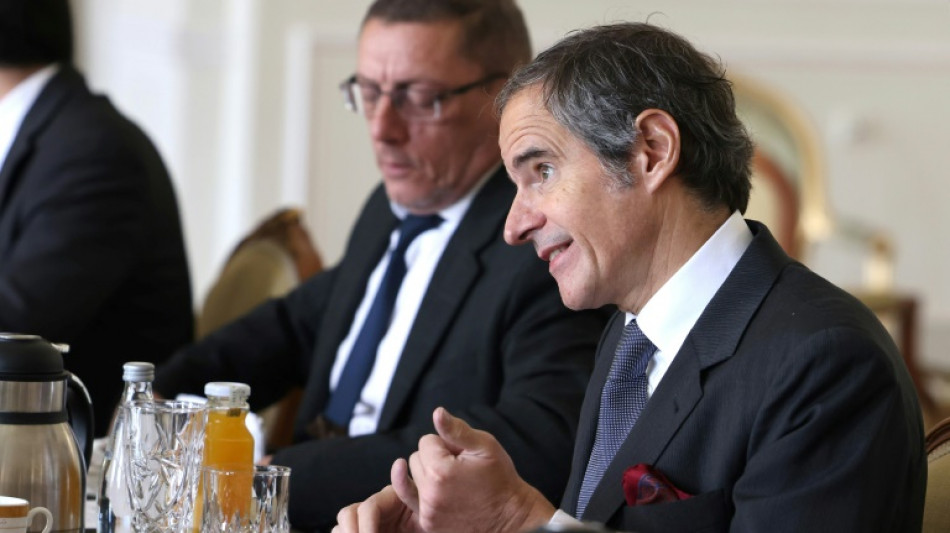
Iran and the UN nuclear watchdog said Saturday they had agreed an approach for resolving issues crucial to reviving the country's 2015 nuclear accord with world powers -- but new Russian demands may delay a deal.
The announcement came shortly before Russia said it would seek guarantees from the United States before it backs the deal, potentially scuppering hopes an agreement could be wrapped up quickly.
International Atomic Energy Agency (IAEA) chief Rafael Grossi said the UN agency and Iran "did have a number of important matters that we needed... to resolve", but that they had now "decided to try a practical, pragmatic approach" to overcome them.
Atomic Energy Organization of Iran president Mohammed Eslami said the two sides had come to the "conclusion that some documents which need to be exchanged between the IAEA and the Iranian organisation should be exchanged" by May 22.
However, addressing reporters on his return to Vienna, Grossi said that he didn't "have a crystal ball" to predict how the process would end.
The aim is to settle outstanding questions that the IAEA has about the past presence of nuclear material at undeclared sites in Iran.
Grossi stressed that there was "no artificial deadline, no pre-defined outcome".
"If Iran does not cooperate... I will not cease to put questions and continue the process," he added.
Tehran has said that the closure of the matter is a pre-requisite for a deal to revive the 2015 nuclear accord with world powers, also known as the Joint Comprehensive Plan of Action (JCPOA).
- Russian role -
Grossi's visit to Tehran came a day after Britain, one of the parties to parallel talks on the deal in Vienna, indicated an agreement was close.
But Russia's Foreign Minister Sergei Lavrov said on Saturday that Moscow, itself slapped with sanctions over its invasion of Ukraine, would seek guarantees from Washington before backing the nuclear deal.
Lavrov said Russia had requested that the US give it written guarantees that Ukraine-related sanctions "will not in any way harm our rights to free, fully-fledged trade and economic and investment cooperation, military-technical cooperation with Iran".
Russia is party to the ongoing talks in the Austrian capital to restore the agreement along with Britain, China, France and Germany. The United States is participating indirectly.
As with the original JCPOA in 2015, Moscow is expected to play a role in the implementation of any fresh deal with Iran, for example by receiving shipments of enriched uranium from Iran.
The 2015 nuclear deal has been hanging by a thread since then US president Donald Trump pulled out in 2018 and reimposed sweeping sanctions, including on Iran's vital oil and gas exports.
The landmark accord was aimed at guaranteeing Tehran could not develop a nuclear weapon -- something it has always denied wanting to do.
Iran said this week that it was ready to raise its crude exports to pre-sanctions levels within one to two months of a deal being signed.
- 'Difficult issues' -
Iranian international relations analyst Fayaz Zahed said the government needed to be very careful that Moscow did not scupper a deal in defence of its own interests.
"Now that Russia is under sanctions, it is perhaps no longer interested in resolving the Iran nuclear issue, a position that could be very damaging," he said.
The coming days are seen as pivotal by the West because of the rate at which Iran is making nuclear advances.
Its stockpile of enriched uranium has now reached more than 15 times the limit set out in the 2015 accord, the IAEA said this week.
Several observers have suggested the West could leave the negotiating table and chalk the deal up to a failure if a compromise is not reached in the coming days.
On Thursday, US State Department deputy spokeswoman Jalina Porter said negotiators were "close to a possible deal", but that "a number of difficult issues" remained unresolved.
However, "if Iran shows seriousness, we can and should reach an understanding of mutual return to full implementation of the JCPOA within days", she said.
A.Clark--AT