Sudan war locks depositors out of savings / Photo: - - AFP

 'He's here with me': Japan cycle queen dedicates gold to late brother
 Japan Olympic chief says 'lot more' athletes at Games than expected
 Asian carmakers besting US rivals at home, China poised to strike
 Widgets & Web Offers All-Inclusive Investor Relations Websites for Public Companies, IPOs and SPACs

 Adams named new US captain to 2030 World Cup
 China a better influence in Latin America than US: poll
 Judge pauses construction of border project in Texas national park

 Belgium's De Bruyne fires double to sink Turkey, France held by Italy
 US jobs data boosts stocks as oil prices dip

 US Supreme Court to hear high-stakes climate case
 Trump expected to name intel chief Clayton as AI czar: reports
 Argentina unveils passports-for-investment scheme

 Brazil election debate chaos sparks censorship row
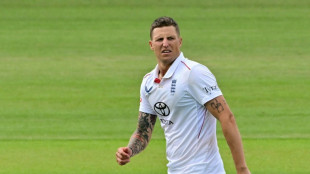 England's Carse charged by cricket body over nightclub incident

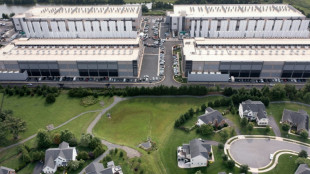 Amazon vows $1 bn for data center towns, decries 'myths'
 Oil prices drop on G7 fuel release, US jobs data boosts stocks

 G7 agrees deal to ease global energy supply concerns
 Spain's government dealt blow as lawmakers reject housing bills
 Food, medicine shortages deepen in Russian-occupied Oleshky
 Man City whistleblower Rui Pinto facing 'dire consequences' - lawyers
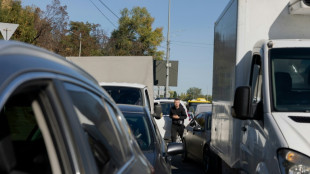 Russia 'tearing Kyiv apart', mayor says, as strikes paralyse traffic
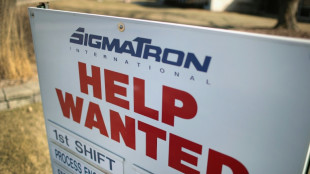
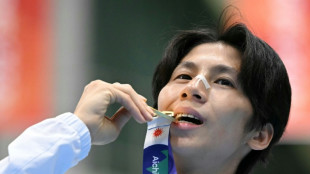 Taiwan boxer Lin wins Games gold as Japan edge North Korea on penalties

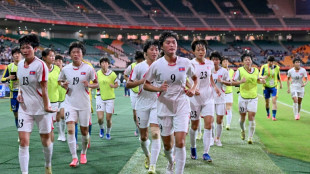 Japan tame North Korea to win Games gold after shootout drama
 US posts weak job growth data in September
 Ethiopia's conflict: the regional dimension
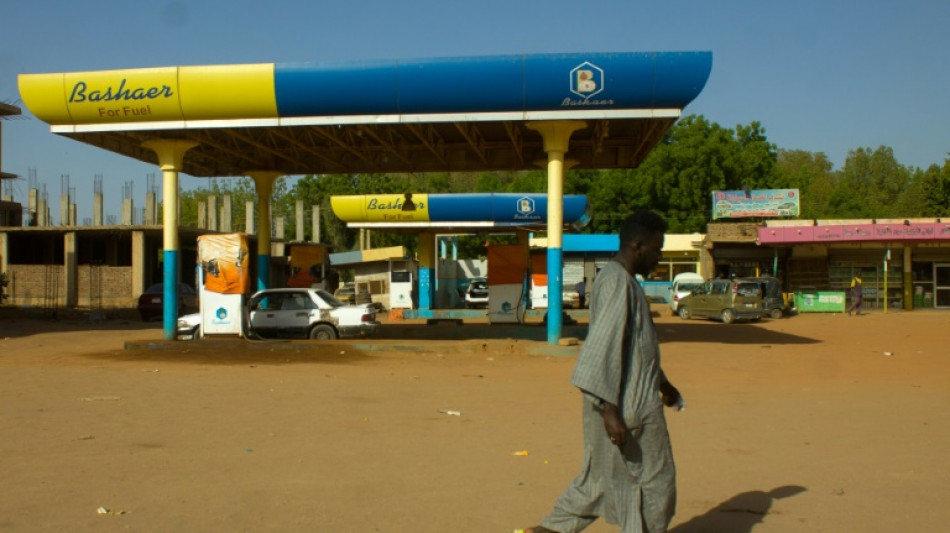
On a scorching sidewalk, Ibrahim Said hopes to withdraw his savings from a Sudanese bank, but the wait seems as unending as the war that has brought the country's financial system to a standstill.
Said is one of dozens of depositors who have queued at a branch of the Bank of Khartoum in Madani, a city about 160 kilometres (100 miles) southeast of the capital, to recover their savings.
"I have been here since seven in the morning hoping to withdraw money from my account," he told AFP.
One of half a million people who fled Khartoum for safer cities, Said escaped with what little cash he happened to have in the house when the capital was rocked on April 15 by air strikes and shelling that have not stopped since.
Now, he is locked out of his savings as the fighting between the army under General Abdel Fattah al-Burhan and his deputy-turned-foe Mohamed Hamdan Daglo's paramilitary Rapid Support Forces (RSF) shows no signs of abating.
Ishraq al-Rih has been coming to the same bank branch for three days, and on each occasion it has been the same.
"At around 3:00 pm, they open the doors, let in a very small number of people, and if you're not one of the lucky ones you have to come back the next day," she said.
Every passing day brings more anxiety, as families ration their cash to make ends meet, terrified of what footage shared online of looted banks and empty safes means for their savings.
- Locked out -
"We don't know what to do. We have money in the bank but we can't touch it," Ahmed Abdelaziz told AFP, standing outside the closed gate of Omdurman National Bank.
The 45-year-old civil servant thought he was safe in Madani, where tens of thousands of people have settled but cannot escape the impact of the battles that rage in the capital.
"The servers that control every bank's operations are all in Khartoum, and employees can't get to them because of the fighting," said Mohamed Abdelaziz, who works in the banking sector.
Even in states untouched by the violence, "branches have lost contact with the headquarters that used to validate operations," leaving managers unable to replenish reserves and allow withdrawals, he said.
In a move questioned by observers considering the entire sector is at a standstill, army chief Burhan declared a freeze on RSF assets this week and dismissed the central bank governor.
"Bank-to-bank payments have been completely cut; we can't transfer any money between accounts," said an employee of Sudanese French Bank who spoke on condition of anonymity.
Sudan was brought to its knees by two decades of international sanctions against former dictator Omar al-Bashir, as well as rampant corruption and the 2011 independence of South Sudan which held almost all the country's oil.
Even after Bashir was toppled in 2019 and the sanctions were lifted, the International Monetary Fund said Sudan remained on an international donors' list of "heavily indebted poor countries" and characterised its banking sector as "fragile, with several banks undercapitalised".
- Emptied out safes -
Sudan's fledgling banking sector -- which does not accommodate credit card payments or international transfers between individuals -- had $11.2 billion in assets at the end of 2019, according to the IMF.
It is unclear how much of that is left, however, as the country had already experienced years of economic woes, including a free-falling currency, before fighters began smashing their way into banks and emptying safes.
From the first week of the war, the army accused the RSF of breaking into a subsidiary of the central bank in Khartoum and stealing "huge sums of money".
The country's banking federation has repeatedly moved to assure clients that their assets and financial records are intact and has vowed to "restore banking services as soon as conditions permit".
Despite promises of ceasefires and the restoration of services to increasingly desperate civilians, conditions have remained unchanged for over a month.
For the time being, depositors like Said, Rih and Abdelaziz are being forced to use whatever means they have to get staples such as flour, which has doubled in price, or petrol -- now 20 times what it cost before the conflict.
F.Ramirez--AT