French Polynesia nuke tests slightly increased cancer risk: study / Photo: - - AFP/File

 Trump expected to name intel chief Clayton as AI czar: reports
 Argentina unveils passports-for-investment scheme

 Brazil election debate chaos sparks censorship row
 England's Carse charged by cricket body over nightclub incident

 Amazon vows $1 bn for data center towns, decries 'myths'
 Oil prices drop on G7 fuel release, US jobs data boosts stocks

 G7 agrees deal to ease global energy supply concerns

 Spain's government dealt blow as lawmakers reject housing bills
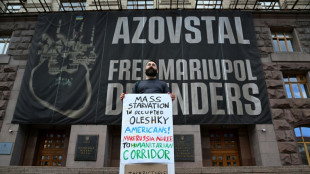 Food, medicine shortages deepen in Russian-occupied Oleshky

 Man City whistleblower Rui Pinto facing 'dire consequences' - lawyers
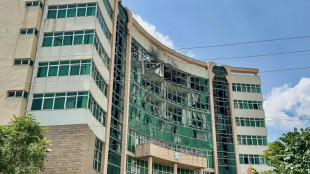
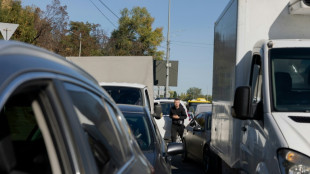 Russia 'tearing Kyiv apart', mayor says, as strikes paralyse traffic
 Taiwan boxer Lin wins Games gold as Japan edge North Korea on penalties

 Japan tame North Korea to win Games gold after shootout drama

 US posts weak job growth data in September
 Ethiopia's conflict: the regional dimension

 Life expectancy almost back to pre-Covid levels, says WHO

 Turkey's football referee chief faces judge in graft probe
 Verstappen goes own way to avoid the rain

 Oil slides, bonds steady as EU addresses diesel price surge

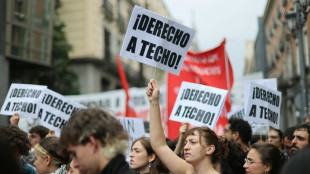 Spain housing package at risk in parliament, as protests mount

 Swedish Social Democrats leader to make new bid to form government
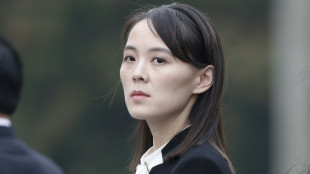 North Korea calls Seoul 'despicable' after DMZ apology demand
 Taiwan boxer Lin wins gold as virtual taekwondo makes Games debut

 Man City face appeal deadline after explosive financial verdict
 Pole vault superstar Duplantis to skip indoor season

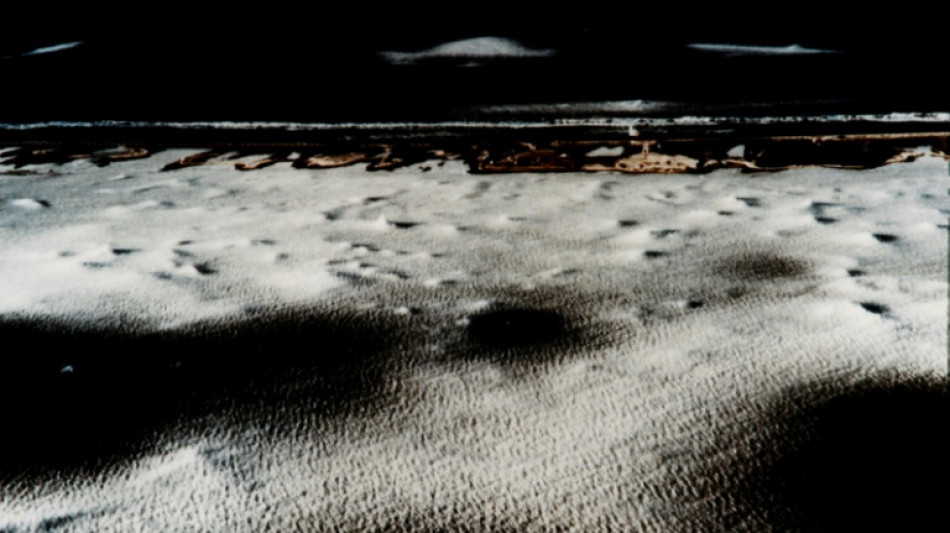
Polynesians exposed to fallout from France's nuclear tests in the South Pacific have a slightly increased risk of developing thyroid cancer, a study suggested on Monday that used declassified military data for the first time.
France carried out 41 atmospheric nuclear weapon tests in French Polynesia between 1966 and 1975, exposing residents to fallout which has been a source of lasting friction between Paris and residents of the Pacific archipelago.
The study, published in the journal JAMA Network Open, used risk modelling to estimate that the nuclear tests were associated with between 0.6 percent and 7.7 percent of thyroid cancers in French Polynesia.
"This is the proportion of thyroid cancer attributable to the tests among all the cases of thyroid cancer that have or will develop in the people present at the time of the tests, in all islands combined," the study's lead author Florent de Vathaire told AFP.
The impact of the nuclear tests was "weak but not at all non-existent," said de Vathaire, a radiation expert at France's INSERM medical research institute.
The study compared 395 people who were diagnosed with thyroid cancer between 1984 and 2016 in French Polynesia with a control group of 555 from the general population.
It was an update from previous research the same team had published in 2010.
"This is the first study that uses confidential army reports declassified in 2013," de Vathaire said.
Using the documents, meteorological data and interviews with the cancer patients, the researchers simulated the radioactive cloud produced by each nuclear test, and estimated the dose of radiation received in the thyroid of each participant.
The average radiation dose for each person was nearly five milligrays, a standard unit of radiation absorption.
The scientists found "no significant association" between the radiation dose and the risk of thyroid cancer, INSERM said in a statement.
But the link was considered significant if the analysis only included invasive cancer requiring treatment.
France moved its nuclear tests underground in 1975, but continued conducting blasts in the Pacific until 1996. Over three decades, France carried out almost 200 tests.
During a visit to the capital Papeete in 2021, French President Emmanuel Macron acknowledged that France owes a "debt" to Polynesians for the nuclear tests, calling for confidential military information to be made public.
W.Morales--AT