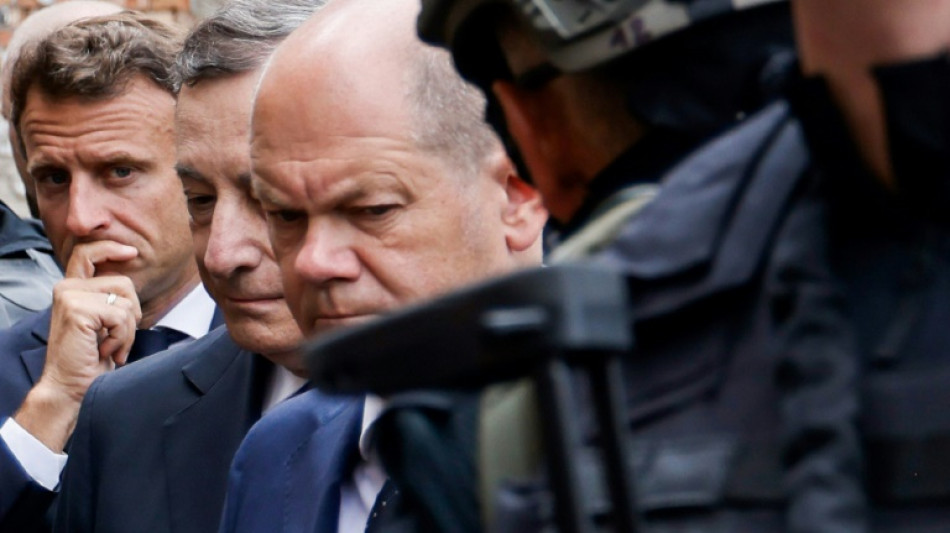
France-Germany tensions overshadow EU leaders' summit / Photo: Ludovic MARIN - POOL/AFP/File

 Trump denies offering to sell arms to China's Xi
 Wemby ready for NBA Spurs to move rivals in climb to top

 Ukraine to postpone some spending amid delays in aid: PM
 Tuchel says Czech Republic game 'not yet a must-win'
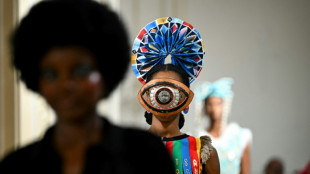 MaXhosa puts South Africa on the Paris fashion map
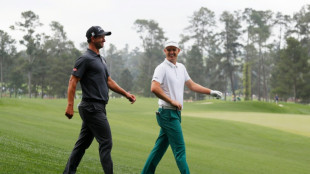 Rose, Scott among 2027 World Golf Hall of Fame finalists
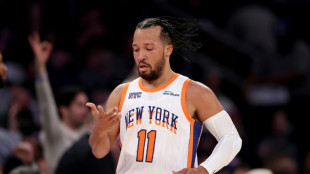 Brunson says NBA champion Knicks can't get satisfaction
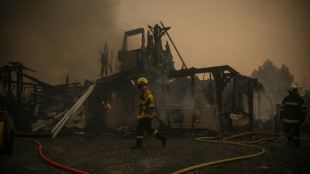 France puts out largest wildfire since 1949
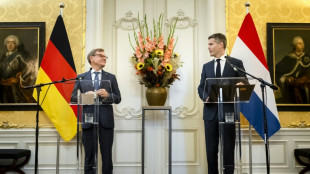
 Real Madrid's Perez summoned over Barcelona referee payments comments
 Oil takes off again, Wall Street dips after Trump rejects Iran truce offer
 AlgoQuant Asset Management Selects Liquid Mercury to Enhance Digital Asset Trading Infrastructure
 UK to reopen refugee resettlement scheme to push 'safe' migration
 Pope urges Europe to help combat 'lies and deceit' in world affairs
 Iranian lawyer Nasrin Sotoudeh wins Council of Europe's rights prize
 French far-right's Bardella denies alleged 2013 antisemitic comments
 Oil up, Wall Street dips after Trump rejects Iran truce offer
 Gakpo withdraws from Netherlands squad

 SpaceX puts Starship megarocket in orbit for first time
 Iran denies link to suspected bomb plot at UK airbase used by US
 Ex-boss Mancini says City charges 'not my concern'
 Berlin Marathon winner Assefa finished race with torn Achilles
 Comedian convicted for Erdogan 'insult' but freed pending appeal
 French prosecutors seek two-year sentence for ex-minister Dati in graft case
 Eala makes fast start as weather and transport woes hit Asian Games
 Hurricane Polo approaches Mexico, threatens severe damage
A burgeoning row between France and Germany fired by differences over nuclear energy and combustion engines threatened to spill over into a gathering of the 27 European Union leaders Thursday.
Existing strains between the European Union's two biggest players after Berlin upset some of its partners by blocking -- at the last minute -- a landmark deal to prohibit new sales of fossil fuel cars from 2035.
The ban is key to Brussels' ambitious plan to become a "climate neutral" economy by 2050, with net-zero greenhouse gas emissions.
In an unprecedented action this month, Germany intervened after the car ban had already been approved under the EU legislative process. It demanded that Brussels provide assurances the law would allow the sales of new cars with combustion engines that run on synthetic fuels.
While the last-minute block frustrated many EU capitals, Paris had in turn already irked Berlin by insisting on giving nuclear energy a starring role in European plans to produce more green technology in Europe.
Paris and Berlin have traditionally worked together to push forward the EU agenda.
But the split hangs over the summit as the leaders meet to discuss EU support for Ukraine and how to boost economic competitiveness in the face of threats from US and Chinese subsidies.
The European Commission, the EU's executive arm, has been holding talks with Germany's transport ministry to resolve the dispute over cars.
German Chancellor Olaf Scholz told reporters before the summit that Germany's talks with the commission were "on the right track".
"It is now really only a matter of finding the right way to implement this promise," Scholz said.
- Domestic affair reaches EU -
While no agreement has yet been reached, Dutch Prime Minister Mark Rutte said he hoped the issue would be resolved "over the coming days".
Some leaders criticised Germany's 11th-hour move to slam the brakes on a proposal that had already cleared all the hurdles in the traditional EU legislative process.
"The entire architecture of decision-making would fall apart if we all did that," Latvian Prime Minister Arturs Krisjanis Kariņs said.
Germany, which boasts one of the world's biggest car manufacturing industries, blocked the deal signed last year in a move viewed as a product of domestic politics.
Scholz heads a coalition made up of his social democrats and rival Greens and liberals.
"It is above all a German affair and an internal debate in German politics that has reached Europe," a senior EU diplomat complained.
The synthetic fuels Germany wants an exemption for are still under development, produced using low-carbon electricity. The technology is unproven, but German manufacturers hope it will lead to the extended use of combustion engines.
While Germany led the revolt against the combustion engine ban, it is not alone. It has formed a small alliance with countries including Italy, another major car manufacturer, and eastern European states such as Poland and Hungary.
France has not held back from singling out Germany for criticism.
Earlier this month, French Transport Minister Clement Beaune accused his German counterpart of leading "a revolt" against the ban on new petrol- or diesel-engine cars.
- 'Scam' nuclear -
Against this tense backdrop, French President Emmanuel Macron will meet Scholz one-on-one on Friday.
Another bone of contention they will have to thrash out is France's push for EU recognition that nuclear power has a role to play in Europe's green future.
Nuclear divides the EU, with countries like Austria and Luxembourg strongly against while its supporters include the Czech Republic and Poland.
"It's not safe, it's not fast, it's not cheap and it's not climate-friendly. With European flags on it, it would be a scam," Luxembourg's Prime Minister Xavier Bettel said, as he arrived.
On March 16, the European Commission launched new plans to boost clean technology production by ensuring permits are given out faster and projects given better access to funding.
Nuclear-powered France wanted atomic energy to be included in the list but failed to achieve that goal.
Nuclear did, however, feature in the proposals announced -- but it applies only to fourth-generation reactors that do not yet exist, meaning atomic energy would obtain little of the advantages on offer.
Macron will "focus on the role of nuclear in decarbonisation" during the leaders' meeting, a French government source said.
Another senior EU diplomat was less optimistic about what the summit would achieve, given the distance between the capitals.
"We don't expect a spectacular breakthrough on any specific issue," the diplomat said.
R.Chavez--AT