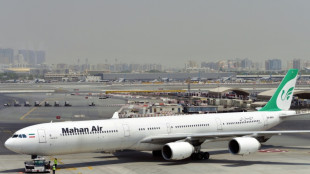
Syria's Assad may consider more border crossings for quake aid: WHO / Photo: - - SANA/AFP

 Russell on top in Baku practice after problems for Antonelli, Norris

 Japan teen smashes swim world record as Asian Games complaints mount
 Taliban govt says Pakistan strikes kill 4 civilians in Afghanistan

 Berlin confirms withdrawal from race to host summer Olympics
 Japan teenager Ohashi smashes 200m breaststroke world record
 एलेक्स बोडी और प्रो. डॉ. स्टीफन हॉप्ट रोमानिया में एक पौराणिक कला संग्रह पर सहयोग करने के लिए सहमत हुए
 Alex Bodi ve Prof. Dr. Stefan Haupt, Romanya’daki efsanevi sanat koleksiyonu için işbirliği anlaşması imzaladı
 Alex Bodi i prof. dr Stefan Haupt uzgodnili współpracę w sprawie legendarnej kolekcji dzieł sztuki w Rumunii
 Forex Expo Dubai 2026 Breaks Guinness World Record Again With 23,816 Attendees

 Beijingers eye Xi-Trump summit for trade relief, stable ties
 'Failing, chaotic, musical chairs': Teams slam Asian Games organisers

 Trump to fete Xi with lavish White House welcome

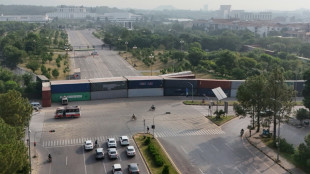 Pakistan deploys thousands of security forces ahead of planned protest

 Sao Tome voters want to stop exodus of 'neglected' youth
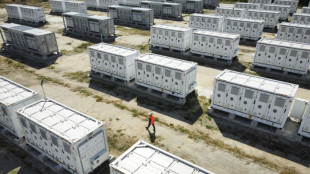 Bulgaria's battery boom pays off as drought hits power plants

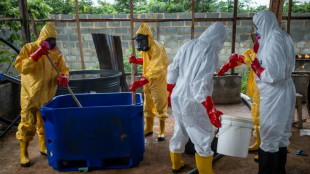 Mexican cartels target Australia with their African meth

 Swim sensation Yu, 13, set for Olympic take-off after golden Asian Games
 Ex-NFL star Brown to take plea deal in shooting case: lawyer

 Malaysia's migrant return plan chills Myanmar Rohingya
 Pakistan confirms Afghan strikes after resident says Kandahar hit

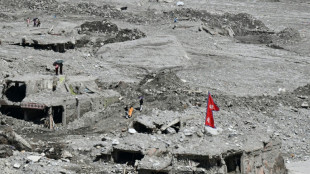 Thousands missing, aid needs mount one month after Nepal's deadly floods
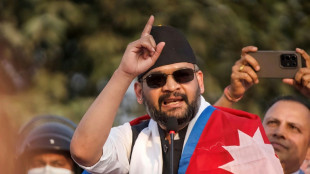
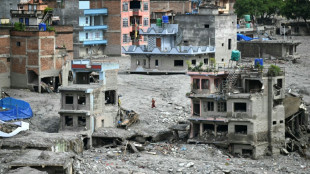 Nepal flood victims look to PM Shah to press climate case at UN

 Trump admin says there were 8 suicide attempts on US aircraft carrier

 Iranian satire 'Head to Head' draws a veil over the men
 Archaeological 'breakthrough' could confirm origins of Paris
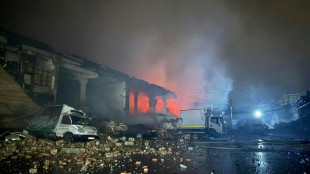
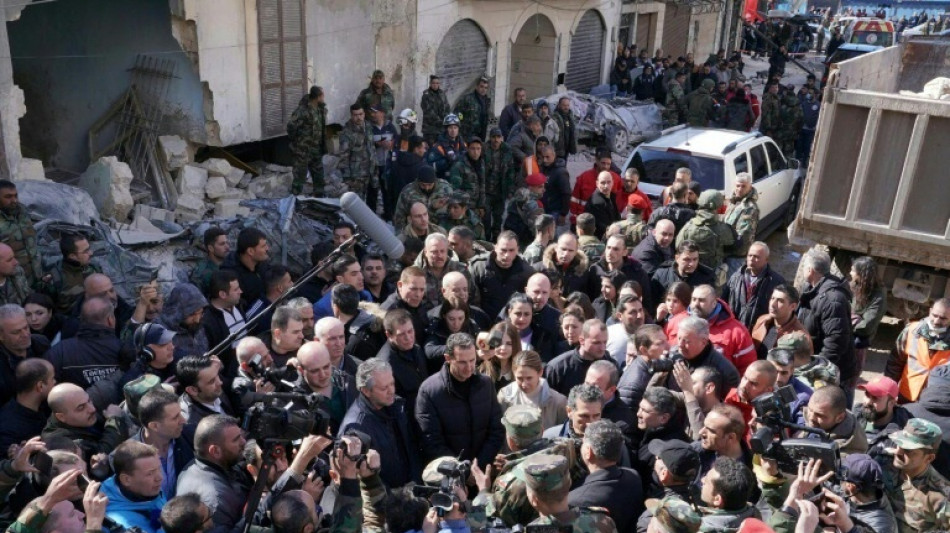
The WHO chief said Sunday that Syria's President Bashar al-Assad had voiced openness to more border crossings for aid to be brought to quake victims in the country's rebel-held northwest.
World Health Organization chief Tedros Adhanom Ghebreyesus met with the Syrian president in Damascus on Sunday afternoon to discuss the response to the devastating earthquake which has killed more than 33,000 people across Syria and Turkey.
Concerns have been running particularly high for how aid might reach all those in need in Syria, which has been devastated by more than a decade of civil war.
"The compounding crises of conflict, Covid, cholera, economic decline and now the earthquake have taken an unbearable toll," Tedros said after visiting Aleppo and witnessing the devastation first hand.
He said he was "waiting to move across lines to the northwest, where we've been told the impact is even worse".
The situation is particularly dire in the rebel-held area in the northwest, which cannot receive aid convoys from government-held parts of the country without Damascus's authorisation.
The single border crossing open to shuttle aid from Turkey also saw its operations disrupted by the quake.
Some pre-positioned aid has been delivered, and convoys began rolling through the border crossing again on Thursday, but there have been mounting calls to open more crossings to speed up the aid delivery.
"This afternoon I met with His Excellency President Assad, who indicated he was open to considering additional cross-border access points for this emergency," Tedros told a virtual press conference from the Syrian capital.
- 'Massive access' needed -
Humanitarian aid in rebel-held areas usually arrives through Turkey via a cross-border mechanism created in 2014 by a UN Security Council resolution.
But it has long been contested by Damascus and its ally Moscow, who see it as a violation of Syrian sovereignty.
Under pressure from Russia and China, the number of crossing points has been reduced over time from four to one.
Equally vital for Syria's quake-hit northwest is speeding up aid from within the country.
Tedros hailed the "recent blanket approval by the government of Syria for the UN for cross-line conveys" to bring aid into the rebel-held northwest.
But while Damascus had given the all-clear for cross-line aid convoys to go ahead from government-held areas, Tedros said the WHO was still waiting for the green light from the rebel-held areas before going in.
"We're on standby" he said.
Richard Brennan, WHO's director for the Eastern Mediterranean region, told reporters that there had been "no cross-line deliveries since the earthquake struck".
"We did have one scheduled in the next couple of days. We are still negotiating for that to go ahead."
Before the quake, the UN typically had permission to bring in one aid convoy per month, he said, adding that even before the disaster, they had been trying to increase that to three or four.
"Now of course there's a greater sense of urgency," he said, suggesting that far more convoys were needed.
"What we need is massive access," agreed WHO's emergencies chief Michael Ryan.
"We need cross-lines access, we need cross-border access, and that needs to increase."
N.Mitchell--AT