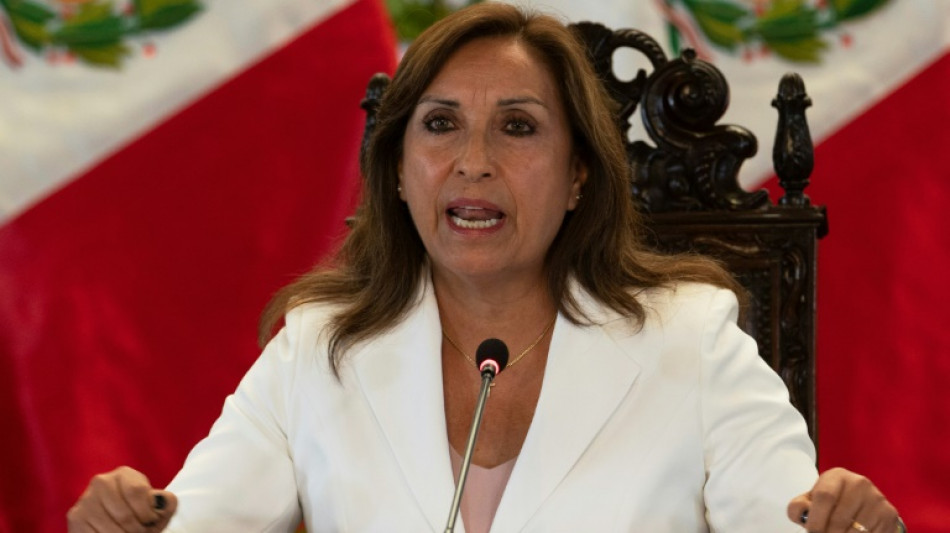
Three ways out from Peru political crisis, say experts / Photo: Cris BOURONCLE - AFP/File

 Scheffler and Burns to face Im and Lee in Presidents Cup opener
 Crushing wins for Lyon and Barca in women's Champions League
 Rio breaks record for rainiest September amid powerful El Nino
 At UN, tech chiefs urge caution in AI development
 Russian strikes kill seven in Ukraine, Zelensky vows winter campaign
 Venezuelan shot by ICE needs urgent medical care, mother tells AFP
 Zelensky says Putin using fighters from 47 countries in Ukraine war

 Klopp calls on Germany to 'rise above ourselves' as new era begins

 Russian strikes kill seven in Ukraine as Russia vows no 'pause' to war

 ArcPoint Expands Globally with Institutional Intelligence Platform for Modern Investors

 Ronaldo focussing on 'present' ahead of Wales test

 Outgoing UN chief makes final climate push at New York summit
 Grief and pain flow at hearing for Canadian suicide poison vendor
 Ireland boss Hallgrimsson says timing of Israel remarks 'not clever'
 Weinstein resentenced to 15 years in prison for 2006 sex assault
 Fendi brings disco bling, Italian style, to Milan Fashion Week
 French court confirms rape trial for PSG and Morocco star Hakimi

 President tells Trump that Iran will never 'bend at the knee'

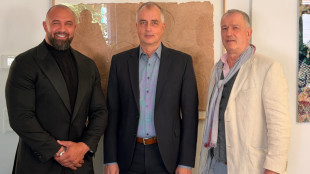
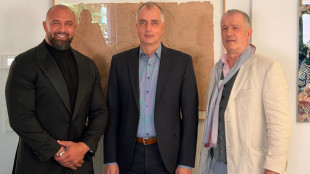 أليكس بودي والبروفيسور الدكتور شتيفان هاوبت يتفقان على التعاون من أجل مجموعة فنية أسطورية في رومانيا
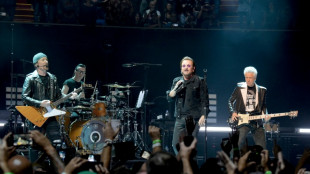 U2 at 50: Irish rockers reveal anniversary album
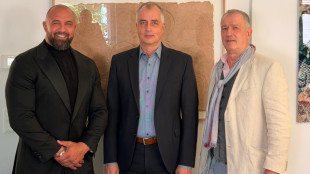 Алекс Боді та проф. д-р Стефан Гаупт домовилися про співпрацю щодо легендарної колекції мистецтва в Румунії
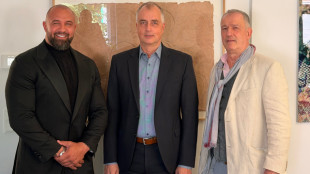
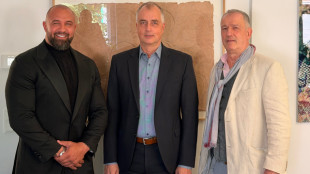 Alex Bodi și prof. dr. Stefan Haupt încheie un acord de cooperare pentru o colecție de artă legendară în România
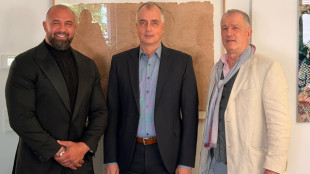
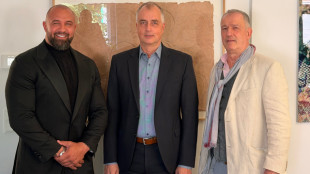 Alex Bodi and Prof. Dr Stefan Haupt agree to collaborate on a legendary art collection in Romania
 Stocks dip, oil rises as traders eye chances of Iran deal

 Israel squeezing UN Palestinian refugee agency ahead of polls: chief

Peru has been rocked by two months of social upheaval with near-daily anti-government protests often turning into violence in which at least 48 people have died.
Demonstrators angered by the arrest of former president Pedro Castillo are demanding the resignation of President Dina Boluarte, immediate elections, the dissolution of parliament and a new constitution.
But Boluarte refuses to step down and last week Congress shelved all attempts to bring forward elections slated for 2026, despite having tentatively voted in principle in December to hold them in 2024.
It has left the country mired in a political crisis that shows no sign of abating with protesters determined to maintain their pressure with rallies and road blocks.
Here, analysts discuss three ways the South American country could resolve the crisis.
- Resignation -
"The only (way out) is President Boluarte's resignation," said Paula Tavara, political scientist and professor at the Catholic University in Lima.
Power would then transfer to the head of Congress whose role would be to call fresh elections, although there is no constitutional time limit for that.
Boluarte was Castillo's vice president and took power after he was impeached and arrested on December 7, charged with rebellion for having attempted to dissolve parliament and rule by decree.
Although she is from the same left-wing party as Castillo, his supporters accuse her of treachery and are adamant she must quit.
Boluarte has repeatedly dismissed any such notions insisting that these demands amount to "political blackmail."
She claims she has no intention of holding onto power and pushed for elections to be brought forward.
But Tavara says it is clear Congress has no intention of doing so, having voted down several bills proposing such anticipated polls and will not now debate the subject again until August.
Congress has thus left "the solutions in the hands of the Executive," said Tavara.
But Boluarte's resignation remains "highly improbable."
Tavara believes that Boluarte is afraid of losing her presidential immunity and having to "take responsibility for the consequences" of the protester death toll in the courts.
Rights organizations have accused the security forces of excessive use of force against demonstrators.
It is also against Boluarte's interests and those of the right-wing allies supporting her in parliament for her to resign, said political scientist Patricia Paniagua of the University of Granada.
"You can see this clear alignment of a strategy" between the two.
- Removal -
If Boluarte does not resign, she could be removed by Congress, as the constitution allows.
Parliament has a history of removing presidents with Alberto Fujimori (2000), Martin Vizcarra (2020) and Castillo (2022) all forced out in recent years, while Pedro Pablo Kuczynski (2018) jumped before he was pushed.
Rumors persist that left-wing parties will try to remove Boluarte, but this could be difficult to achieve with a two-thirds majority needed to do so.
"I cannot see it happening as it would also accelerate the end of this Congress" by bringing forward general elections, said Alonso Cardenas, a professor of political science at the Antonio Ruiz de Montoya university.
"Given the political immaturity" of those in government and in parliament, it is unlikely they would sacrifice their own ambitions for the good of the country, added Cardenas.
In any case, "they don't have the votes" to remove Boluarte, says Paniagua, who nonetheless believes the issue "will be discussed."
- Waiting for storm to pass -
The refusal of Congress to advance elections could lead to the protest movement growing and expanding, particularly in the capital.
"Unfortunately that week of no (election) decision being taken brings us closer to that scenario," said Tavara.
But at the same time, Paniagua believes the government is banking on protesters becoming weary and giving up, allowing the president and Congress to see out their mandates until 2026.
"The response in the street is energetic, it's firm .... but can this last over the medium to long term?" she said.
Paniagua says Boluarte's silence after Congress shelved her attempts to bring forward elections suggest both branches of power are prepared to continue "turning their backs on what is happening in the street."
Tavara believes the government could survive through "a very serious act of contrition," such as replacing the cabinet, punishing those responsible for protester deaths and opening up dialogue with protesters.
A.Moore--AT