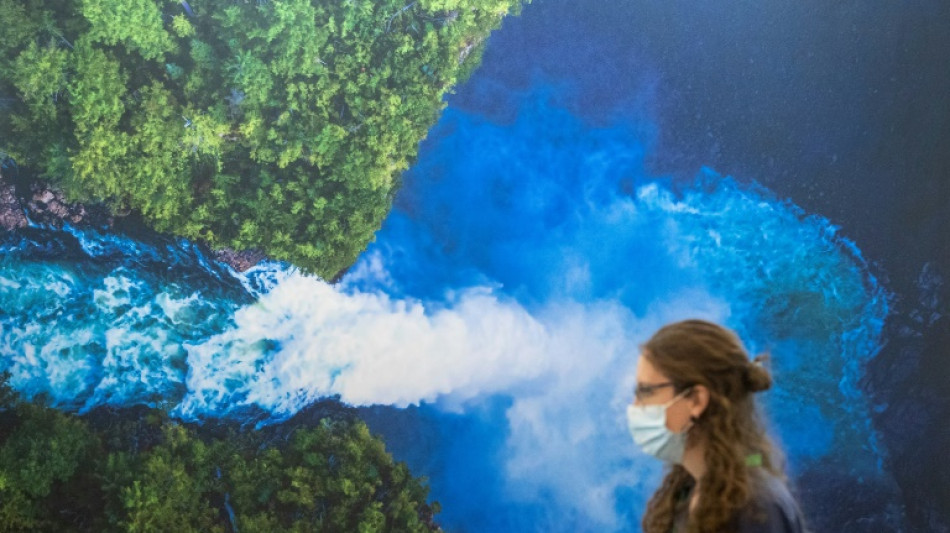
Countries agree historic deal to protect nature / Photo: Lars Hagberg - AFP

 Security high as France braces for new protests
 White makes winning start as Fiji edge Eddie Jones's Japan

 Lula, Bolsonaro strike calmer tone in final Brazil election debate

 'How is it possible?': Students protest Indonesian haze

 Israel launches major West Bank operation after soldiers killed

 Typhoon Champi knocks out power to thousands in Taiwan

 As Israeli election nears, campaign turns ugly

 Oscar hopeful 'La Bola Negra' offers lessons about communicating, directors say

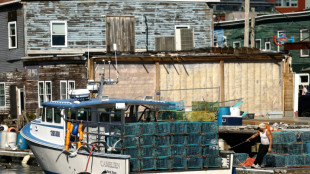 Trapped: Soaring fuel costs hurt Maine lobster industry before midterms

 Marc Marquez beats brother Alex to Australian MotoGP pole

 5 Ways to Prepare Financially for Parenthood

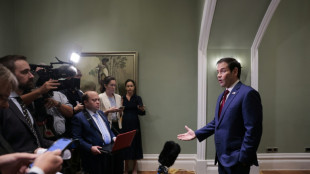 Rubio urges Cubans to work with CIA, but warns: be discreet

 Leclerc tops times for Ferrari in practice for US Grand Prix

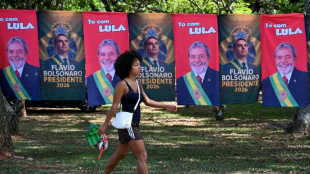 Lula, Bolsonaro lock horns in final debate before Brazil vote

 Poulter and Hatton leave LIV Golf

 Blakely vaults out of the shadow of Biles for all-around world title

 Oil tops $116 with stocks mixed on earnings, AI

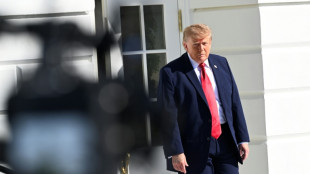 Trump orders lawsuit to block Alaska Senate result if Republicans lose
 Ebola patient in Nigeria is Swiss, had not visited DR Congo: Bern

 Messi receives top Spanish award from heir to throne

 Macron condemns 'racist terrorist attack' after deadly shooting near Paris

 Shiffrin sidesteps slalom in 'exploration' season
 Bayern Munich coach Kompany in hospital after collapsing: club

 Alonso sees Courtois similarities in Chelsea's Penders

 Melania Trump announces truce in Ukrainian city 'on brink of disaster'

Countries approved a historic deal to reverse decades of environmental destruction threatening the world's species and ecosystems at a marathon UN biodiversity summit early Monday.
The chair of the COP15 nature summit, Chinese Environment Minister Huang Runqiu, declared the deal adopted at a late-night plenary session in Montreal and struck his gavel, sparking loud applause from assembled delegates.
In doing so he overruled an objection from the Democratic Republic of Congo, which had refused to back the text, demanding greater funding for developing countries as part of the accord.
After four years of fraught negotiations, more than 190 other states rallied behind the Chinese-brokered accord aimed at saving the lands, oceans and species from pollution, degradation and the climate crisis.
The deal pledges to secure 30 percent of the planet as a protected zone by 2030 and to stump up $30 billion in yearly conservation aid for the developing world.
Environmentalists have compared the accord to the landmark plan to limit global warming to 1.5C under the Paris agreement, though some earlier warned that it did not go far enough.
Brian O'Donnell of the Campaign for Nature called it "the largest land and ocean conservation commitment in history."
"The international community has come together for a landmark global biodiversity agreement that provides some hope that the crisis facing nature is starting to get the attention it deserves," he said.
"Moose, sea turtles, parrots, rhinos, rare ferns and ancient trees, butterflies, rays, and dolphins are among the million species that will see a significantly improved outlook for their survival and abundance if this agreement is implemented effectively."
Marco Lambertini, head of the Worldwide Fund for Nature, said ahead of the approval sessions: "It is the equivalent to 1.5C in climate and vital to catalyzing action toward a nature-positive world and holding everyone accountable.
"However, there still remain several loopholes, weak language, and timelines around actions that aren't commensurate with the scale of the nature crisis we're all witnessing, and importantly may not add up to achieve this shared global goal."
- Aid boost -
The text calls on wealthy countries to increase financial aid to the developing world to $20 billion annually by 2025, rising to $30 billion per year by 2030, while ensuring 30 percent of land and sea areas are effectively conserved and managed by the end of this decade.
It pledges to safeguard the rights of Indigenous people as stewards of their lands, a key demand of campaigners.
But it pulled punches in other areas -- for example, only encouraging businesses to report their biodiversity impacts rather than mandating them to do so.
The 23 targets in the accord also include cutting environmentally destructive farming subsidies, reducing the risk from pesticides and tackling invasive species.
- Funding dispute -
At times, the talks looked at risk of collapsing as countries squabbled over money.
The issue of how much money the rich countries will send to the developing world, home to most of the planet's biodiversity, was the biggest sticking point.
Developing countries, spearheaded by Brazil, had been seeking the creation of a new fund to signal the Global North's commitment to the cause. But the draft text instead suggested a compromise: creating a fund within an existing mechanism, called the Global Environment Facility (GEF).
Brazilian delegate Braulio Dias, speaking on behalf of the incoming government of Luiz Inacio Lula da Silva, had called for "better resource mobilization" -- technical speak for more aid to developing countries, a concern echoed by the Democratic Republic of Congo.
Current financial flows for nature to the developing world are estimated at around $10 billion per year.
Beyond the moral implications, there is the question of self-interest: $44 trillion of economic value generation -- more than half the world's total GDP -- depends on nature and its services.
The United States is not a signatory to the biodiversity convention due to resistance from Republican senators. US President Joe Biden supports the deal and launched his own "30 by 30" plan domestically, while the United States pays into the GEF to assist developing countries.
China chaired the conference but it was held in Canada because of China's strict Covid rules.
A.Taylor--AT