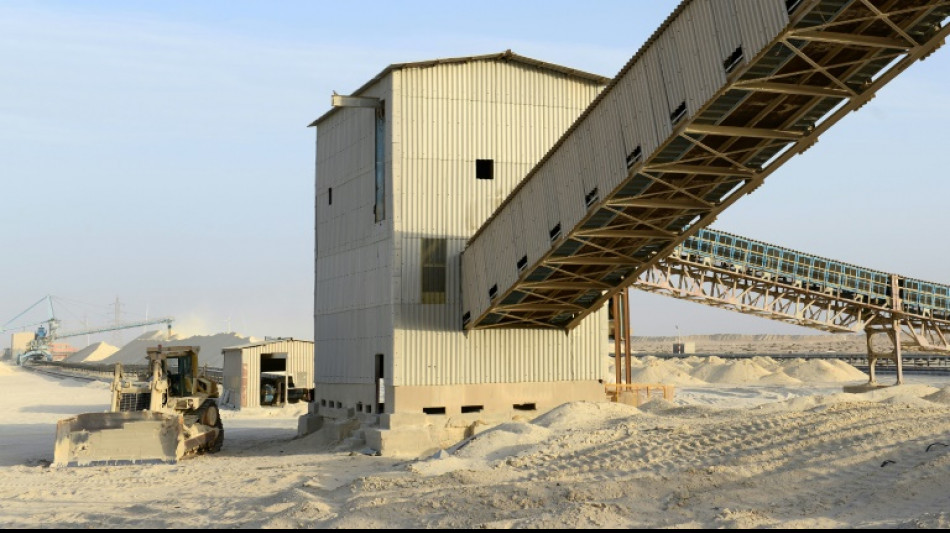
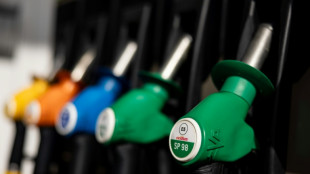
Morocco reaps cash, clout from fertiliser supply shock / Photo: Fadel SENNA - AFP/File

 Fitzpatrick 'not comfortable' over Dubai golf finale
 Gaza apartment block collapse kills 21, including 12 children
 Gaza apartment block collapse leaves 21 dead
 US House targets data centers as midterm backlash grows
 French ex-minister Dati goes on trial in Renault-Nissan corruption case

 'Being Heumann' captures joy in fight for disability rights
 Retired great Nadal to play in exhibition matches
 IR-MED and Dice Technologies Announce collaboration to Evaluate and Advance Pressure-Injury Prevention Platform in Japan
 Watts, Pitt, Cruz to light up Spain's top film festival
 Sweden expels Iran embassy employee over anti-Jewish threats
 Toogood Gold's Table Mountain Sits in the Shadow of a Nevada Gold Rush

 MEXC July–August Security Report: 38.66M USDT in Risk Funds Intercepted, Futures Insurance Fund Hits 792M USDT

 'Breathing toxin every day': Indonesians choked by haze feel helpless
 Stocks edge higher ahead of US Fed rate call

 Philippines ex-leader Duterte makes first in-person ICC appearance

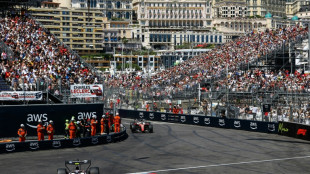 2027 Formula One calendar includes Monaco sprint race

 Palestinians are the real victims, Thunberg tells Ed Sheeran

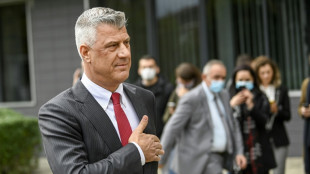 Hashim Thaci: From 'George Washington of Kosovo' to Hague convict
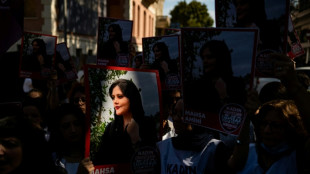 Amnesty says Iran committed 'crimes against humanity' in crackdown on 2022 protests
 EU to ban social media for under 13s, curb access until 15

 Philippines ex-leader Duterte makes first appearance at ICC

 EU chief pitches 'associate member' status for Canada
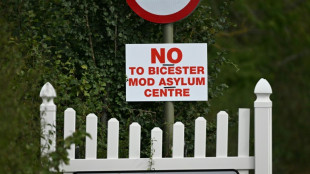 English village votes to 'secede' from UK over asylum centre plan

 Wildfires push endangered Sumatran elephants to brink: Indonesian NGO

 Stocks head higher as traders prepare for Fed decision
A global fertiliser supply shock deepened by Russia's Ukraine invasion has brought boom times for the North African phosphate superpower Morocco and earned the kingdom new diplomatic capital.
Rabat is using the leverage especially in the decades-old fight over the disputed desert territory of Western Sahara, a former Spanish colony also claimed by Algeria-backed rebels, analysts say.
Morocco is set to chalk up record revenues for a second year running as farmers worldwide scramble for phosphate, made scarce by sanctions against top world producer Russia and a Chinese ban on exports.
Phosphate is a key ingredient of artificial fertilisers, which are vital for industrial agriculture and global grain supplies despite the long-term damage they inflict on soil and groundwater.
"It's a strategic mineral for the future because it's crucial for global food security," said Abderrahim Handouf, an agricultural policy expert.
"As populations grow, fertilisers are the most effective way to increase farm productivity."
According to Morocco's state-owned phosphates firm OCP, the kingdom controls around 31 percent of the international trade in the substance.
The OCP, which holds a national monopoly in the trade, is on track to record more than 131 billion dirhams ($12.4 billion) in revenue this year, up 56 percent on 2021 -- already a bumper year.
- 'Geopolitical tensions' -
Even before the start of the year, prices had been edging higher as the world emerged from the Covid pandemic and market leaders like China imposed export restrictions, said sector expert Mounir Halim.
There was also "strong demand from India, one of the world's biggest importers, which had exhausted its stocks," Halim told AFP.
Then as Western powers imposed sanctions on Russia after its invasion of Ukraine, prices of fertiliser shot up.
That made Morocco a vital alternative supplier. The kingdom's exports of phosphates and their derivatives jumped by two thirds year-on-year in the first nine months of 2022, according to the latest official figures.
Morocco has around 70 percent of the world's phosphate reserves, and has been mining four sites since 1921, including in the disputed Western Sahara.
Morocco's OCP has ramped up its production capacity by a factor of four since 2008, hitting 12 million tonnes last year, on target to reach 15 million by the end of 2023.
That makes it a major player in a global market fearful of further supply shocks.
The UN Food and Agriculture Organization warned in a report this year that "fertiliser supplies remain restricted, stocks are depleted and geopolitical tensions could spark additional supply restrictions at short notice."
- Phosphate diplomacy -
The result is that Morocco is enjoying not only an influx of cash, but also growing diplomatic muscle, particularly on Western Sahara.
The kingdom sees the vast stretch of desert as an integral part of its territory, but the Polisario movement backed by Morocco's arch-rival Algeria seeks independence there.
Rabat has placed the question at the heart of its diplomacy.
King Mohammed VI in August demanded that Morocco's allies "clarify" their stances on the issue, calling it "the prism through which Morocco views its international environment".
According to L'Economiste, a Moroccan French-language newspaper, OCP has become "the economic arm of Moroccan diplomacy".
In September, Rabat recalled a shipment of 50,000 tonnes of fertiliser destined for Peru after Lima restored diplomatic relations with the Polisario's self-proclaimed Sahrawi Arab Democratic Republic.
- Sticks and carrots -
But as well as sticks, OCP offers carrots.
The firm has been expanding its presence across Africa, with branches in 16 countries, a fertiliser factory in Nigeria and a deal signed in September to open another one in Ethiopia.
It has also put aside four million tonnes of fertiliser "to support food security in Africa" next year, it said.
This year Morocco exported half a billion tonnes of fertiliser to various African countries, either for free, as aid or at preferential prices.
Morocco is even looking across the Atlantic for new markets.
In September it signed a deal with Guatemala focusing on "fertilisers and farming", according to the two countries' foreign ministers.
In the same statement, Guatemala gave its backing to Morocco's autonomy plan for the Western Sahara.
But while OCP is a potential source of international leverage on the issue, Morocco does not demand public support for its position with every contract signed.
"Morocco is using its economic arms in a pragmatic way, not in a transactional way," said international relations expert Tajeddine El Husseini.
But, he added, economic ties can have "a political impact".
A.Anderson--AT