India's 'cockroach' protest movement keeps heat on Modi / Photo: Indranil MUKHERJEE - AFP/File

 Missing F-35 fighter parts 'not sensitive', says Australia minister

 Cambodia showcases scams crackdown with global conference
 Afghan cyclist who disguised herself as man wins Asian Games silver

 Typhoon Dujuan leaves four dead in Japan, 45,000 houses without power

 G7 leaders condemn Houthi strikes on Saudi Arabia
 Google data centre sparks protests in Austria

 Shin Ohashi: Junk food-loving teen and Japan's next big swimming hope
 Stocks rise on AI buzz, drop in oil prices

 China's robot dancers limber up for America's Got Talent final

 Despite military might, Saudi struggles to crush the Houthis
 Trump to tout deals, defend Iran war in UN speech

 Sri Lanka to issue verdict in landmark Easter attack trial

 Coretura Selects Alloy Kore to Advance a Unique Software-Defined Vehicle Platform for Its Commercial Vehicle Customers

 Akkodis and Hamburg Public Transport Association Showcase hvv mia at InnoTrans 2026, Demonstrating the Future of AI-Powered Mobility
 Macron says talks with Trump on Red Sea, Ukraine 'constructive'

 Green policies just good politics, says UK minister
 Bardot auction in Paris fetches nearly one million euros
 No timeline on Daniels injury return, says Commanders coach

 British Columbia sues OpenAI in US court over Canada school shooting

 French star Batum retires after 18-year NBA career

 Zidane leads first France training session
 Man shot by ICE agent in Texas detained with bullet inside him: lawyer

 California declares state of emergency ahead of El Nino

 South Africa arrests three more suspects, after nine women murdered

 Carse needs time away from England, says captain Brook

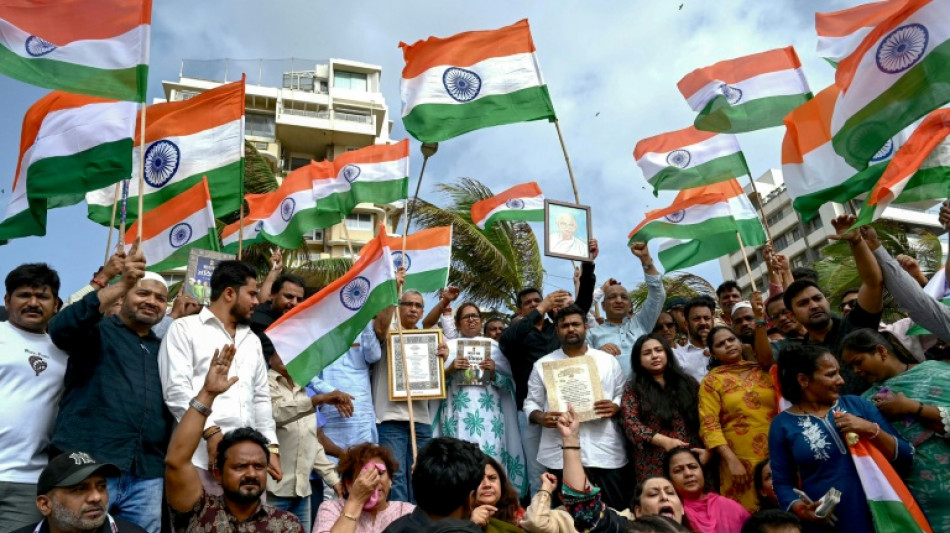
Two weeks after youth-led protests forced India's education minister to resign, Prime Minister Narendra Modi's government is grappling with the fallout from one of its toughest political challenges in years.
Led by the online Cockroach Janta Party (CJP), the demonstrations spread from New Delhi to other cities, broadening from anger over exam irregularities into a wider movement over unemployment, opportunities for young people and what critics describe as Modi's increasingly authoritarian rule.
While demonstrations are largely over after achieving key demands, AFP looks at what the protests revealed -- and what could come next.
- Modi under pressure -
The resignation of the education minister on July 25 marked a rare climbdown for a prime minister who has spent more than a decade cultivating an image of unwavering resolve.
The authorities have since attempted to woo the youth, and parliament has hiked penalties for leaking exam papers.
Police have withdrawn cases against protestors in several cities after criticism over the excessive use of force.
The protests also exposed a rapidly changing digital landscape, with protesters using social media to spread their message.
Modi, a keen user of X, has turned to Instagram -- issuing his first vertical videos to tap into the youth medium of choice.
- Surveillance crackdown -
The protests exposed how authorities are using AI-powered camera technology to monitor and identify demonstrators.
Many women say they have been receiving rape threats and abusive messages online after their videos during the demonstrations went viral.
Internet shutdown around the main protest site in New Delhi disrupted communication, forcing youngsters to find new ways to stay in touch.
India ranked second worldwide in internet shutdowns last year, according to Access Now monitor, including localised blackouts during protests, conflict and communal violence.
- Issues beyond exams -
Exam leaks were the spark, but the anger quickly spread to deeper frustrations among young Indians over jobs, economic opportunities and a lack of faith in institutions.
For many protesters, the prospect of uncertain employment after years of study and highly competitive examinations has become a symbol of a wider struggle for economic security.
That gives the movement a potential staying power beyond the original dispute.
Even if the government addresses exam cheating, it cannot easily resolve the broader grievances that brought young people onto the streets.
- 'Cockroach' influence -
The protests have left behind a youth movement with millions of followers online, but that does not guarantee lasting political influence.
The CJP has said it will organise a "nationwide listening tour" to hear the concerns of young Indians, while continuing to back protests over exam irregularities.
Demonstrations are still taking place in the eastern state of Jharkhand, suggesting the anger that fuelled the protests that began in the capital has not disappeared.
CJP founder, Abhijeet Dipke, has called for "a public movement to restore trust and neutrality in public institutions".
"The public has become very frustrated and tired of these things. That is why our movement got such massive support," he said.
But "for now, the CJP will function as a pressure group", Dipke added, rather than a political party.
- Youth vote -
The protests could force India's political parties to focus on the needs and demands of young voters.
Young Indians make up a huge potential electoral constituency, but turning protest energy into votes is another matter.
With nearly three years to go before the next national polls, both Modi's ruling party and the opposition may try and harness the anger and frustration expressed by young people for electoral gain.
E.Flores--AT