-
 Carapaz out of cycling world championships
-
South Korea, Austria qualify for Davis Cup finals

-
 'Fragile' Tottenham beaten by Aston Villa despite late rally
-
Seare shocks Ingebrigtsen to win world 5km gold

-
 Mourinho hails Real Madrid grit before Atletico derby clash
-
Brigitte Bardot widower slams sale of star's belongings

-
 Martin wins Austrian MotoGP sprint after Acosta crash
-
Aston Villa compound Tottenham's misery despite late rally

-
 Japan edge Fiji to win Pacific Nations Cup
-
Asian Games offer 'deepest apologies' for South Korea anthem blunder

-
 Black smoke, flames rising near Riyadh airport: residents to AFP
-
Inter Milan and Italy icon Mazzola dies aged 83
-
 UK actor Naomi Watts honoured at Spain film festival
-
Saudi capital issues first air raid alert since renewed fighting in Yemen
-
 Japan emperor declares Asian Games open after turbulent build-up
-
Martin edges title rival Marquez for Austrian MotoGP pole

-
 Asian Games open with unity message after troubled build-up
-
Indonesia accepts Malaysia's help to tackle wildfires
-
 Denmark hails 'binding' Greenland deal with Trump
-
Indians living in Japan on stand-by to house Asian Games athletes

-
 We don't want Games host Japan losing money, says Asian Olympic official
-
Trump signs bill authorizing sweeping Russia sanctions
-
 Ed Sheeran returns to stage after Palestinian controversy
-
Protesters form human chain at Kennedy Center after Trump threat

-
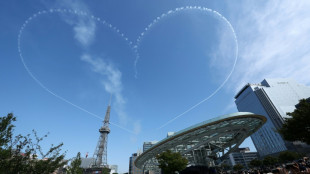 Asian Games to open in Japan after troubled build-up
-
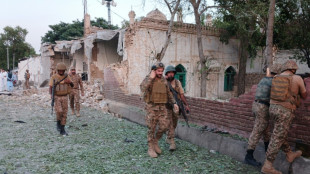
Death toll from attack at police HQ in Pakistan rises to 31
-
 Drone owners rush to offload devices ahead of Beijing ban
-
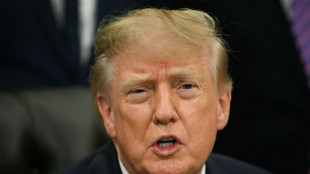
Trump says Denmark to give US 'permanent control' over Greenland security
-
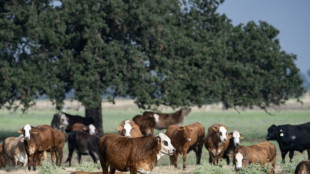 Trump's beef policies irk Texas ranchers, testing their loyalty
-
New to The Street Broadcasts Tonight at 6:30 PM ET Across the United States, Latin America and MENA, Featuring BioVie, Acurx Pharmaceuticals, Lantern Pharma and SafeSpace Global

-
 Batman Appears Atop the Sydney Opera House for Batman Day 2026
-
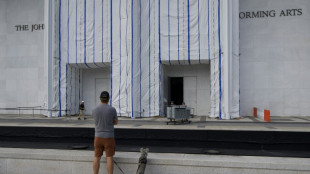
Kennedy Center: future unclear for iconic Washington arts hub
-
 Nvidia, OpenAI CEOs to attend Xi dinner at White House
-
Trump claims 'infinite' Greenland security deal with Denmark
-
 Anthropic picks Accenture for in-house AI safety evaluation
-
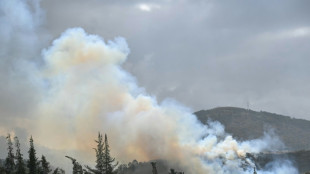
Helicopters battle wildfire threatening Ecuador's capital
-
 Balogun returns as Monaco beat Lens to continue strong Ligue 1 start
-
Brentford batter Chelsea to undo Alonso's promising start

-
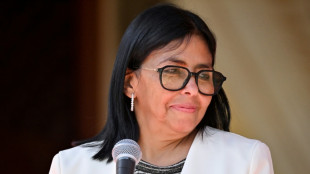 'Pause' on overt repression in Venezuela, but reforms still needed: HRW
-
Kane hits Bundesliga century as Bayern rout Union

-
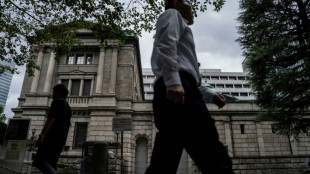 Global stocks mixed as yen falls despite Bank of Japan rate hike
-
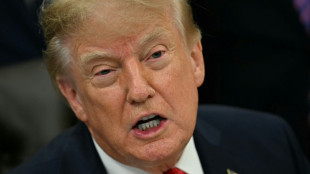
Trump says CNN, MS NOW, Politico banned from White House
-
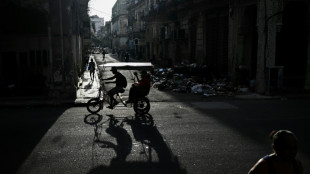 Cuba hit with seventh major blackout of the year
-
Hushing and hedging: US companies retreat on climate
-
 Murray out with concussion so Wentz will start for Vikings
-
Springboks to face Fiji before 2027 Rugby World Cup

-
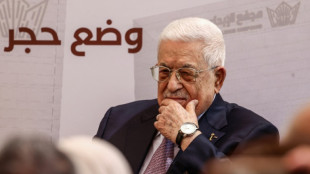 UN chief 'deeply regrets' US visa refusal to Abbas for annual meeting
-
Nigeria miners struggled to breathe in cell before 37 died: survivors
-
 England quick Carse to face no charges over alleged nightclub assault
-
McIlroy on the charge at PGA Championship as Reed withdraws

India's capital shuts schools as smog exceeds 60 times WHO limit
India's capital New Delhi switched schools to online classes Monday until further notice as worsening toxic smog surged past 60 times the World Health Organization's recommended daily maximum.
Various piecemeal government initiatives have failed to measurably address the problem, with the smog blamed for thousands of premature deaths each year and particularly impacting the health of children and the elderly.
Levels of PM2.5 pollutants -- dangerous cancer-causing microparticles that enter the bloodstream through the lungs -- peaked at 907 micrograms per cubic metre on Monday morning, according to IQAir pollution monitors, with a reading above 15 in a 24-hour period considered unhealthy by the WHO.
Individual monitoring stations noted even higher levels -- one recorded PM2.5 pollutants at 980, 65 times the WHO maximum.
"My eyes have been burning for the last few days", said rickshaw puller Subodh Kumar, 30.
"Pollution or no pollution, I have to be on the road, where else will I go?" he said, pausing from eating breakfast at a roadside stall.
"We don't have an option to stay indoors... our livelihood, food, and life -- everything is in the open."
Dense grey and acrid smog smothered the city, with IQAir listing conditions as "hazardous".
The city is blanketed in poisonous smog each year, primarily blamed on stubble burning by farmers in neighbouring regions to clear their fields for ploughing, as well as factories and traffic fumes.
A report by The New York Times this month, based on samples collected over five years, revealed dangerous fumes also spewing from a power plant incinerating the city's landfill garbage mountains.
- 'Stay indoors' -
Primary schools were ordered to cease in-person classes on Thursday, with a raft of further restrictions imposed on Monday, including limiting diesel-powered trucks and construction.
The curbs were put in place by city authorities "in an effort to prevent further deterioration" of the air quality.
Authorities hope by keeping children at home, traffic will be reduced.
"Physical classes shall be discontinued for all students, apart from Class 10 and 12," Chief Minister Atishi, who uses one name, said in a statement late Sunday.
The government urged children and the elderly, as well as those with lung or heart issues "to stay indoors as much as possible".
Many in the city cannot afford air filters, nor do they have homes they can effectively seal from the misery of dangerous foul-smelling air.
"The rich ministers and officials can afford to stay indoors, not ordinary people like us," said rickshaw taxi driver Rinku Kumar, 45.
"Who can even afford an air purifier when paying monthly bills is a challenge?"
The smog has delayed dozens of flights in the past week.
New Delhi and the surrounding metropolitan area, home to more than 30 million people, consistently tops world rankings for air pollution in winter.
Cooler temperatures and slow-moving winds worsen the situation by trapping deadly pollutants each winter, stretching from mid-October until at least January.
India's Supreme Court last month ruled that clean air was a fundamental human right, ordering both the central government and state-level authorities to take action.
It is meeting again on Monday to discuss the lack of progress on the health crisis.
Critics say arguments between rival politicians heading neighbouring states -- as well as between central and state-level authorities -- have compounded the problem.
Politicians are accused of not wanting to anger key figures in their constituencies, particularly powerful farming groups.
R.Garcia--AT