-
 Carapaz out of cycling world championships
-
South Korea, Austria qualify for Davis Cup finals
-
 'Fragile' Tottenham beaten by Aston Villa despite late rally
-
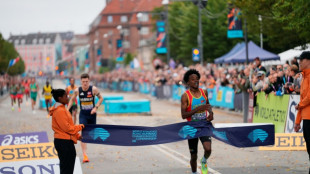
Seare shocks Ingebrigtsen to win world 5km gold
-
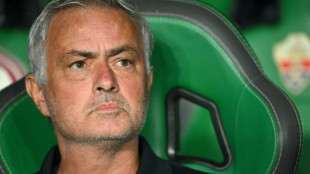 Mourinho hails Real Madrid grit before Atletico derby clash
-
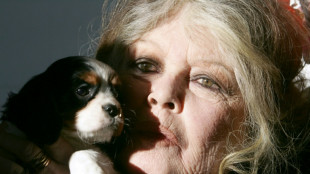
Brigitte Bardot widower slams sale of star's belongings
-
 Martin wins Austrian MotoGP sprint after Acosta crash
-
Aston Villa compound Tottenham's misery despite late rally

-
 Japan edge Fiji to win Pacific Nations Cup
-
Asian Games offer 'deepest apologies' for South Korea anthem blunder
-
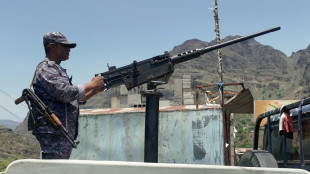 Black smoke, flames rising near Riyadh airport: residents to AFP
-
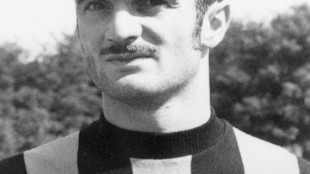
Inter Milan and Italy icon Mazzola dies aged 83
-
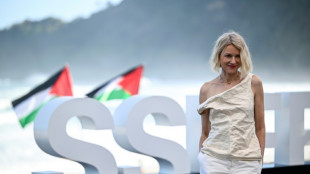 UK actor Naomi Watts honoured at Spain film festival
-
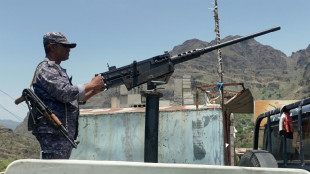
Saudi capital issues first air raid alert since renewed fighting in Yemen
-
 Japan emperor declares Asian Games open after turbulent build-up
-
Martin edges title rival Marquez for Austrian MotoGP pole
-
 Asian Games open with unity message after troubled build-up
-
Indonesia accepts Malaysia's help to tackle wildfires
-
 Denmark hails 'binding' Greenland deal with Trump
-
Indians living in Japan on stand-by to house Asian Games athletes
-
 We don't want Games host Japan losing money, says Asian Olympic official
-
Trump signs bill authorizing sweeping Russia sanctions
-
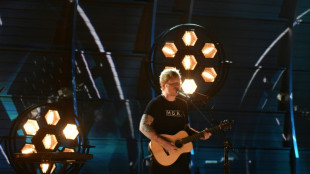 Ed Sheeran returns to stage after Palestinian controversy
-
Protesters form human chain at Kennedy Center after Trump threat

-
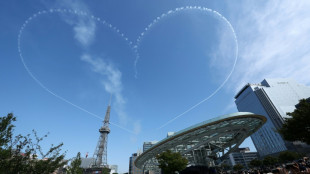 Asian Games to open in Japan after troubled build-up
-
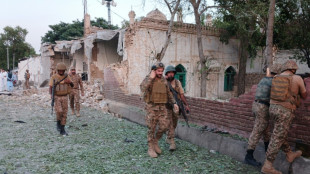
Death toll from attack at police HQ in Pakistan rises to 31
-
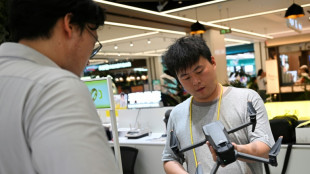 Drone owners rush to offload devices ahead of Beijing ban
-
Trump says Denmark to give US 'permanent control' over Greenland security
-
 Trump's beef policies irk Texas ranchers, testing their loyalty
-
New to The Street Broadcasts Tonight at 6:30 PM ET Across the United States, Latin America and MENA, Featuring BioVie, Acurx Pharmaceuticals, Lantern Pharma and SafeSpace Global
-
 Batman Appears Atop the Sydney Opera House for Batman Day 2026
-
Kennedy Center: future unclear for iconic Washington arts hub
-
 Nvidia, OpenAI CEOs to attend Xi dinner at White House
-
Trump claims 'infinite' Greenland security deal with Denmark
-
 Anthropic picks Accenture for in-house AI safety evaluation
-
Helicopters battle wildfire threatening Ecuador's capital
-
 Balogun returns as Monaco beat Lens to continue strong Ligue 1 start
-
Brentford batter Chelsea to undo Alonso's promising start
-
 'Pause' on overt repression in Venezuela, but reforms still needed: HRW
-
Kane hits Bundesliga century as Bayern rout Union
-
 Global stocks mixed as yen falls despite Bank of Japan rate hike
-
Trump says CNN, MS NOW, Politico banned from White House
-
 Cuba hit with seventh major blackout of the year
-
Hushing and hedging: US companies retreat on climate
-
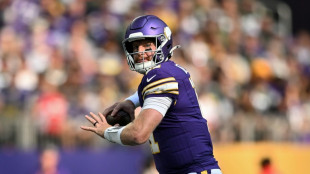 Murray out with concussion so Wentz will start for Vikings
-
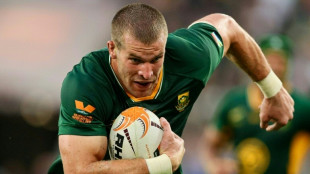
Springboks to face Fiji before 2027 Rugby World Cup
-
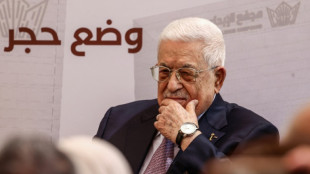 UN chief 'deeply regrets' US visa refusal to Abbas for annual meeting
-
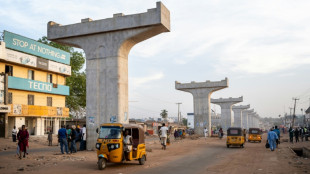
Nigeria miners struggled to breathe in cell before 37 died: survivors
-
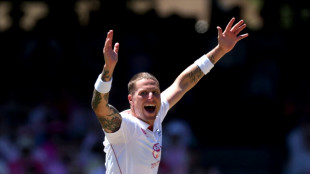 England quick Carse to face no charges over alleged nightclub assault
-
McIlroy on the charge at PGA Championship as Reed withdraws
Britain's Starmer kicks off long road to EU 'reset' in Brussels
British Prime Minister Keir Starmer on his first visit to Brussels Wednesday conceded his much-vaunted "reset" with the EU won't be easy, despite improved mood music between the two sides after the rancour of Brexit.
Starmer held talks with European Commission chief Ursula von der Leyen as his Labour government seeks a fresh start with the 27-nation bloc after ousting the Conservatives in July.
The two leaders agreed to start holding regular summits -- with the first one scheduled for the first half of next year -- as they look for areas where they could step up cooperation.
Starmer listed growth policies, climate change, energy security and illegal migration as potential broad domains for agreement.
But Starmer offered few details on how to improve the painstakingly negotiated deals governing ties since the UK quit the bloc.
"Today was as much about turning the page on the old way of doing these negotiations and starting a different way of doing it, a much more constructive way of doing it," Starmer said.
"It doesn't mean the challenges aren't there. It doesn't mean it's going to be easy."
The British leader, who voted in the 2016 referendum to remain in the EU, has insisted his reset will not mean reversing Brexit, which remains a politically toxic subject in the UK.
He reiterated his long-standing "red lines", including not returning to freedom of movement, which led him to pour cold water on an EU proposal for a "youth mobility scheme".
"There will be no return to freedom of movement, no return to the customs union, no return to the single market," he said.
Von der Leyen, who also met Starmer during last month's UN General Assembly, said the tumult in the world highlighted the need for the neighbours to work together.
"In these very uncertain times, like-minded partners like us must cooperate more closely," she told Starmer.
"We should explore the scope for more cooperation while we focus on the full and faithful implementation" of the existing deals, she said.
- Give and take? -
Starmer has been under pressure to be more precise about what exactly he wants for Britain from the EU -- and what he is willing to give in return.
Labour wants improvements to the existing Trade and Co-operation Agreement between the UK and the EU that is due for renewal in 2026.
These include negotiating a possible new security pact, a veterinary agreement to ease border checks on farm produce and mutual recognition of professional qualifications.
"The detailed work to take this forward starts now," Starmer said.
Before heading to Brussels, Starmer first held bilateral meetings with French President Emmanuel Macron, German Chancellor Olaf Scholz and Italian premier Giorgia Meloni -- raising worries he was seeking to skip talking to the whole bloc.
- 'Gap year' -
The British leader has shunned the EU's big proposal so far -- a youth mobility scheme for 18- to 30-year-olds.
Brexit ended the free movement of EU citizens to live and work in Britain, and vice versa.
The EU would like younger people from its member countries to be able to move freely in the UK.
But Starmer has rejected the idea over fears it looks too much like freedom of movement, while the interior ministry is resistant to anything that increases levels of legal migration.
The EU's ambassador to the UK, Pedro Serrano, played down the notion that the proposal was a stumbling block last week. He likened it to a "gap year" that would not give EU citizens the right to work in Britain.
Analysts say Labour could be tempted by a limited exchange programme if it helps to achieve its overarching objective of boosting economic growth.
An EU diplomat speaking on condition of anonymity said the mood in Brussels was generally upbeat -- but it was unclear what could be achieved.
"A lot of work would need to go into defining how anything could work," the diplomat said.
burs-del/ec/gv
D.Lopez--AT