-
 Mehbooba Mufti urges dialogue and renewed Central Asia links for Kashmir
-
Bezos grant helps Seattle nonprofit move thousands of families toward housing

-
 Seacliff Healthcare Seeks Specialist GP in Thirroul
-
Shrini Srivastava joins crew of Varanasi-Delhi Vande Bharat Sleeper service

-
 US stocks fall before midterm Election Day as technology shares weaken
-
Nearly Half of Australian Workers Overqualified, Survey Finds

-
 BLS Polymers makes strong market debut at ₹248 per share
-
RBI eases export-declaration compliance for individual service exporters

-
 Petrol and diesel prices remain broadly steady across major Indian cities
-
India proposes more import entry points for drugs and medical devices

-
 Reliance shares remain in focus after near-12% surge
-
Derek Tierney Outlines Ten-Year Strategy for National Digital Health System
-
 2026 Arizona Midterms: Key Races, Ballot Measures, and Voter Deadlines
-
NBC’s Steve Kornacki Reveals Tech Habits Ahead of Midterm Elections

-
 Coal India prepares possible $1 billion Mahanadi Coalfields listing
-
India and Israel oppose UN draft on regional conventional arms control
-
 Julia Stiles and Ezra Sosa Share Emotional Farewell After 'DWTS' Elimination
-
BLS Polymers shares open 65.3% above IPO price

-
 US Buildings Threatened by Wildfires Could Triple by 2060
-
Capital-markets shares rally as Motilal Oswal and Angel One lead gains

-
 Why Pregnancy Cost Estimates Fail: A Family’s $9,000 Surprise
-
Latino Voters Defy ICE Fears, Turn Out in Record Numbers for Midterms

-
 US Strikes Iranian Targets in Strait of Hormuz Ahead of Midterms
-
ITC shares rise as analysts anticipate gradual cigarette-business recovery

-
 Brodeur’s Overtime Goal Secures Bethlehem’s Second Consecutive Sectional Title
-
Reliance rally puts historical one-year return pattern in focus

-
 Rare 1970 Plymouth ‘Cuda 426 Hemi Listed for $400,000
-
Kuwait edges Oman 1-0 in veterans Gulf Cup in Doha
-
 The Digital Burden: Why Instant Messaging Feels Like a Full-Time Job
-
Saudi Aramco quarterly profit climbs 34.6% amid elevated oil prices

-
 Alberta Tabled Controversial Riding Boundary Maps Amid Gerrymandering Accusations
-
Washington reports movement in Iran negotiations aimed at preventing escalation

-
 Hong Kong court set to sentence activist Joshua Wong in security case
-
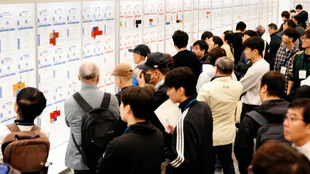
Korea’s Labor Share of GDP Hits Record Low Amid Semiconductor Boom
-
 Australia raises benchmark rate to highest level in 18 years
-
littlefish and Halo Dot Partner to Replace Payment Terminals with SoftPOS

-
 'The Remarried Empress' Cast Discusses Bringing Fantasy Royal Drama to Life
-
Kuwait inspectors destroy 115 kilograms of unverified meat in Farwaniya

-
 Asian stocks retreat as AI worries outweigh steep oil-price drop
-
Egypt Accelerates Construction of 341km Sinai Railway Linking Arish and Taba

-
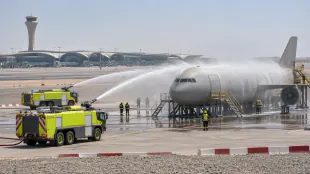 Hamad International Airport stages emergency drills during WATAN 2026
-
John Schneider Admits Owes Millions in 'Dukes of Hazzard' Divorce Battle

-
 Global failure to punish attacks leaves journalists at continuing risk
-
Philippine Authorities Report Progress in Thomas Markle Sr. Child Pornography Probe

-
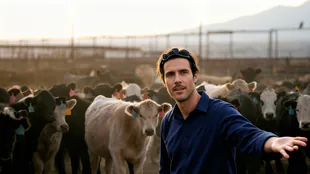 Researchers Warn 'Bookkeeping Trick' Masks Beef Industry's Methane Emissions
-
Web Summit Qatar 2026 generated QR1 billion economic impact, report says

-
 Climate Change Intensified Atlantic Hurricanes, Study Finds
-
UAE oil spill raises questions for desalination operations

-
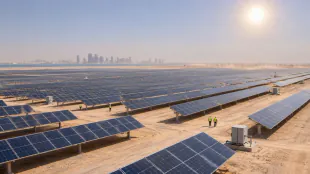 Qatar solar expansion opens scope for technical performance gains
-
Doha hotel and Carolina Herrera launch fragrance-inspired afternoon tea

NYSE - LSE
Several foreign NGOs stop work in Afghanistan after Taliban ban on women staff
Several foreign aid groups announced on Sunday they were suspending their operations in Afghanistan after the country's Taliban rulers ordered all NGOs to stop women staff from working.
Their announcement prompted warnings from international officials and from NGOs that humanitarian aid would be hard hit.
"We cannot effectively reach children, women and men in desperate need in Afghanistan without our female staff," said Save the Children, the Norwegian Refugee Council and CARE in a joint statement.
"Whilst we gain clarity on this announcement, we are suspending our programmes, demanding that men and women can equally continue our lifesaving assistance in Afghanistan."
The International Rescue Committee, which provides emergency response in health, education and other areas and employs 3,000 women across Afghanistan, also said it was suspending services.
"For IRC, our ability to deliver services rely on female staff at all levels of our organization," the New York-based group said in a statement. "If we are not allowed to employ women, we are not able to deliver to those in need."
The ban is the latest blow against women's rights in Afghanistan since the Taliban reclaimed power last year.
Less than a week ago, the hardline Islamists also barred women from attending universities, prompting global outrage and protests in some Afghan cities.
The economy ministry, which issued the ban on Saturday, threatened to suspend the operating licences of aid organisations that failed to stop women from working.
The ministry said it had received "serious complaints" that women working in NGOs were not observing a proper Islamic dress code, a charge also used by authorities to justify banning university education.
Karen Decker, the US charge d'affaires to Afghanistan, warned that the Taliban's decision would lead to starvation.
"As a representative of the largest donor of humanitarian aid to Afghanistan, I feel I have the right to an explanation on how the Taliban intend to prevent women and children from starving, when women are no longer allowed to distribute assistance to other women and children," Decker tweeted Sunday in multiple languages.
The UN chief's deputy special representative for Afghanistan, Ramiz Alakbarov, told AFP that the ban will impede aid delivery to millions of people and also have a devastating impact on the country's dilapidated economy.
"It will be very difficult to continue and deliver humanitarian assistance in an independent and fair way because women's participation is very important," Alakbarov said, adding that the UN will seek to get the ban reversed.
Germany's Foreign Minister Annalena Baerbock on Sunday also called for a "clear reaction from the international community".
And the Organisation of Islamic Cooperation called the ban "self-defeating and disserving the interests of Afghan people," and called on the Taliban to reverse its decision.
- 'Very critical' -
At a meeting of humanitarian officials on Sunday, there was no decision over whether all NGOs would suspend operations, according to Alakbarov, who added that more discussions would be held.
He acknowledged that the ban would impact the UN's operations as it distributes aid through a vast network of NGOs. It would also further pummel the country's economy already in a tailspin since the withdrawal of foreign forces in August last year.
"All assistance which is being provided to Afghanistan in this period is very critical, both for the nutritional security and to the job security of the people," he said.
Afghanistan's economic crisis has worsened since the Taliban seized power, which led to Washington freezing billions of dollars of assets and foreign donors cutting aid.
Dozens of organisations work across remote areas of Afghanistan and many employ women who rely on their income to feed their families, according to Alakbarov.
- 'Hell for women' -
Such is the case for Shabana, 24, who told AFP she was the only earning member in her family.
"If I lose my job, my family of 15 members will die of hunger," said Shabana, who has worked for a foreign NGO for decades and gave only one name.
"While the world is celebrating the arrival of the new year, Afghanistan has become a hell for women."
The government struck a defiant note Sunday in the face of international criticism.
Responding to the comment by the US charge d'affaires, Taliban spokesman Zabihullah Mujahid tweeted: "We do not allow anyone to talk rubbish or make threats regarding the decisions of our leaders under the title of humanitarian aid."
It remained unclear whether the directive impacted foreign staff at NGOs.
The international community has made respecting women's rights a sticking point in negotiations with the Taliban government for its recognition and the restoration of aid.
In addition to the ban on women attending universities, there is already an existing secondary school ban for girls.
Women have also been pushed out of many government jobs, prevented from travelling without a male relative and ordered to cover up outside of the home, ideally with a burqa, and not allowed into parks.
W.Nelson--AT