-
 Athletes 'can't take it any more' as Asian Games issues mount
-
Trump 'clearly' wants dialogue with Pyongyang: South Korean President
-
 Allen lights up Bills' new stadium with 41-31 win over Lions
-
Bank of Japan hikes rates to 31-year high to battle inflation
-
 Afghan medical students in Pakistan hope court stops college expulsions
-
Thailand's Muslim separatists vow to fight to the end
-
 AI doomsday warnings unlikely to slow IPOs but questions linger
-
Mideast turmoil, AI set to dominate UN gathering of world leaders
-
 ICC eyes China in bid to expand cricket
-
Australia to detain tourists who overstay visa, minister says
-
 Nkunku craving freedom and fun on RB Leipzig return
-
Championship rivals brace for renewal of bitter feuds

-
 Bhutan's traditional archers lose ground to development
-
In Brazil's Amazon, the hunt for oil fuels hopes and fears
-
 Asian stocks track Wall St rally as oil prices drop
-
Australian athlete who soiled herself apologises for continuing Hyrox race

-
 South Korea makes Asian Games complaint over Japan warlord ceremony
-
Baby orangutans in India expose 'frightening' scale of trafficking
-
 US aid cuts are killing Kenyan sex workers
-
Doom Loop? Ed Sheeran struggles against Gaza tide
-
 October 7 survivors, families take centre stage in Israel vote
-
Sudanese women hold fast to threatened henna body art
-
 Captain Mat Ryan axed from Socceroos squad for Brazil games
-
Man Utd misery puts Carrick under pressure, Spurs feeling the heat

-
 US approves sale of 48 F-35 jets to Saudi Arabia
-
Prized Mexican relic returns on loan, two centuries on
-
 InterContinental Hotels Group PLC Announces Transaction in Own Shares - September 18
-
GREE Chairperson Dong Mingzhu Honored by UNEP Cool Coalition for Leadership in Sustainable Cooling

-
 Staging Your Home for Sale: Cheap Upgrades That Make a Difference
-
Juventus, Palace cruise to Europa League wins, Bournemouth beat Sociedad

-
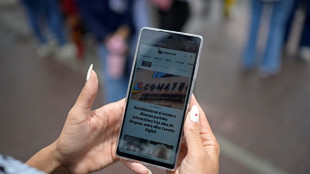 Venezuela unblocks some censored news sites
-
Stocks climb as oil retreats, Fed calms inflation fears
-
 Samba stars on debut in Man City rout of Norwich
-
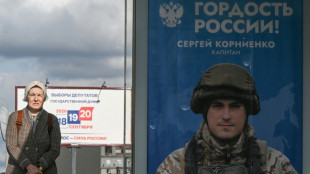
Russians begin voting in controlled election as war drags
-
 Oversight Board blasts 'inadequate' Meta safeguards for AI deepfakes
-
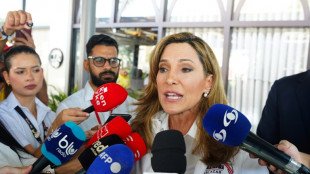
Hispanics feel 'betrayed' on immigration, Republican warns Trump
-
 The Easter Island origins of buzzy Malkovich drama 'Wild Horse Nine'
-
High-scoring Bears face Vikings in battle of NFL unbeatens

-
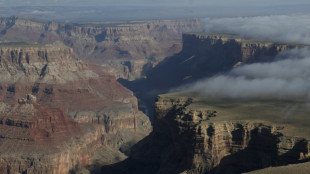 Third body recovered after Grand Canyon flash flood
-
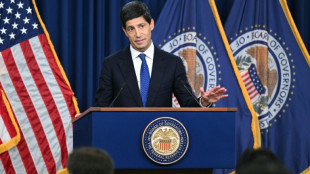
'In our lane': Fed's Warsh defies Trump but still fighting for credibility
-
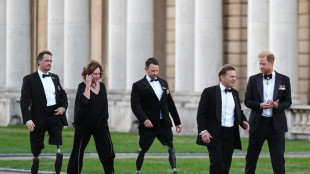 Harry makes first public appearance since return to UK
-
Trump admin makes major cut to endangered species protections
-
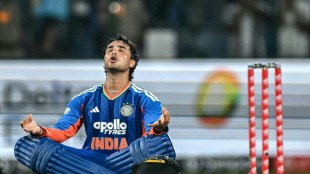 Abhishek hits record T20 ton as India sweep series 3-0
-
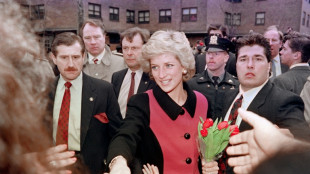
Princess Diana's brother makes new explosive claims against Charles
-
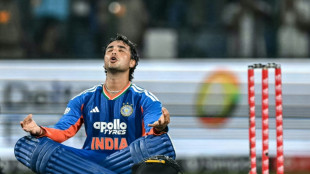 Abhishek hits record T20 ton as India sweep T20 series 3-0
-
Ovechkin on Russian political video: 'I support my country'

-
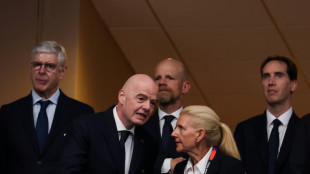 English FA calls for Infantino to release World Cup sell-off documents
-
Can we shut down AI?
-
 GM delivers first components for US interceptor missiles
-
Teenager Sullivan named in new-look US squad

Top UN, NGO officials to meet over Taliban ban on women staff
Top officials from the United Nations and dozens of NGOs operating in Afghanistan are meeting in Kabul Sunday to discuss the way ahead after the Taliban authorities ordered all NGOs to stop women employees from working, aid officials said.
The order issued by the Taliban authorities drew swift international condemnation, with governments and organisations warning of the impact on humanitarian services in a country where millions rely on aid.
The latest restriction comes less than a week after the hardline Islamists banned women from attending universities, prompting global outrage and protests in some Afghan cities.
The Ministry of Economy on Saturday threatened to suspend the operating licences of NGOs if they failed to implement the order.
The ministry, which issues these licences, said it had received "serious complaints" that women working in NGOs were not observing a proper Islamic dress code.
"A meeting of Humanitarian Country Team (HCT) is scheduled later today to consult and discuss how to tackle this issue," Tapiwa Gomo, public information officer for the UN Office for the Coordination of Humanitarian Affairs, told AFP.
The HCT comprises top UN officials and representatives of dozens of Afghan and international NGOs who coordinate distribution of aid across the country.
The meeting will discuss whether to suspend all aid work following the latest Taliban directive, some NGO officials said.
The United Nations, which said it would seek an explanation from the Taliban about the order, condemned the ministry's directive.
It said the order excluding women "systematically from all aspects of public and political life takes the country backward, jeopardising efforts for any meaningful peace or stability in the country".
US Secretary of State Antony Blinken said the ban would be "devastating" to Afghans as it would "disrupt vital and life-saving assistance to millions".
- 'Hell for women' -
"I'm the only breadwinner of my family. If I lose my job my family of 15 members will die of hunger," said Shabana, 24, a woman employee with an international NGO working in Afghanistan for decades.
"While the world is celebrating the arrival of the new year, Afghanistan has become a hell for women."
The ministry said women working in NGOs were not observing "the Islamic hijab and other rules and regulations pertaining to the work of females in national and international organisations".
But women employees AFP spoke to dismissed the charge.
"Our offices are gender segregated, and every woman is properly dressed," said Arezo, who works for another foreign NGO.
It remained unclear whether the directive impacted foreign women staff at NGOs.
The ban comes at a time when millions across the country depend on humanitarian aid provided by international donors through a vast network of NGOs.
Afghanistan's economic crisis has only worsened since the Taliban seized power in August last year, which led to Washington freezing billions of dollars of its assets and foreign donors cutting aid.
Dozens of organisations work across remote areas of Afghanistan and many of their employees are women, with several warning a ban on women staff would stymie their work.
"The ban is going to impact all aspects of humanitarian work as women employees have been key executors of various projects focussing on the country's vulnerable women population," said a top official of a foreign NGO in Kabul.
On Tuesday, the minister of higher education banned women from universities, charging that they too were not properly dressed.
That ban triggered widespread international outrage and some protests, which were forcefully dispersed by the authorities.
Since returning to power in August last year, the Taliban have already barred teenage girls from secondary school.
Women have also been pushed out of many government jobs, prevented from travelling without a male relative and ordered to cover up outside of the home, ideally with a burqa.
They are also not allowed to enter parks or gardens.
The Taliban have also resumed public floggings of men and women in recent weeks, widening their implementation of an extreme interpretation of Islamic sharia law.
F.Wilson--AT