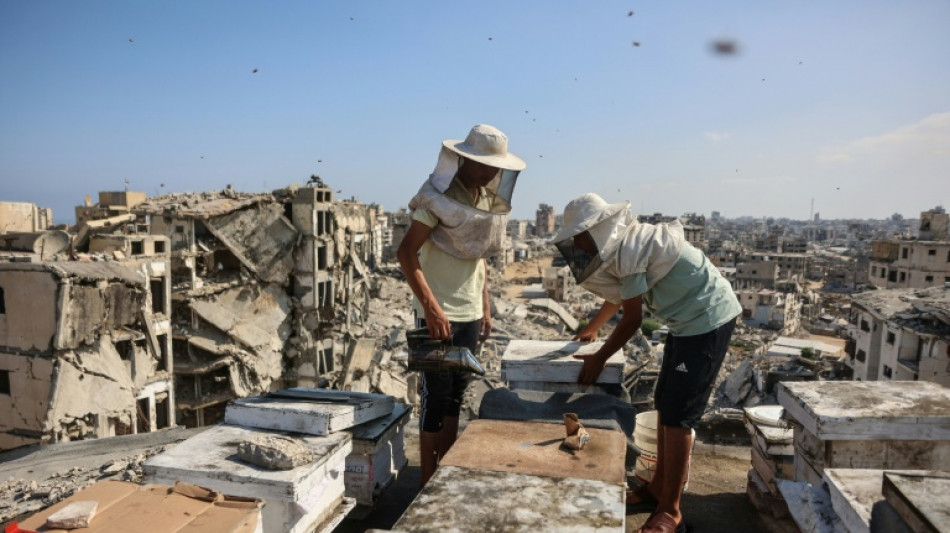
Gaza beekeeper starts again on rooftop amid ruins of war / Photo: Omar AL-QATTAA - AFP

 Missing F-35 fighter parts 'not sensitive', says Australia minister

 Cambodia showcases scams crackdown with global conference

 Afghan cyclist who disguised herself as man wins Asian Games silver

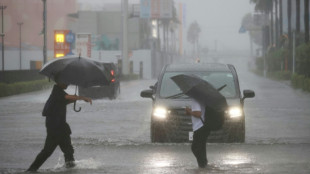
 Typhoon Dujuan leaves four dead in Japan, 45,000 houses without power

 G7 leaders condemn Houthi strikes on Saudi Arabia

 Google data centre sparks protests in Austria

 Shin Ohashi: Junk food-loving teen and Japan's next big swimming hope

 Stocks rise on AI buzz, drop in oil prices

 China's robot dancers limber up for America's Got Talent final

 Despite military might, Saudi struggles to crush the Houthis
 Trump to tout deals, defend Iran war in UN speech

 Sri Lanka to issue verdict in landmark Easter attack trial

 Coretura Selects Alloy Kore to Advance a Unique Software-Defined Vehicle Platform for Its Commercial Vehicle Customers

 Akkodis and Hamburg Public Transport Association Showcase hvv mia at InnoTrans 2026, Demonstrating the Future of AI-Powered Mobility

 Macron says talks with Trump on Red Sea, Ukraine 'constructive'

 Green policies just good politics, says UK minister

 Bardot auction in Paris fetches nearly one million euros
 No timeline on Daniels injury return, says Commanders coach

 British Columbia sues OpenAI in US court over Canada school shooting

 French star Batum retires after 18-year NBA career

 Zidane leads first France training session
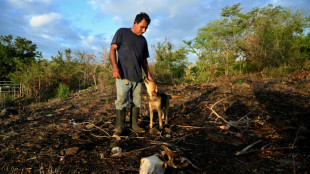
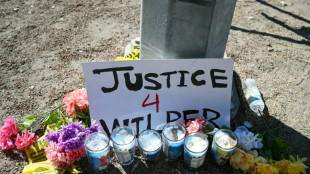 Man shot by ICE agent in Texas detained with bullet inside him: lawyer

 California declares state of emergency ahead of El Nino
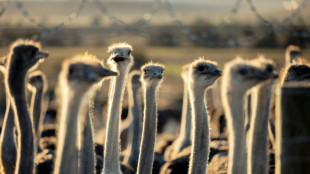
 South Africa arrests three more suspects, after nine women murdered

 Carse needs time away from England, says captain Brook

Perched on the edge of a rooftop high above Gaza City's bombed-out landscape, Ibrahim al-Dabba lovingly tends his community of bees, cultivating a rare source of hope among the ruins of the Israel-Hamas war.
Al-Dabba and his sons, donning protective netted hats and wielding metal bee smokers, gently inspect the neat rows of teeming hives.
As each frame of honeycomb is lifted out, hundreds of bees buzz lazily above the shattered urban neighbourhood -- an incongruous setting for an apiary, but one the veteran beekeeper had little option but to choose.
Al-Dabba, who heads the Beekeepers Cooperative in the Gaza Strip, said the war which erupted in October 2023 obliterated the Palestinian territory's beekeeping culture.
"We had more than 40,000 beehives and more than 450 beekeepers" before the war, he told AFP from the rooftop in Gaza City's Tel al-Hawa neighbourhood.
"The situation was good, with more than 1,000 families making a living through the beekeeping sector," he added.
"The war came and destroyed the beekeeping sector by more than 95 percent because most beekeepers were near the border areas," he explained.
Al-Dabba himself lost some 400 hives, which he had kept in agricultural lands east of Gaza City.
He had no choice but to relocate his remaining 35 or so hives to the roof of a residential building, but admitted the situation was far from ideal.
"Bees are supposed to be in a safe, suitable agricultural area, but today the bees are suffering just as we are," he said.
Al-Dabba explained that he could not move his bees back to their previous home because it had been destroyed and the land was now under the control of the Israeli military.
"We cannot approach or enter," he said.
"Just as we are displaced in the streets, the bees are also displaced on the rooftops."
- Hope despite suffering -
The devastating war in Gaza was triggered by Hamas's October 7, 2023 attack on Israel, which resulted in the deaths of 1,221 people, according to an AFP tally based on official Israeli figures.
Israel's retaliatory military campaign in Gaza has killed more than 73,300 people, according to the territory's health ministry, which operates under Hamas authority and whose figures are considered reliable by the United Nations.
Despite the ceasefire in effect since October, bloodshed has continued in the tiny territory, with the Israeli military continuing to target Palestinians they say are militants.
Israel says it now controls more than 60 percent of the Gaza Strip, up from about half when the ceasefire took effect.
The humanitarian situation also remains dire, with hundreds of thousands of people living in tents and Israel tightly controlling the entry of all goods into the territory.
"We lack essential supplies because importing beekeeping equipment from the other side is not permitted," Al-Dabba told AFP, saying he had approached external organisations and ministries in Gaza and the occupied West Bank for help.
Despite the suffering and challenges of relocating his hives to an unfamiliar landscape, Al-Dabba said he found "hope after seeing the bees coexist and adapt".
"The bees now come and go and feel settled," he said.
"So we hope that hope, goodness and living in peace and security will come, like in other countries."
W.Morales--AT