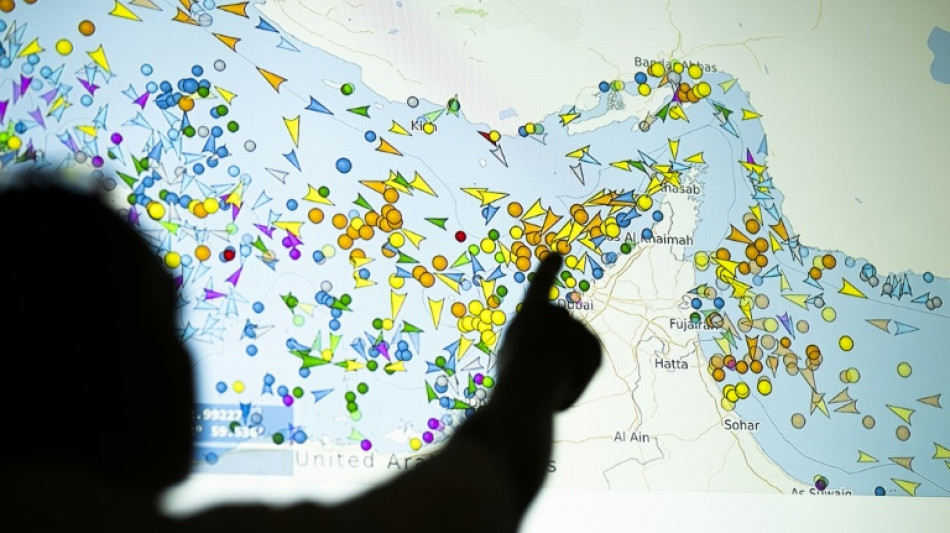
Recovery of ship traffic in Hormuz limited, but signs emerge / Photo: - - AFP

 Trump expected to name intel chief Clayton as AI czar: reports
 Argentina unveils passports-for-investment scheme

 Brazil election debate chaos sparks censorship row
 England's Carse charged by cricket body over nightclub incident

 Amazon vows $1 bn for data center towns, decries 'myths'

 Oil prices drop on G7 fuel release, US jobs data boosts stocks

 G7 agrees deal to ease global energy supply concerns

 Spain's government dealt blow as lawmakers reject housing bills
 Food, medicine shortages deepen in Russian-occupied Oleshky

 Man City whistleblower Rui Pinto facing 'dire consequences' - lawyers

 Russia 'tearing Kyiv apart', mayor says, as strikes paralyse traffic
 Taiwan boxer Lin wins Games gold as Japan edge North Korea on penalties

 Japan tame North Korea to win Games gold after shootout drama

 US posts weak job growth data in September
 Ethiopia's conflict: the regional dimension
 Life expectancy almost back to pre-Covid levels, says WHO

 Turkey's football referee chief faces judge in graft probe

 Verstappen goes own way to avoid the rain
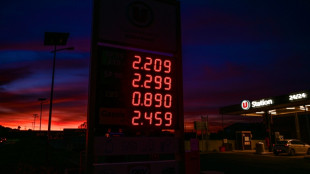
 Oil slides, bonds steady as EU addresses diesel price surge

 Spain housing package at risk in parliament, as protests mount

 Swedish Social Democrats leader to make new bid to form government
 North Korea calls Seoul 'despicable' after DMZ apology demand
 Taiwan boxer Lin wins gold as virtual taekwondo makes Games debut

 Man City face appeal deadline after explosive financial verdict

 Pole vault superstar Duplantis to skip indoor season

Maritime traffic in the Strait of Hormuz remains at levels before the Iran-US agreement, says the Kpler maritime tracking platform, but there are signs of recovery ahead of Friday's official reopening.
Eight ships carrying raw materials transited the strait on Monday, and six on Tuesday, according to Kpler data updated Wednesday. The agreement was reached overnight Sunday.
This rate is comparable to the previous week, which saw an average of eight transits per day.
That is well down on the rate of approximately 120 transits per day before the war, according to the maritime information website Lloyd's List.
A fifth of global hydrocarbon exports passed through the strait, as well as other essential raw materials.
In a sign of a less hostile climate in the area, several oil tankers in Iran's shadow fleet, all under international sanctions, reactivated their transponders on Tuesday and Wednesday.
They had been switched off for months to evade maritime surveillance.
The Amber, Diona, Sonia I, Starla, Tour 2 and Hero II, were among the vessels to have turned off the transponders, according to the MarineTraffic platform.
These ships had loaded oil on Kharg Island and left the Gulf through the Strait of Hormuz during the conflict, with their transponders switched off, according to Kpler.
Most of them have resumed transmitting AIS signals from the Iranian port of Chabahar, located at the mouth of the Gulf of Oman, about 500 km east of the Strait of Hormuz, near the Afghan border.
- Normal traffic will take time -
While the legal framework of the deal remains unclear, the almost simultaneous reactivation of the transponders on these vessels suggested that their operators were acting in concert, MarineTraffic said Wednesday.
Some of these tankers had crossed the perimeter of the US blockade, imposed in mid-April in response to Iran's de facto blocking of the Strait of Hormuz, according to the maritime tracking website TankerTrackers.
Tehran claimed on Tuesday that the US blockade had been lifted, but there has been no confirmation from Washington at this stage.
The US and Iran will sign their memorandum of understanding in Switzerland on Friday to end the war in the Middle East, marking the start of two months of negotiations, with the long-awaited reopening of the Strait of Hormuz agreed as the first step.
US President Donald Trump announced a full reopening of the strait following the signing.
But it will take time for maritime traffic to return to normal, according to a European maritime industry source.
"Ports will be congested... and everyone will have to wait one's turn," he warned.
"The whole logistical chain has to be reorganised."
A.Clark--AT