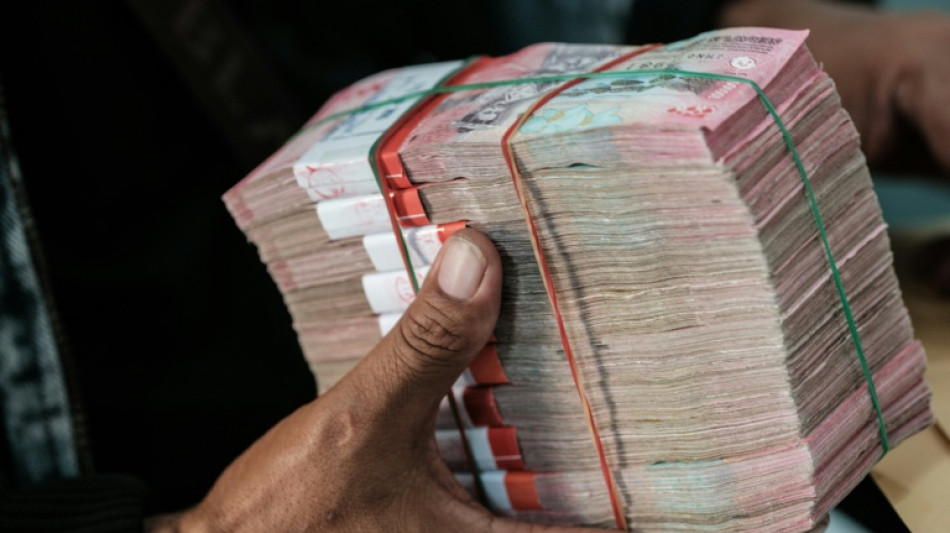
Indonesian economy comes up for air but struggles to win back investors / Photo: Yasuyoshi Chiba - AFP/File

 'Glad it's over': Kim powers to Games gold and military exemption

 After 11 World Cups, football finally comes home for one Indian fan

 Marc Marquez wins sprint at Japan MotoGP, Martin grabs pole

 Alcaraz fends off Arnaldi to reach Japan Open quarters

 Antonelli tops times in final practice at Bahrain GP

 Gauff digs deep to beat Osorio in China Open second round

 Fresh protests to hit Spain after housing measures defeated

 'He's here with me': Japan cycle queen dedicates gold to late brother

 Japan Olympic chief says 'lot more' athletes at Games than expected
 Asian carmakers besting US rivals at home, China poised to strike

 Widgets & Web Offers All-Inclusive Investor Relations Websites for Public Companies, IPOs and SPACs

 Adams named new US captain to 2030 World Cup

 China a better influence in Latin America than US: poll

 Judge pauses construction of border project in Texas national park

 Belgium's De Bruyne fires double to sink Turkey, France held by Italy

 US jobs data boosts stocks as oil prices dip

 US Supreme Court to hear high-stakes climate case

 Trump expected to name intel chief Clayton as AI czar: reports

 Argentina unveils passports-for-investment scheme

 Brazil election debate chaos sparks censorship row
 England's Carse charged by cricket body over nightclub incident

 Amazon vows $1 bn for data center towns, decries 'myths'

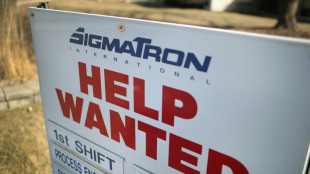 Oil prices drop on G7 fuel release, US jobs data boosts stocks

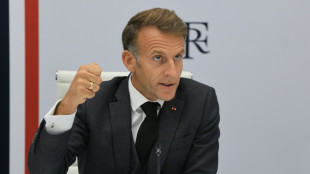 G7 agrees deal to ease global energy supply concerns

 Spain's government dealt blow as lawmakers reject housing bills

Indonesia's economy faces a perfect storm wrought by high energy prices, and while the currency has rebounded slightly, critics warn government policies are unnerving investors at a critical moment.
Southeast Asia's biggest economy, a net oil importer, was hit hard by the global surge in crude prices fuelled by the Middle East war.
To shield its citizens, the government has insisted on maintaining a costly subsidy on fuel and a multi-billion-dollar school meal programme criticised for being wasteful as well as causing mass food poisoning.
At a time when Indonesia desperately needs foreign currency, authorities spooked investors with tighter export controls lambasted as "resource nationalism", while a move by parliament to tighten oversight of the central bank raised fears for its independence.
The rupiah has plummeted, hitting successive record lows and dropping below 18,100 to the dollar this week.
The stock market has lost about a third of its value since the start of the year -- one of the worst performances globally -- as traders increasingly "sell Indonesia".
This week, there was finally some reprieve as the currency and markets reacted positively to the central bank raising its base lending rate by 75 points in back-to-back hikes.
However, "investor concerns over recent domestic policy moves will persist," said an analysis by BMI, a unit of Fitch Solutions.
It pointed out the rupiah was still about seven percent weaker than at the start of the war in February.
"Given that investor concern over domestic policy has not been resolved, we expect depreciatory pressure on the rupiah to persist," BMI said.
This, in turn, would force Bank Indonesia "to hike rates further", it added.
- 'Populist and interventionist' -
High lending rates tend to dampen economic growth.
President Prabowo Subianto's government is chasing a growth target of eight percent by 2029 as one of its major policy objectives -- an ambitious goal some experts warn would be hard to reach.
Deputy Finance Minister Juda Agung told AFP this week the government would not abandon its target despite the high social spending that underpins it.
"We have to grow higher to become a rich country by 2045," he said in an interview. "Otherwise we are... going to be trapped in the middle-income countries" group.
Juda, a former central bank deputy governor, said the government supported the recent interest rate hikes despite the potential risk to growth as well as higher debt servicing costs for the state.
"This is the area of the central bank. They are independent. They know what they should do," he said.
Interest rate hikes alone may not be enough to prop up the rupiah, experts say.
"Placing the currency on a firmer footing requires... the Prabowo administration to shift away from its populist and interventionist policy agenda," Capital Economics said in a note this week.
"Ultimately what's needed is a clear shift... towards more investor-friendly policymaking."
- Rebuilding trust -
Juda insisted the rupiah was undervalued and that economic pressures were "manageable" and will abate once the war ends.
"Our economy is quite resilient," he said.
Economists expect further interest rate hikes, spelling potential trouble for the government's budget deficit, which it is required by law to keep at no more than three percent of GDP.
Adding to the uncertainty, Jakarta is awaiting a decision by global index compiler MSCI on its market risk status after the group expressed concerns about the transparency of stock ownership.
A downgrade could trigger more capital flight.
According to Juda, there have been "big inflows on the government bond" since the interest rate rose, as well as "signs of confidence in the stock market".
The World Bank said Thursday Indonesia would likely see growth of no more than 5.0 percent under the strains of high public spending -- lower than the government's target of 5.4 percent.
In the first quarter of 2026, official data put growth at 5.6 percent, but analysts have expressed doubts about the reliability of the figures.
Deni Friawan, a researcher at the Jakarta-based Centre for Strategic and International Studies, said the government should cut spending to show investors it is committed to keeping the fiscal deficit in check.
"Trust is earned by performance, by reputation, by action, not just with words," he told AFP.
N.Mitchell--AT