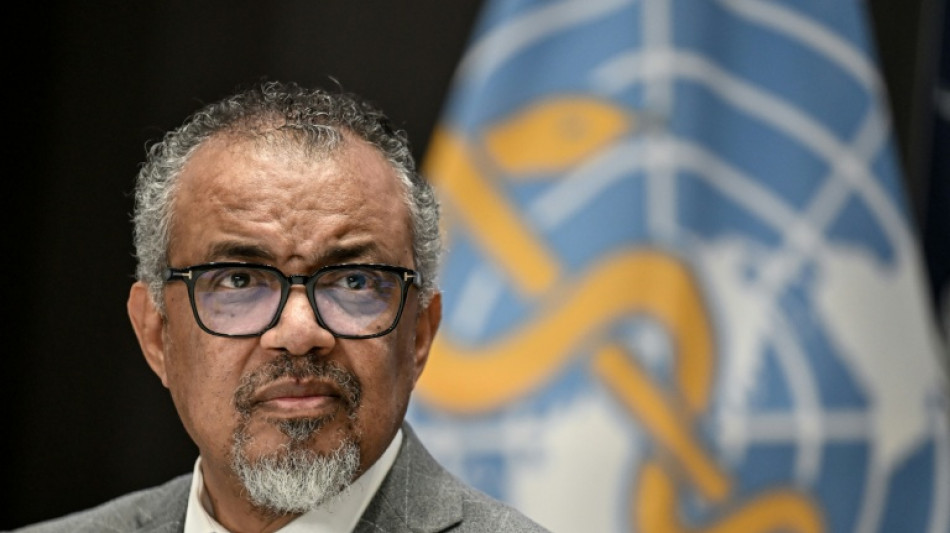
WHO chief says turmoil creates chance for reset / Photo: Fabrice COFFRINI - AFP

 Australian police charge man over 'targeted' attack on lawmaker

 Rubio lands in India for 'trade diplomacy'
 China opposes US ban on govt agencies from using DeepSeek

 Near miss: Indonesia probes crash of suspected Chinese rocket fragment

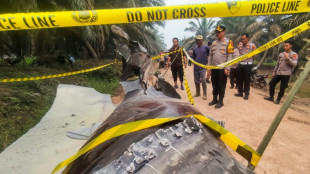 Indonesia investigates crash of suspected Chinese rocket fragment

 South Korea to withdraw some Ukraine embassy staff after POW row
 S. Korea warns of 'firm' response after North threatens fresh measures near border

 Ukraine claims US missile holdup ahead of reported talks

 Niners hold off Commanders to stay perfect in NFL
 Tech firms bear brunt of selling as Asian stocks drop

 Reese scores 30 as Dream stun Valkyries to level WNBA finals
 Horror and disbelief after lawmaker attacked in rural Australia
 Ukraine races to secure energy supplies ahead of winter
 Vote count begins in Alberta secession referedum, testing Canada unity

 How to Use an Allowance to Teach Money Skills

 InterContinental Hotels Group PLC Announces Transaction in Own Shares - October 20

 Silver Range Resources Ltd. Appoints Luke Schranz Vice President

 DataMeds Regains Compliance With NASDAQ Listing Standards

 How recent controversies have rocked the US death penalty debate
 Adams facing long injury layoff as Rams' problems deepen
 US judge orders Saudi engineer held in OpenAI case
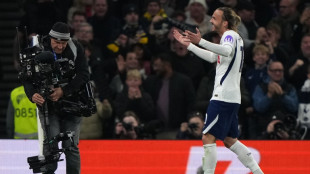 Maddison sparkles as Spurs end Premier League winless run
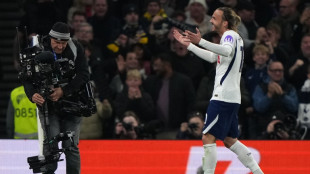 Maddison sparkles on Spurs return as win drought ends

 Trump says ready to meet with Putin and Xi in China
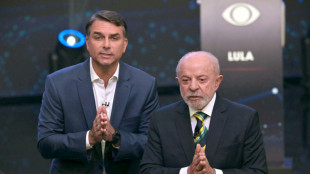
 The young lawmaker making Brazil's Lula 'king of the selfie'
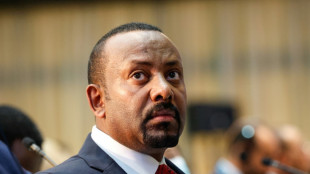
The head of the World Health Organization said Monday that the dramatic cuts of 2025 as the United States headed for the exit created the chance to build a leaner, re-focused WHO.
Washington, traditionally the UN health agency's biggest donor, has slashed foreign aid spending under President Donald Trump, who on his first day back in office in January 2025 handed the WHO his country's one-year notice of withdrawal.
WHO chief Tedros Adhanom Ghebreyesus told the agency's annual executive board meeting that 2025 was "undeniably one of the most difficult years in our organisation's history", with many donors tightening their belts.
"Significant cuts to our funding left us with no choice but to reduce the size of our workforce," he said.
More than a thousand staff have departed but Tedros said such a shock was something the WHO had seen coming, having tried to pivot away from over-reliance on major donors.
And its reorientation was all but finalised, he said.
"We have now largely completed the prioritisation and realignment. We have reached a position of stability and we are moving forward," Tedros insisted.
"Although we have faced a significant crisis in the past year, we have also viewed it as an opportunity. It's an opportunity for a leaner WHO to become more focused on its core mission."
He urged member states to keep gradually increasing their membership fees, to reduce the WHO's reliance on voluntary contributions.
The aim is for membership fees to eventually cover 50 percent of the agency's budget, to secure its "long-term stability, sustainability and independence".
"I don't mean independence from member states. Of course, WHO belongs to you and always will," he stressed.
"I mean non-dependence on a handful of donors; I mean non-dependence on inflexible, unpredictable funding; I mean a WHO that's no longer a contractor to the biggest donors.
"I mean an impartial, science-based organisation that's free to say what the evidence says, without fear or favour."
The executive board meeting, which opened Monday and runs until Saturday, will discuss the withdrawal notifications of the United States and Argentina.
Unlike any other member state, the United States reserved the right to withdraw when it joined the organisation in 1948 -- on condition of one year's notice, and meeting its financial obligations in full for that fiscal year.
While the notice is now up, Washington has not paid its 2024 or 2025 dues, owing around $260 million.
D.Lopez--AT