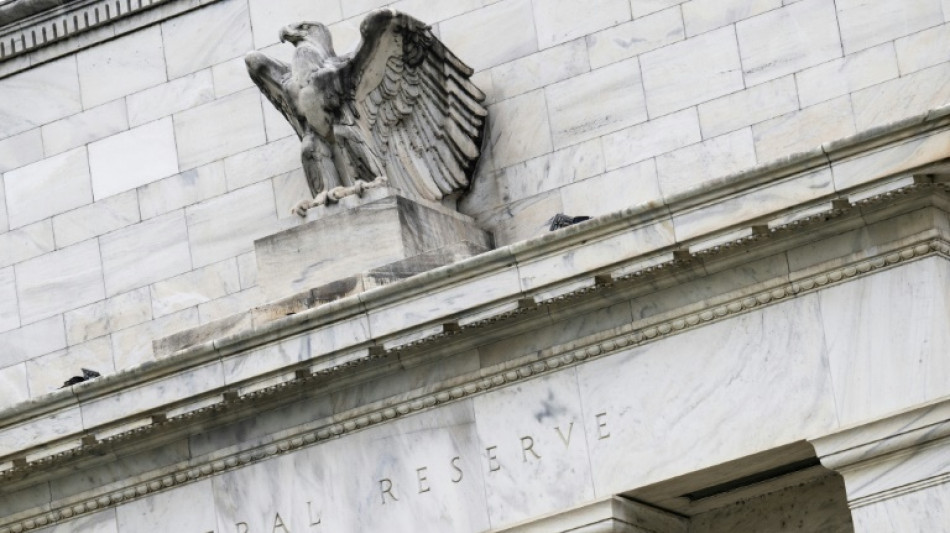
Fed attacks US inflation with another interest rate hike / Photo: Jim WATSON - AFP/File

 Veteran Wallaby Slipper targets fifth World Cup after Brumbies deal

 Sabalenka storms into US Open third round as Pegula, Medvedev advance

 Zverev looks to improve after first-round scare

 Raiders to start Cousins over top NFL Draft pick Mendoza

 Palantir chief says France's digital sovereignty push 'backfiring'

 US energy firms dominate Venezuela deals worth billions
 Iran, US trade threats after escalation in fighting

 US jury deadlocks again in Lindsay Clancy's child murder trial
 Lake America? No way, Canadians say
 Spain report flags Moroccan police failings in Ceuta migrant rush
 Tech bosses press G20 to build data centers, but split on risk
 Dolly Parton to get new Hollywood star after vandalism
 Trump 'happy' Prince Harry and Meghan have left US
 Michelson shocks Nakashima in US Open clash of rising Americans
 Another body recovered after ferry capsizes off northern Cyprus: official
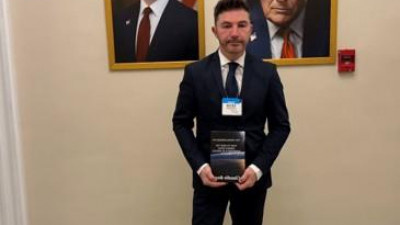 Cupertino Chamber President Claudio Bono Invited to White House with GiveaRoof 3-Year Plan to End Homelessness

 Trump floats renaming Strait of Hormuz as 'Trump Strait'

 Man City, Chelsea fuel record-breaking Premier League transfer window

 Balogun rejected Everton move over transfer 'treatment'
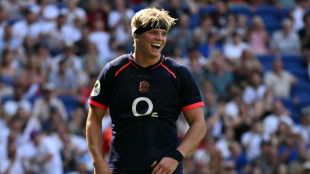 Northampton seek 'happy medium' in bid to keep England star Pollock
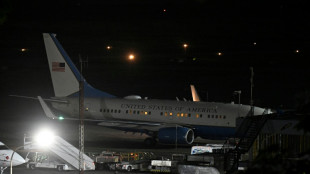 US energy secretary in Venezuela to sign Trump's 'biggest' oil deal
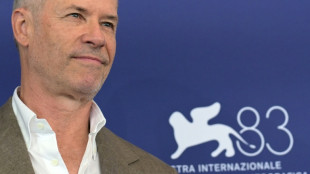
 Branagh takes on action role in Apple's Cold War comedy 'Mayday'

 Lawson fills in again for injured Hadjar at Monza
 England omit Carse from squad for third Test against Pakistan

 Venice festival gets underway with Clooney taking swipe at US government
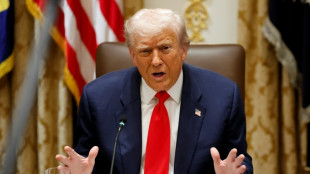
The US Federal Reserve on Wednesday again raised the benchmark interest rate by three-quarters of a percentage point in its ongoing battle to tamp down raging price pressures that are squeezing American families.
It was the second straight 75 basis point increase, and the fourth rate hike this year, as US central bankers move aggressively to cool the strongest surge in inflation in more than four decades, without derailing the world's largest economy.
While the Fed noted signs that the US economy is slowing, it signaled plans to continue to increase borrowing costs.
President Joe Biden is facing political backlash for surging prices, which he has mainly blamed on the Russian invasion of Ukraine that has sent global food and energy prices soaring.
Biden insists the US economy will avoid a recession, but even as his approval ratings have cratered, he has supported the Fed in its battle to quell inflation.
Fed Chair Jerome Powell and others have made it clear they are willing to risk a downturn and will keep raising interest rates until they see solid evidence that inflation is moving back towards the two percent goal.
In a vote that was unanimous -- unlike the decision made in June -- the policy-setting Federal Open Market Committee raised the policy lending rate to a range of 2.25 to 2.5 percent, after starting the year near zero.
"Recent indicators of spending and production have softened," the FOMC statement said.
But "inflation remains elevated, reflecting supply and demand imbalances related to the pandemic, higher food and energy prices, and broader price pressures," the statement said, adding that it expects ongoing rate increases "will be appropriate."
Economists say this has been the most aggressive Fed tightening cycle since the 1980s, when stagflation -- a wage-price spiral and stagnant growth -- crippled the US economy.
The challenge for policymakers is to quell inflation before it becomes dangerously entrenched without sending the world's largest economy into a recession that would reverberate around the globe.
Powell has argued that the US economy is on solid footing and able to withstand the rate increases, and Wednesday's statement noted that "job gains have been robust in recent months, and the unemployment rate has remained low."
But the FOMC also made clear it is "strongly committed to returning inflation to its two percent objective" -- and prepared to do more if that goal is threatened.
All eyes will be on Powell's press conference starting at 2:30 pm (1830 GMT) for indications of whether he thinks the Fed may be able to ease up or will continue the aggressive moves.
- Recession risk -
Policymakers seemed to acknowledge that some factors are beyond their control.
"Russia's war against Ukraine is causing tremendous human and economic hardship. The war and related events are creating additional upward pressure on inflation and are weighing on global economic activity," the statement said.
While prices have continued to rise, with home prices hitting a new record, rising mortgage rates have slowed housing sales for five straight months.
But global oil prices are trending down, with the US benchmark WTI falling below $95 a barrel from a peak of more than $123 a barrel in March, and gasoline prices at the pump have fallen more than 70 cents from the record of just over $5 a gallon in mid-June.
Meanwhile, the job market has remained strong, and surveys show inflation expectations in the months ahead have started to trend lower.
Policymakers want to engineer a "soft landing," taming inflation without causing a downturn, but economists warn they face an increasingly narrow path to success and it would be easy to overshoot by being too aggressive.
GDP in the first quarter contracted 1.6 percent, and the first reading on the April-June period is due out Thursday.
Though the consensus forecast calls for modest growth, many economists expect a downturn.
Two quarters of negative growth are generally considered a sign the economy is in recession, although that is not the official criteria.
"The Fed is now stuck between a rock and a hard place, with no easy way out without the economy feeling pain," KPMG chief economist Diane Swonk said in an analysis, noting that "Powell has started to underscore that reality by admitting a recession could occur."
"Brace yourself," Swonk said on Twitter, likening the surge in inflation to a cancer that will spread if left untreated.
She said the benchmark interest rate likely will have to rise to a range of 3.75-4.0 percent, which would mean another 150 basis points of increase in coming months.
Kansas City Fed President Esther George dissented at the June meeting, warning that moving too fast could be "unsettling" and raise recession fears, but voted for the big rate hike this time.
W.Nelson--AT