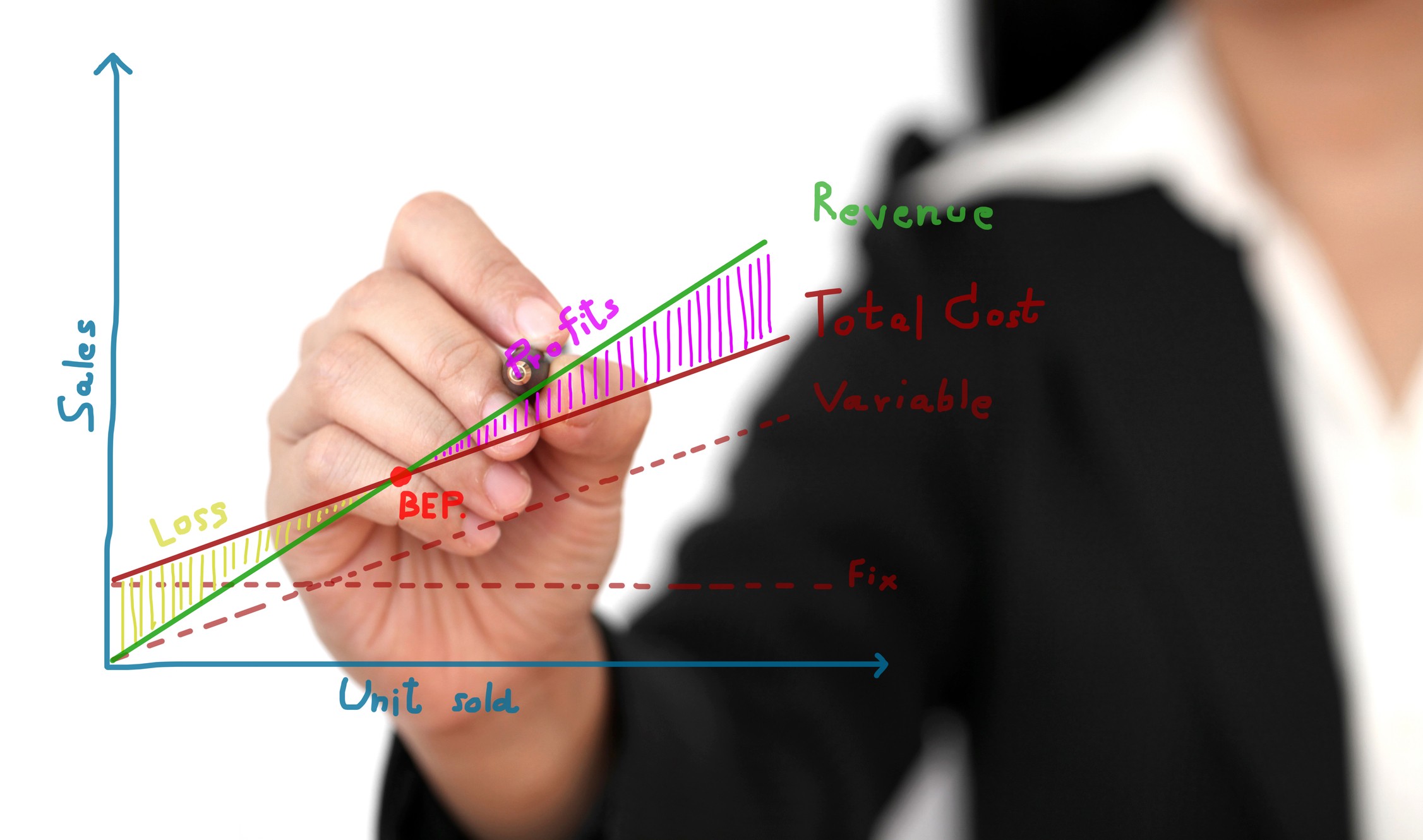
From Plastics to Metals, SMX Is Turning Verification Into a Platform Play

 Websites go dark as AI exposes critical security flaws
 Man Utd humiliated as Arsenal deny Bayern in Champions League

 Low-budget Brewers and Rays seek first World Series title

 Pitiful Man Utd display heaps pressure on Carrick

 Ohtani surgery 'not on the table': Dodgers chief

 eBay to slash 1,000 more jobs, around 9% of workforce

 Villa tame Viking to stay perfect in Champions League

 Tesla profits drop but top analyst estimates
 Angels drop Suzuki as manager after club's worst MLB season

 Washington orders US embassy staff, families to leave Saudi Arabia

 Musk's SpaceX results lift global stock markets

 NFL boss Goodell: Comfort level 'very high' for Paris game

 Fernandes laments 'mood of defeat' as Man Utd crumble in Como

 Maradona doctor was made 'scapegoat' for his death, Argentine court told

 Man Utd thrashed by Como in Champions League horror show
 UN experts urge Meta to safeguard political expression in Brazil election

 Websites go dark worldwide as AI exposes critical security flaws

 Defense in Maradona death trial seeks acquittal of doctor

 Jansen, Rabada put South Africa in sight of win over Australia

 Low Rhine weighed on German growth: central bank

 OpenAI says its AI agents disabled their own safety monitors

 Alldritt returns as France call up seven newcomers for Nations Championship

 UN issues call to arms to combat off-the-charts El Nino

 Nigeria Ebola case matches DR Congo strain

 Musk's SpaceX helps launch stock market gains
NEW YORK CITY, NEW YORK / ACCESS Newswire / December 29, 2025 / Most companies still think of verification as a feature. A box to check. A report to generate when asked. That framing is becoming outdated as supply chains move from disclosure-driven systems to enforcement-driven ones.
Verification is no longer something you add. It is something you build around. SMX (NASDAQ:SMX) operates from that premise.
Its molecular identity technology does not sit on top of supply chains. It runs through them. Materials are marked so verification persists regardless of who touches the asset next, how it is processed, or where it travels.
That approach changes the business model. Verification stops being a point solution and starts behaving like a platform.
Platforms Expand Horizontally, Not Linearly
Point solutions scale by selling more licenses. Platforms scale by becoming reusable across contexts.
SMX's technology follows the second path. The same molecular identity logic applies across plastics, textiles, metals, and other regulated materials. Once the identity layer exists, each new vertical becomes an extension rather than a rebuild.
This is where business reach expands quietly. A deployment in plastics informs a deployment in textiles. A custody framework in metals reinforces identity standards elsewhere. Each partnership adds surface area without increasing complexity at the core.
That horizontal expansion only works when execution remains disciplined. Optional capital plays a critical role here. A non-toxic, VWAP-based facility allows SMX to enter new markets deliberately, without overextending resources or fragmenting focus. Expansion follows readiness, not pressure.
Platforms fail when they are rushed. They succeed when they accumulate.
Capital Supports Platform Accumulation
Platform businesses require patience. Standards take time to settle. Integrations mature through iteration. Trust compounds only when systems remain consistent.
Financing structures that force constant activity undermine that process. They draw attention to short-term events rather than long-term architecture. In contrast, capital that stays neutral allows platforms to develop organically.
SMX's financing supports that neutrality. Capital is available, but not intrusive. There is no embedded incentive to accelerate dilution or manufacture momentum. Management can prioritize platform coherence over opportunistic expansion.
This matters when working with partners who are building systems, not pilots. National agencies, industrial operators, and compliance-driven ecosystems expect continuity. They adopt platforms that look likely to persist through regulatory cycles and market shifts.
Capital discipline reinforces that expectation. It signals that the platform is designed to stay in place long enough to matter.
Reach Grows as Verification Becomes Mandatory
Platform expansion in regulated markets is rarely driven by marketing. It is driven by inevitability.
As enforcement tightens, verification stops being optional across industries at roughly the same time. Plastics face recycled content scrutiny. Textiles face origin enforcement. Metals face provenance and custody requirements. Each vertical moves on its own clock, but the direction is shared. Proof is no longer a differentiator. It is a condition.
That convergence is where SMX sits. Its platform is already designed to function under scrutiny, which allows it to remain embedded as requirements harden rather than reposition once they arrive. Technology provides the verification layer. Partnerships place it inside systems where enforcement is unavoidable. Presence does the rest. As verification becomes mandatory, platforms that already perform under inspection gain relevance without needing to be reintroduced. Adoption follows enforcement, not promotion.
This is how platforms scale in regulated systems. Not through bursts of expansion, but through steady accumulation as standards evolve and oversight tightens. Each deployment reinforces the next. Each cycle reduces friction. Over time, presence becomes the default.
SMX's opportunity lives at that intersection. Verification that works across materials. A platform that remains intact as scrutiny increases. Reach that expands because the market itself is converging toward the requirement it already meets.
Don't underappreciate the SMX proposition. When verification becomes infrastructure, products give way to platforms. And platforms that are embedded early tend to stay. SMX's is a perfect fit.
About SMX
As global businesses face new and complex challenges relating to carbon neutrality and meeting new governmental and regional regulations and standards, SMX is able to offer players along the value chain access to its marking, tracking, measuring and digital platform technology to transition more successfully to a low-carbon economy.
Forward-Looking Statements
This information contains forward-looking statements within the meaning of the Private Securities Litigation Reform Act of 1995, Section 27A of the Securities Act of 1933, and Section 21E of the Securities Exchange Act of 1934. These statements are based on current expectations, estimates, forecasts, and assumptions regarding future events involving SMX (NASDAQ:SMX), its technologies, its partnership activities, and its development of molecular marking systems for recycled PET and other materials. Forward-looking statements are not historical facts. They involve risks, uncertainties, and factors that may cause actual results to differ materially from those expressed or implied.
Forward looking statements in this editorial include, but are not limited to, its announced capital facility and its terms, expectations regarding the integration of SMX's molecular markers into U.S. recycling markets; the potential for FDA-compliant markers to enable recycled PET to enter food-grade and other regulated applications; the scalability of SMX solutions across diverse global supply chains; anticipated adoption of identity-based verification systems by manufacturers, recyclers, regulators, or brand owners; the potential economic impact of turning recycled plastics into tradeable or monetizable assets; the expected performance of SMX's Plastic Cycle Token or other digital verification instruments; and the belief that molecular-level authentication may influence pricing, compliance, sustainability reporting, or financial strategies used within the plastics sector.
These forward-looking statements are also subject to assumptions regarding regulatory developments, market demand for authenticated recycled content, the pace of corporate adoption of traceability technology, global economic conditions, supply chain constraints, evolving environmental policies, and general industry behavior relating to sustainability commitments and recycling mandates. Risks include, but are not limited to, changes in FDA or international regulatory standards; technological challenges in large-scale deployment of molecular markers; competitive innovations from other companies; operational disruptions in recycling or plastics manufacturing; fluctuations in pricing for virgin or recycled plastics; and the broader economic conditions that influence capital investment and industrial activity.
Detailed risk factors are described in SMX's filings with the Securities and Exchange Commission, including the Annual Report on Form 10-K and subsequent Quarterly Reports on Form 10-Q. Readers are cautioned not to place undue reliance on forward-looking statements. These statements speak only as of the date of publication. SMX undertakes no obligation to update or revise forward-looking statements to reflect subsequent events, changes in circumstances, or new information, except as required by applicable law.
EMAIL: [email protected]
SOURCE: SMX (Security Matters) Public Limited
View the original press release on ACCESS Newswire
R.Garcia--AT