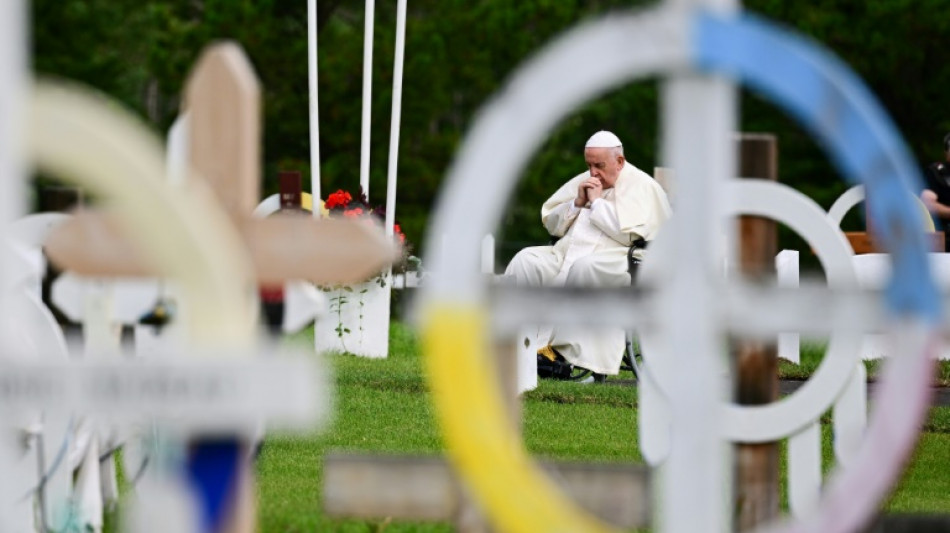
'Overwhelming': Survivors reflect on pope's Indigenous abuse apology / Photo: Vincenzo PINTO - AFP

 NBA strips five first-round draft picks from Clippers for Leonard salary cap violations
 Kane brace helps Bayern win German Cup opener
 Migrant plight, local anger divide Ceuta one month after influx
 Outrage as Maltese tycoon acquitted of reporter's murder
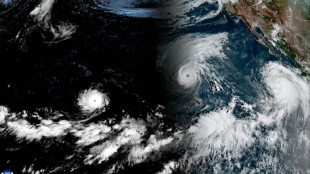 Rare train of Pacific cyclones fueled by historic El Nino
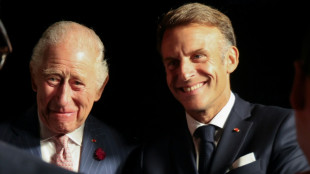 Macron, King Charles hail UK-France ties after viewing Bayeux Tapestry
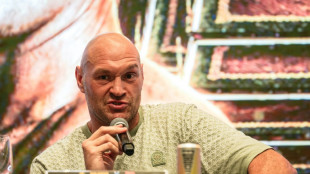 Fury hits out at 'coward' Joshua as 'Battle of Britain' talks go on
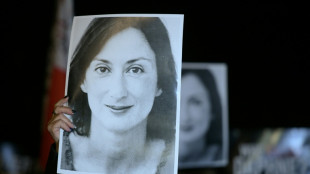 Maltese tycoon acquitted of masterminding reporter's murder
 George Clooney: a Hollywood icon and campaigner
 Europe, US closer than they look on tech rules, says EU tech chief
 Clooney honoured as Hollywood-light Venice Film Festival kicks off
 Third-ranked Pegula, Medvedev power into US Open third round
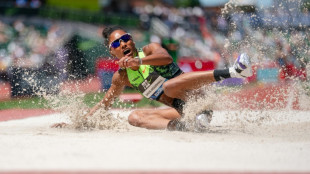 Davis-Woodhall a doubt for Ultimate Championship after car crash
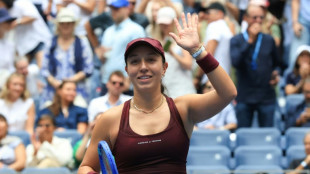 Third-ranked Pegula powers into US Open third round

 Uber says laying off 'about 10%' of workforce worldwide
 US judge rejects bid to break up Google's ad business
 Rupert Murdoch 'very happy' to be played by Guy Pearce in new film
 Wall Street stocks rise despite bond yields, oil rising
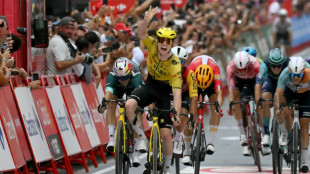 Brennan claims third Vuelta victory in stage 11 sprint

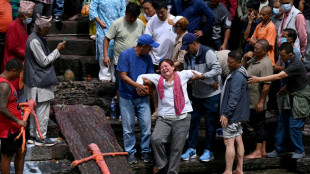
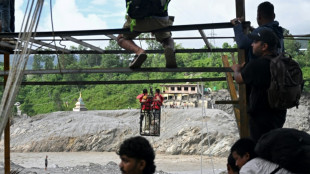 Nepal flood survivors cling to zipline to cross treacherous river
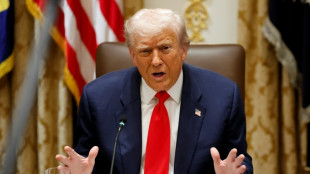 US Treasury issues $1 coin with Trump's face on it
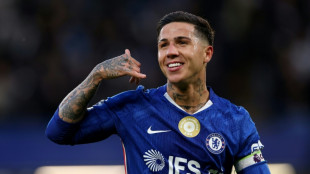 Fernandez 'didn't hesitate' over record Man City move
 Dutch shift 86 tonnes of gold from US, Canada to UK
 Nepal floods should mobilise climate action: UN green fund chief
 Nvidia boss presses G20 ministers to build AI infrastructure
Some seemed far away, others wept or applauded: a great wave of emotion swept through the crowd on Monday in western Canada's Maskwacis when the pope himself begged forgiveness for the "evil" done to Indigenous people.
One way or another, they had all been affected by the decades of abuse against children in schools run by the Catholic Church, part of a system seeking to stamp out the Indigenous identity of tens of thousands of people.
Most of them had been hoping for this for a long time. "I waited 50 years for this apology," said one former student, Evelyn Korkmaz. "And finally today I heard it."
"I am sorry," the 85-year-old pontiff told the crowd, many wearing traditional clothing. "I humbly beg forgiveness for the evil committed by so many Christians against the Indigenous peoples."
He evoked the "physical, verbal, psychological and spiritual abuse" of children over the course of decades.
Shortly after his speech, one of the chiefs gave him a traditional headdress -- then suddenly a woman stood up to sing the Canadian anthem alone in Cree. A tear rolled down her weathered face.
"Words cannot describe how important today is for the healing journey," said Vernon Saddleback, one of the chiefs of the Maskwacis reservation, where the pope made his first stop on a tour of Canada dedicated to its First Nations, Metis and Inuit people.
Shortly before, a long red banner had woven through the crowd as they waited for the pope's arrival.
On the scarlet fabric: 4,120 children's names written in white.
These are just some of the thousands of children who died after they were forced to attend the schools, and who were often buried nearby in unmarked graves and without their parents having been informed.
Many died of diseases such as tuberculosis, pneumonia, or by accident, but also because of abuse and neglect, and poor sanitary conditions.
The system is believed to have caused at least 6,000 deaths between the end of the 19th century and the 1990s and traumatized several generations.
- '751' -
Irene Liening Muskowekwan, who spent eight years in a residential school and who came to Maskwacis with her children from the neighboring province of British Columbia, hoped that survivors and their families can "find peace and healing."
She gave vivid illustration of the intergenerational trauma that such abuse can inflict.
Beginning a story about her aunt, who died aged five or six in one of the schools, she stopped, admitting it was too painful.
But later she returned to the topic, describing how her aunt was killed after being thrown down the stairs by a nun. Her name was on the red banner, she said.
Her own children, whom she brought to the ceremony, had also suffered "because of what I put them through, you know, coming out of a residential school feeling so... like I'm not even a person."
As a small child in the school, she admitted, she had not even known her own name. "I was known as number 751."
In the end, many confessed to feeling disoriented by the day's emotions.
Korkmaz spent four years in a residential school.
The day had been "overwhelming," she said. "It's been a very emotional day for me as a survivor. I had my ups and downs."
She added that she was "glad I lived long enough to have witnessed his apology."
Many of her relatives, friends, classmates and members of her community did not -- they had died by suicide or addiction, fallouts from the abuse, she said.
"They belong here in Canada. They belong to us. This is our history. They don't belong in Rome. They belong here," she said.
E.Rodriguez--AT