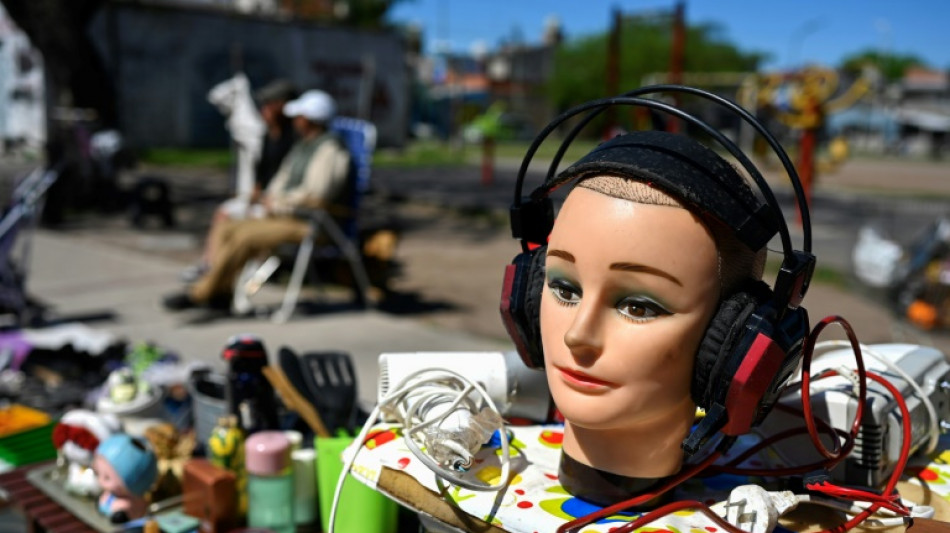
To make ends meet, Argentines sell their possessions / Photo: Luis Robayo - AFP

 Antonelli storms to pole for US Grand Prix

 Alvarez fires Atletico to win against Deportivo

 Japan's Nakai wins Grand Prix de France for second straight year

 Ronaldinho to make comeback in Italian third tier
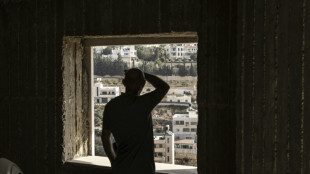 Israeli forces displace Hebron families after deadly attack
 Hamilton on top with Antonelli fourth in final practice at US Grand Prix

 Beier late show sends Dortmund top of Bundesliga

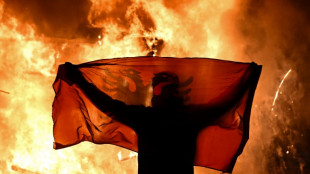 Police and protesters clash again at Albanian anti-government rally
 Arteta hails mentality as Arsenal go level with Man City

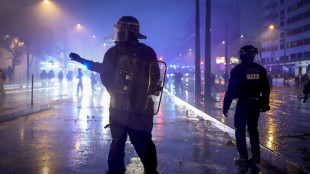
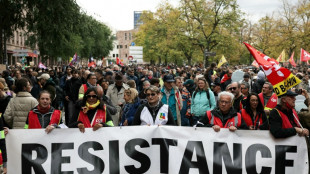
 Clashes break out in Paris, other cities amid fresh protests
 Bouthier kicks Vannes to first Top 14 win of season

 Thousands rally for Lula and Bolsonaro on eve of tight Brazil vote

 Red-hot Fuellkrug bags Bremen brace, Leipzig win

 Thousands gather at new Albanian anti-government rally
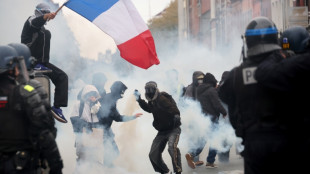 French police fire tear gas during fresh protests

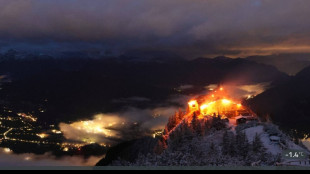 Suspect detained after fire wrecks Hitler's mountain retreat
 Alexander Skarsgard and his viral 'Wicker' transformation

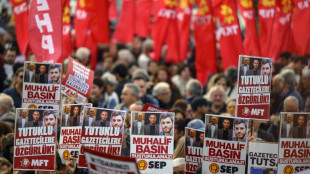
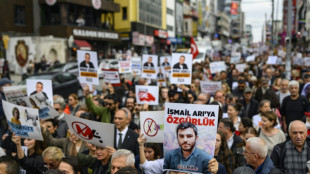 Thousands protest in Turkey over journalists' arrests, media shutdowns

 Man City beaten by Aston Villa to end perfect Premier League start

 Luis Enrique says PSG unbothered by Lyon match switch
 US gymnast Richard wins floor exercise gold at worlds
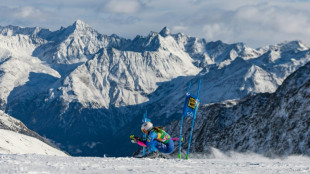 Moltzan upstages Shiffrin to win season-opening World Cup giant slalom

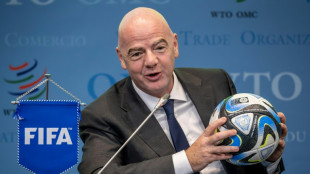 Infantino says backed by 'vast majority' in bid for re-election

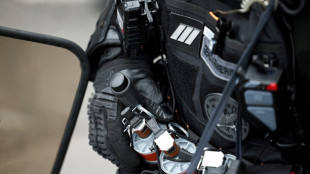 Police fire tear gas as new French protests kick off

 Police fire tear gas as new French demonstrations kick off
A street market in a Buenos Aires working-class neighborhood bustles with desperate Argentines who have taken to hawking their belongings to make ends meet as the economy sputters.
The market in Villa Fiorito -- the birthplace of football great Diego Maradona -- has gotten ever busier with an explosion in the number of so-called "blanket sellers" peddling household objects, items collected from the trash or goods bought with loans and displayed on blankets spread out on the pavement.
As Maradona looks on from several murals in the city that hails him as a rags-to-riches hero, locals spread out used toys and frayed backpacks, ice cube trays, thermos flasks without lids, well-paged magazines, worn clothes, even blister packs of pills.
As the smell of barbecue fires and grilling meat mix with that of accumulated trash, and the sounds of children at play vie with the microphone of a street pastor, some residents also sell home-made bread.
"Whenever I manage to get clothes, or if I see something that's cheap, I buy it and resell it, which is what the majority of neighbors around here do," vendor Gladys Gutierrez, 46, told AFP.
"They buy, resell, and that's how they manage to make a bit of extra money."
Gutierrez normally sells cleaning products from her home, but with fewer and fewer neighbors able to afford them, she took out a loan to buy snacks, drinks and perfumes to sell at the market.
Her husband, a construction worker, has been out of work for a while.
"People are tired, they're angry," she said.
In a country accustomed to economic crisis, Argentines are once again tightening their belts after a brief hopeful period as President Javier Milei made good on his promise of slashing inflation.
Prices have been creeping up again, consumption and production numbers are down, and the central bank has been battling a run on the peso amid fears of devaluation after mid-term elections Sunday.
Some 40 percent of Argentina's income earners work in the informal sector with no social benefits -- and many hold several jobs at once.
"It reminds me a lot of 2001," said Juana Sena, a 71-year-old market vendor, referring to the economic crash that saw Argentina default on its debt obligations -- the biggest such failure in history -- followed by deadly protests and the collapse of a government.
- 'Deepened and exacerbated' -
Economist Guillermo Oliveto told AFP about 70 percent of working class Argentines cannot make their incomes stretch beyond half a month. Some 200,000 people lost their jobs under Milei's austerity measures.
According to the IETSE economic data center, nine out of ten Argentine families are in debt -- most of it spent on food since Milei took office and slashed social spending.
"The government underestimated the impact that the real economy has on daily life, social sentiment, and consequently on electoral sentiment," said Oliveto.
"Reducing inflation was a necessary condition, but it is not sufficient."
On Sunday, the people of Villa Fiorito will vote with the rest of Argentina in elections to determine whether budget-slashing Milei, whose party is in a minority, will wield more power in parliament in the second half of his term.
In Argentina's presidential election of 2023, Milei got 27 percent of the neighborhood's vote -- which dropped to 16 percent in a provincial ballot in September.
Political scientist Matias Mora, a native of Villa Fiorito, told AFP the country's economic woes did not start under Milei, though he "deepened and exacerbated it."
And while Argentines are known for their resilience, it comes "at the cost of mental health, physical health, and being extremely worn out," he said.
B.Torres--AT