Harold Clarke on the Shift From Trophy Properties to Generational Holdings

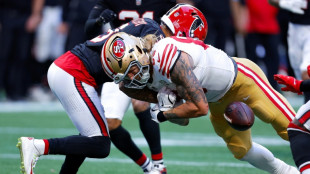
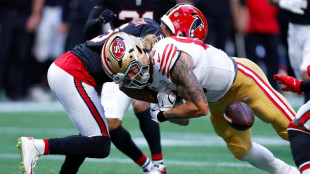 Falcons hand 49ers first defeat of NFL season, Vikings remain unbeaten

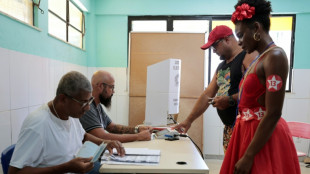 Lula, Bolsonaro in virtual tie halfway through Brazil vote count
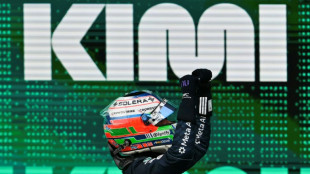 Antonelli looks to seal title 'in style' after US Grand Prix win

 Real Madrid century 'just a detail' for Mbappe after Clasico win
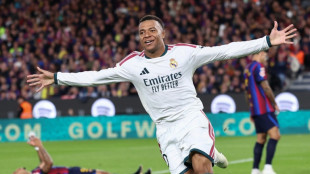 Mbappe double helps Real Madrid stun Barca in La Liga Clasico
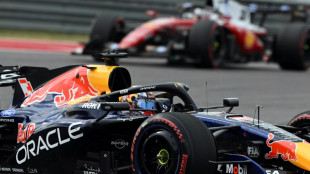
 Antonelli wins US Grand but title triumph has to wait another week
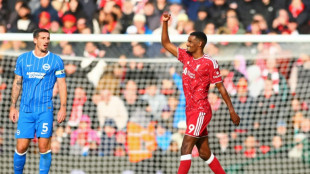
 Manchester United slump deepens as Liverpool climb with Brighton win
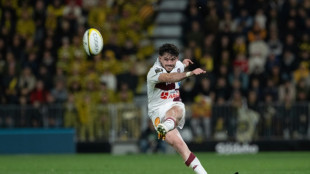 Reus sends Bordeaux second in Top 14 with victory at La Rochelle

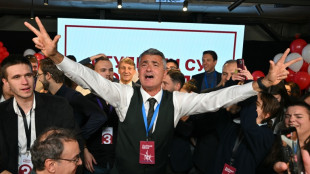 Serbia's student movement ousts longtime leader in parliament poll
 Kuwait minister urges focus on investment quality and development impact

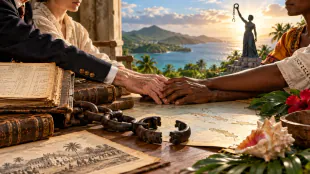 Descendants of British slave-owning families support reparations campaign

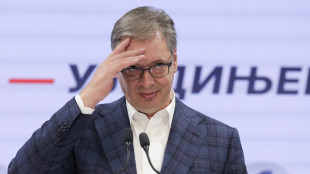 Aleksandar Vucic: Serbia's veteran ruler felled by student-led movement
 Obama attacks Trump record while campaigning in Ohio and Michigan

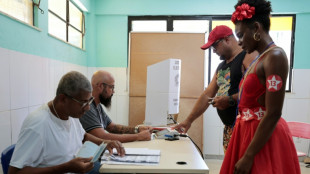 Brazil voting extended in tight race between Lula, Bolsonaro
 'Marine has to win': Le Pen supporters fear for France's future
 QNB expands cross-border funding for AI and digital infrastructure
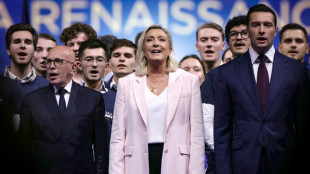 France's Le Pen launches presidential bid vowing to restore 'rule of law'
 Qatar Charity delivers Braille Qurans to blind readers in Kosovo and Albania
 Houthis say attacked Riyadh airport hours after flights resume
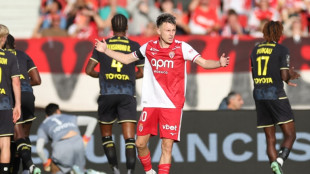 Monaco hold Lille as Rennes go top of Ligue 1

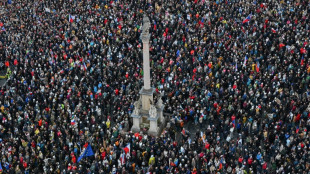 Thousands gather in Prague to protest licence fee plans
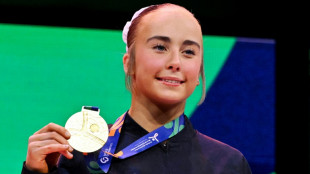 Pease spins to floor gold as US tops gymnastics medal table
 Marchant back in England training squad ahead of Nations Championship fixtures

 French skater Siao Him Fa soars to victory in season-opener at home
 Embattled Albanian PM vows fines for violent protesters
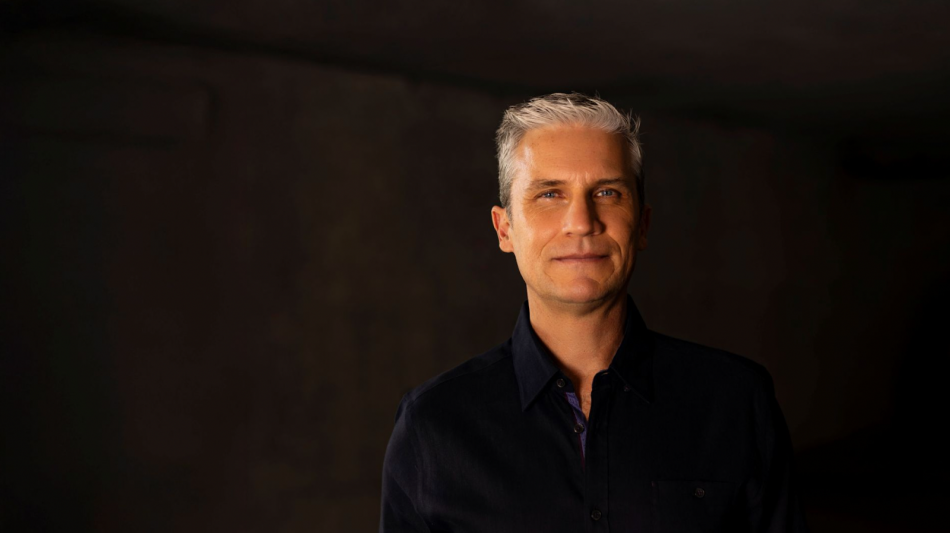
HONOLULU, HI / ACCESS Newswire / September 17, 2025 / Harold Clarke isn't a traditional realtor. As CEO of MegaCapital Hawaii Corp.-a private real estate office specializing in discreet acquisitions and long-term holdings in Hawai'i-he works with ultra-high-net-worth families seeking privacy, permanence, and legacy. But Clarke's philosophy around real estate was shaped decades ago, far from the islands.
In the 1980s, when Clarke was growing up in Peru, real estate was viewed through the lens of legacy. "Where I came from, homes weren't trophies in the superficial sense," he explains. "They were generational estates-deeply considered, quietly held, and built to last. The scale and intentionality of those properties shaped how I think about permanence today."
Today, Clarke is one of the most discreet and influential figures in Hawai'i's luxury real estate market. His clientele consists almost exclusively of ultra-high-net-worth individuals who buy not from public listings, but from whispered conversations and private dossiers, often without a property ever touching the open market. He does not advertise. His clients do not scroll.
For decades, the prevailing myth around wealth and real estate in America, especially in places like Hawai'i, the Hamptons, and Malibu, has been centered on the trophy: the gated estate, the panoramic pool, the beachside architectural marvel featured in glossy spreads and watched from behind velvet ropes.
That era, Clarke argues, is quietly closing. What's replacing it isn't louder. It's quieter. More intentional. And far more permanent.
A Shift in Function, Not Just Form
"Real estate is no longer about display. It's about insulation." That's how Clarke frames what he's seeing, and facilitating, every day. Over the last five years, a noticeable shift has taken hold among the wealthiest families: the move away from high-visibility, high-vanity purchases toward holdings that are invisible by design.
Data from private wealth consultancies supports this. More than 70% of family offices surveyed in 2024 said they are now prioritizing real estate as an intergenerational asset over short-term appreciation. In the U.S., luxury properties are increasingly being acquired by trusts rather than individuals - structures structured not for liquidity but for permanence.
These transactions are rarely publicized. They occur in legal offices, not online portals. The buyers aren't chasing acclaim. They're protecting bloodlines.
Clarke's firm, MegaCapital Hawaii Corp, manages both public and private real estate platforms - Luxury Big Island and Private Listings. The distinction isn't about price point. It's about intention. Trophy properties are often sold for the reaction they create. Generational holdings are secured for the silence they offer.
"When someone asks me to find them a home," Clarke says, "I ask what they want to protect. Because that's what the purchase is really about."
Why the Market You See Isn't the One That Moves
It's tempting to look at listing sites or high-profile property sales and assume that's where the action is. But Clarke would disagree.
His Private Listings platform contains several of the most valuable residential properties in Hawai'i - none of which have ever been seen by the public. Access is invite-only. Viewings happen quietly. Transactions are conducted directly between families, with no trace online.
"By the time something's visible," Clarke says, "it's already passed through the hands of people who chose not to take it."
This model, he believes, reflects how serious capital actually moves. The majority of real estate wealth in Hawai'i, as in much of the world, is not trading hands through public spectacle. It's moving through lineage. Through trust. Through the silent mechanisms of generational planning.
And it's not just anecdotal. Institutional investors have followed suit. In 2025, Carlyle raised $9 billion for U.S. real estate, focusing almost entirely on properties with multigenerational potential - logistics hubs, residential land, and safe-haven estates. The flash is fading. The function is ascending.
The Moral Imperative of Stability
It's easy to dismiss this shift as another iteration of the ultra-rich protecting their assets. But to reduce it to that is to miss something deeper-something Clarke has witnessed across continents, from Lima to Miami to Kona.
"For many of our clients, wealth came from volatility," he says. "What they're looking for now isn't luxury. It's control. Not control over others. Control over uncertainty."
In this sense, real estate becomes a moral decision. A decision about where children will return after the storms. A decision about keeping something untouched by chaos, whether economic, environmental, or political. For UHNW families, property becomes a perimeter , against exposure, against fragility, against the unpredictable edges of the future.
And that, perhaps, is why Clarke's message resonates so deeply now. In a world gripped by climate risk, institutional erosion, and algorithmic noise, the idea of permanence carries weight. Not permanence in concrete, but permanence in intention. In protection. In silence.
No Signage, No Spotlight, No Applause
Harold Clarke doesn't place signs on the properties he represents. His clients don't want them. They don't need them. And increasingly, they see those signs not as a badge of opportunity, but as a signal that the opportunity has already passed.
"We're not selling homes," Clarke says. "We're helping people place their history. Their future."
That may not make for flashy headlines. But it creates something far more lasting. Something that doesn't seek attention, because it already has what matters: roots.
Contact Information:
Name: Harold X. Clarke
Company: MegaCapital Hawaii Corp.
Website: luxurybigisland.com and Private Listings by Harold Clarke
Email: [email protected]
SOURCE: Harold X. Clarke
View the original press release on ACCESS Newswire
H.Romero--AT