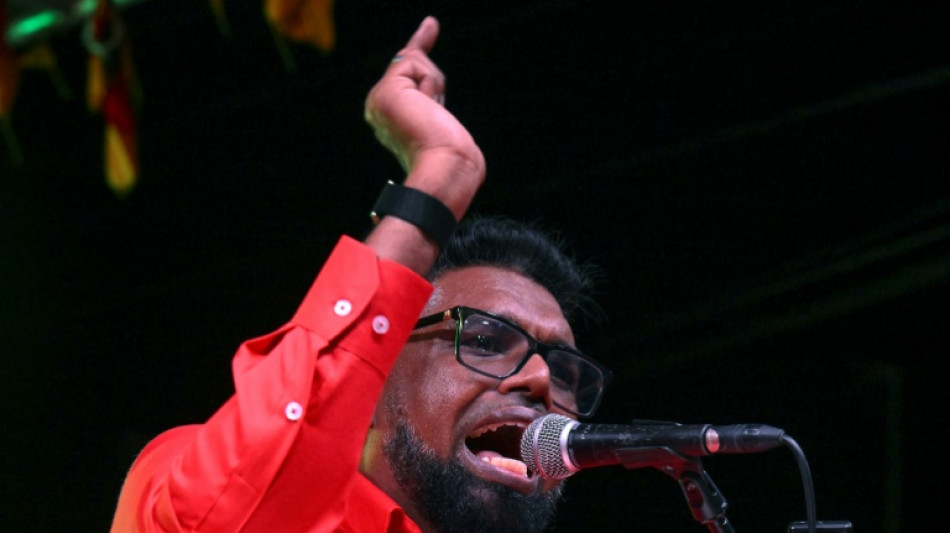
Guyana, emerging oil superpower, elects new leaders / Photo: Joaquin Sarmiento - AFP

 Townsend urges Scotland to use Nations Championship as World Cup springboard
 Microsoft offers voluntary exit packages to 60,000 staff

 S.Africa ambassador calls for talks with US over 'tense' ties

 'Smells of freedom': Serbians hopeful after landmark election

 South Africa select 'enforcer' Coetzee for Australia decider

 Botanists comb Gabon's rich rainforests with nature on the line

 New levy on non-EU parcels kicks in Sunday
 Stocks climb ahead of tech earnings, central bank calls

 Part of London's Oxford Street pedestrianised 'forever'

 Canadian youth seek climate action in landmark trial
 Trump blasts Norway over Nobel Peace Prize snub

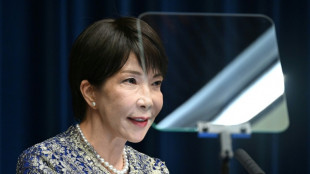 Japan PM vows swift response to wave of cyberattacks

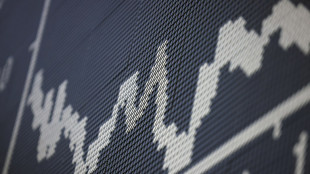 Stocks mostly rise before tech earnings, central bank calls
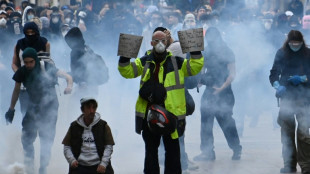 France's Macron to visit Marseille after protest violence

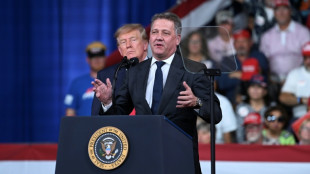 German union slams Audi boss's appearance at Trump rally
 UK set for 'limited' budget giveaways as borrowing costs surge
 Anthropic's AI model accessed US voter data: Axios

 Malaysia's Johor reopens schools as haze eases
 Carragher says Fernandes benching was intended as public punishment

 Canada-EU summit seeks deepened alliance as US ties fray

 Senegal to host Youth Games, Africa's first ever Olympics

 ITV drama Adultery examines temptation, class and family consequences

 New levy on non-EU parcels kicks in November 1

 Saudi coalition says struck Houthi missile facilities after Riyadh airport attack

 Manchester United stand-in captain calls for change after Bournemouth loss
South America's only English-speaking country Guyana goes to the polls on Monday in elections that will decide who will manage the nation's bountiful new oil riches.
In 2015, petroleum giant ExxonMobil discovered huge deposits of crude off Guyana's coast, transforming the fortunes of what was once among South America's poorest countries.
In 2024, Guyana's economy grew by a world-beating 43.6 percent on the back of surging oil revenues.
In the next five years, the government hopes to nearly double crude output, from 650,000 barrels per day currently to over 1 million.
The bonanza comes with a caveat, however.
In 2019, neighboring Venezuela stepped up its long-standing claim to the vast, oil-rich territory of Essequibo, which is home to 125,000 of Guyana's 800,000 citizens.
Analysts have also warned that many Guyanese are yet to benefit from the oil boom.
Neville Bissember, a professor of law at the University of Guyana, told AFP that the challenge was to "discern between growth and development."
Beyond "roads and infrastructure," he said, Guyana needs "housing, electricity and hospitals."
He cited Botswana, Singapore and Malaysia as examples of countries that have successfully avoided the so-called "resource curse" -- mineral-rich countries that have traditionally remained poor, in part due to conflict and corruption.
"We don't need to reinvent the wheel to do this," Bissember said.
- Three favorites -
Around 750,000 voters are called on to elect members of parliament.
The party that wins the most votes will select the next president.
The election is a three-way race between outgoing president Irfaan Ali of the People's Progressive Party/Civic (PPP/C), Aubrey Norton of the People's National Congress Reform (PNCR) and billionaire disruptor Azruddin Mohamed, who has founded his own party to challenge the traditional bipartisan system.
Voting usually takes place along ethnic lines, with Guyanese of Indian descent traditionally supporting the PPP/C and those of African descent supporting the PNCR.
Ali, who is seeking a second five-year term, has campaigned on his government's record of strong growth, tax cuts and expanded social programs.
"We have delivered. You can trust us," the 45-year-old leader told a rally last week, calling a vote for his party a vote "for the future of this country" and for "national security."
Norton has called Ali's government "corrupt" and accused it of failing to tackle the soaring cost of living.
Mohamed, who made a fortune in gold mining, was sanctioned last year by the United States for alleged tax evasion and bribery.
He has pledged direct cash transfers to the Guyanese.
"He is a successful businessman and so some people think he can solve Guyana's problems in the same way. And that he will not be corrupt since he is already rich," Mark Jones, a construction worker, told AFP.
- 'The poor get poorer' -
At a market in the center of the capital Georgetown, Ani Charles, an Afro-Guyanese trader of 63, said she was "better off" before Guyana discovered oil.
"The cost of living keeps increasing. The rich get richer and the poor get poorer," she said bitterly, pointing to the price of a bag of rice, which she said had doubled in two years.
A few meters away, Halim Khan, an Indo-Guyanese businessman, also aged 63, defended the government's record.
"The oil wealth is well spent," he said.
He also gave Ali credit for his leadership in the Essequibo row.
The US-backed Ali has taken a firm line with Venezuelan President Nicolas Maduro, who in May caused tensions by organizing elections for the governor of Essequibo on Venezuelan soil.
The territorial dispute is currently before the International Court of Justice.
Th.Gonzalez--AT