
How to Build an Emergency Fund

 'A very sad day': Arteta despair as Arsenal stunned by Fleetwood

 Charles tackles thorny legacy of slavery on Caribbean trip

 Former Grand Slam winner Wawrinka ends tennis career

 Brazil's Flavio Bolsonaro flees to US after election loss

 'Faerie' nights: 'ACOTAR' fans finally get their book

 American woman convicted of getting military training from Islamic State

 Israel opposition holds narrow edge over Netanyahu in first projections

 Floriani hits maiden goal as Lazio go top

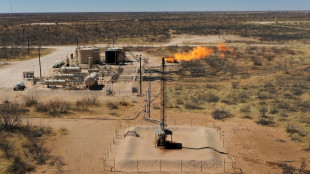 Trump set to drastically loosen oil and gas sector's methane rules

 Storied Paris department store seeks bankruptcy protection

 Xhaka, Embolo can return to Swiss squad after fake Covid docs affair

 Allegri suspended for two Serie A games after red card

 Flight data, satellite images reveal growing US role at Ecuador base

 McInnes feels 'guilt' ahead of Hearts return with Rangers

 Brazil's Lula turns 81, vows to work '24 hours a day'

 Boeing releases cautious growth plan as shares fall sharply

 Exiled Russian dissident Navalnaya warns dictators becoming 'more cunning'

 Bayern 'risk' reaps huge reward for Ballon d'Or winner Kane

 Record turnout as Israeli voters deliver verdict on Netanyahu

 Iraola says Isak 'feels the trust' after Liverpool scoring streak

 French media protest manhandling of journalists at far-right party rally

 EU seeks deportation powers for beefed up border agency

 Two charged with UK security offences over airbase plot: police

 Maresca defends Donnarumma, Guehi after Man City defeat

 Nordic leaders call Putin as local truce begins in Ukraine

NEW YORK CITY, NY / ACCESS Newswire / July 18, 2025 / Many people put aside cash reserves to prepare themselves for financial surprises. However, saving as much as half a year's worth of living expenses can be overwhelming, especially for anyone who's juggling bills, paying off debt, and saving for other goals.
That's why it's important to remember that building an emergency fund takes time, and any progress toward the goal is valuable. This guide breaks the process into manageable steps to help people plan for unexpected expenses.
Set a Realistic Target
Most experts recommend setting aside three to six months of living expenses for emergencies. This amount helps cover essential costs after a job loss or pay unexpected bills, like a car repair or emergency room visit.
Understandably, aiming for three months of living expenses can seem so discouraging that some people might quit before they get started. For those who need a bit more motivation, a mini-fund may be a better option.
A mini-fund starts with a small goal - perhaps $500 or one month's living expenses. Money saved toward this goal goes directly into a savings account. Once the first savings target is met, the individual can continue building until the full emergency fund is in place.
Choose a Savings Account
An emergency fund should be kept in a safe, interest-bearing savings account that's easily accessible but not linked to everyday spending. The goal is to ensure funds are available without penalty in an emergency while minimizing the temptation to use them in non-urgent situations.
A high-yield savings account (HYSA) can be a good option for an emergency fund because it typically pays more interest than a traditional savings account and doesn't usually penalize withdrawals. While HYSAs are often offered as online savings accounts, many traditional banks also provide them.
Some people keep their emergency funds in a checking account, but this isn't ideal - even if the account pays interest. Checks and debit cards make it too easy to spend money earmarked for emergencies.
Decide How Much to Save
The amount of money that should go into an emergency fund depends on each individual's financial situation. One popular approach for getting a handle on that is the 50/30/20 method.1 This method helps individual's divide their monthly gross (after-tax income) into three categories:
Needs (50%) like housing costs, food, and utilities.
Wants (30%) such as entertainment and travel.
Savings (20%) which can include an emergency fund, retirement savings, and debt payments.
Saving 20% may not seem like much to dedicate to savings, but the key is consistent contributions. Small amounts - even $25 each month - can make a difference over time.
Automate savings
The final step is to automate savings to make progress easier and more consistent. Many banks offer ways to do this, including:
Split direct deposit. Employers that offer direct deposit often allow employees to send portions of each paycheck to multiple accounts.
Recurring transfers. An account holder can usually schedule an automatic transfer of funds from their checking to their savings account on a weekly, biweekly, or monthly basis.
Automatic transfer programs. These programs move a small amount from checking to savings with each purchase or bill payment.
Automating savings removes decision-making and minimizes the temptation to spend savings on non-emergencies.
Small Steps, Lasing Impact
Building an emergency fund is a journey, not a race. Each small step can bring people closer to creating a reliable safety net that ensures they're prepared for whatever financial surprises come their way.
Sources
1 https://www.nerdwallet.com/article/finance/nerdwallet-budget-calculator
CONTACT:
Sonakshi Murze
Manager
[email protected]
SOURCE: iQuanti
View the original press release on ACCESS Newswire
W.Stewart--AT