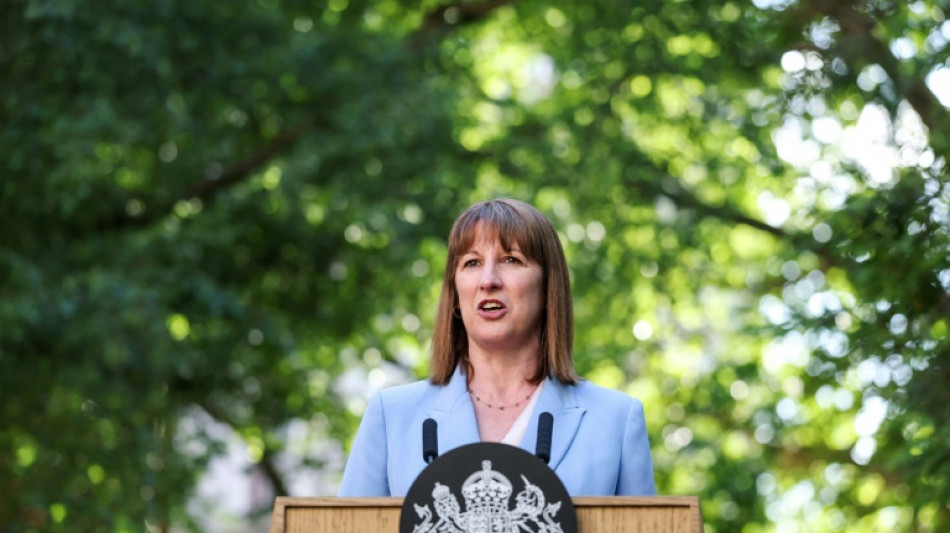
UK hands health service major spending boost / Photo: Hannah McKay - POOL/AFP

 Villa sign Senegal winger Mbaye from PSG

 Former Peru minister last-minute contender for UN labour agency helm

 Messi legacy will 'live forever', says Beckham
 'Literally tasting the smoke': Malaysians suffer as haze worsens

 Kyiv's defences, 'hybrid' threat from Moscow headline EU talks

 Oil extends gains, stocks mostly down as Trump issues fresh Iran warning

 ThinkMarkets Expands Weekend Trading Offering, Launches Weekend League Competition

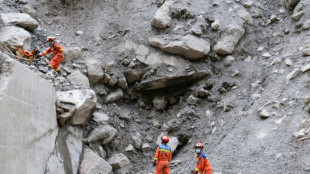 Tibet activists accuse China of downplaying floods

 Afghanistan war victims left 'without justice', UN says
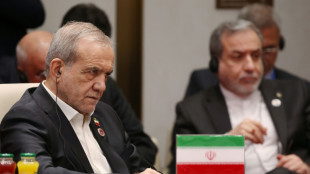 Iran president offers US olive branch before Putin meeting

 China-Nepal flood toll tops 1,000 as tunnel rescue offers last hope

 Japan to relax overtime regulation under workaholic PM

 Thwarted Niger mutiny exposes junta's Russia dependence

 Illegal mining ravages S.Africa's economic hub
 Nepal's wall of missing offers last hope after Himalayan flood

 US to press G20 on light-touch AI regulation

 2 die in Grand Canyon flash flood, only 1 person unaccounted for

 US Army Secretary Driscoll submits resignation: White House
 Oil extends gains, stocks drop as Trump issues fresh Iran warning

 Tsitsipas says Kyrgios's positive cocaine test 'kind of expected'

 In Japan's mountains, a different way to manage bears

 Middle East war a boon for UAE defence giant with global ambitions

 Former gang member found guilty of murdering Tupac Shakur
 FireFox Gold Drills Downdip Extension of East Zone, including 1.0m at 124 g/t Au at the Mustajärvi Project in Lapland, Finland

 Pivotree Announces Normal Course Issuer Bid For Common Shares

Britain's Labour government on Wednesday said it was injecting the struggling National Health Service with a "record" £29-billion ($39-billion) annual boost, as it looks to cut spending on its asylum programme.
Finance minister Rachel Reeves set out her much-anticipated Spending Review to grow the UK economy, which faces pressure from US President Donald Trump's tariffs onslaught.
"We are renewing Britain," Reeves told parliament as she announced increased day-to-day spending, adjusted for inflation, to key departments from energy to education.
But Prime Minister Keir Starmer's government said it will "cut the asylum backlog" and end the use of hotels to house asylum seekers, to save £1 billion annually.
Amid the Russia's war in Ukraine, Reeves confirmed defence spending -- including on intelligence services -- will rise by 2.6 percent of economic output by 2027, helped by cuts to international aid.
"A new era in the threats we face demands a new era for defence and security," she told MPs.
These spending increases forced other key ministries to tighten their belts, with cuts to the foreign office and transport departments, adjusted for inflation.
Reeves had already announced major cuts to public budgets in recent months amid tight fiscal conditions.
Since Labour won power last July, ending years of rule by the Conservatives, it has scaled back disability welfare payments, hoping to save more than £5 billion by 2030.
- Balance the books -
Reeves, whose official title is chancellor of the exchequer, has amended her fiscal rules to allow the government more headroom for investment in the run-up to the review.
At the same time, she is looking to balance the books so that tax revenues match day-to-day spending, meaning the government borrows only to invest.
The minister has allowed the Treasury to borrow more, particularly for infrastructure projects across the vital housing and energy sectors.
This has handed her a windfall of £113 billion over five years.
Reeves needed to "balance the books by making cuts to unprotected department budgets", said Joe Nellis, economic adviser at consultancy MHA.
While Britain's economy grew by a better-than-expected 0.7 percent in the first quarter, analysts cautioned that solid expansion was unlikely to be sustained.
"If growth fails to emerge, then she (Reeves) will either have to cut further areas of public sector spending or raise taxes again in this year's Autumn Budget," said Nellis.
Reeves, in her inaugural budget, raised a business tax, which is starting to impact on unemployment and wages growth.
Ahead of the review, the government pledged billions of pounds for Britain's nuclear industry -- including the new Sizewell C power plant -- plus £86 billion for science and technology by 2030 and more than £15 billion for public transport in England.
- U-turns -
Reeves confirmed £39 billion for a programme to build affordable homes over the next 10 years, and plans to deliver 1.5 million homes.
The review also included an investment of up to £750 million on a new national supercomputer in Edinburgh.
Labour on Monday U-turned on a policy to scrap a winter heating benefit for millions of pensioners following widespread criticism, including from within its own party.
F.Wilson--AT