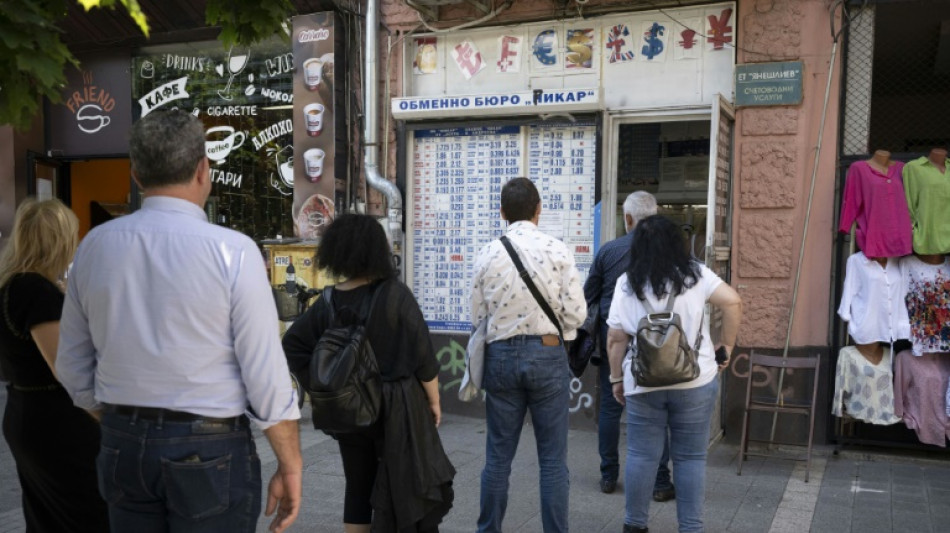
Bulgaria on course to become 21st EU member to adopt euro / Photo: Nikolay DOYCHINOV - AFP

 China's Xi arrives in Egypt as US sanctions threat looms over Iran links
 Car bomb at Colombian police station kills one, injures 11
 Rain delays start of play on US Open
 Man City agree blockbuster deal to sign Chelsea star Fernandez: reports
 Alkemya Metacore Secures $50M via Tokenised Equity to Scale Nickel Energy and Security Tech

 Man City chase Fernandez, Arsenal sell Jesus on deadline day
 EU says Russian 'hybrid attacks' won't halt aid to Ukraine
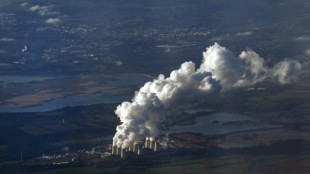 Explosives used in sabotage attack on German power lines
 Nepali families hold symbolic funerals for missing after floods
 Newcastle sign Lille forward Fernandez-Pardo

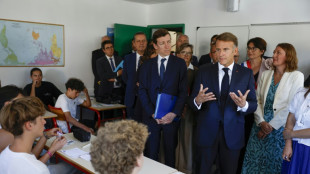 Even at Elysee, phones are handed in, Macron tells French pupils

 Chelsea agree to sign Atalanta's Ahanor, with Palace loan for this season

 Chelsea sign Atalanta's Ahanor and loan him to Palace

 UK chalks up hottest summer on record for second year running
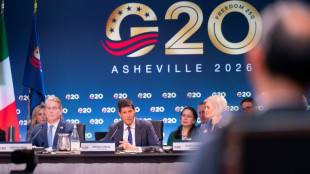
 China's Xi visits Egypt as US sanctions threat looms over Iran links

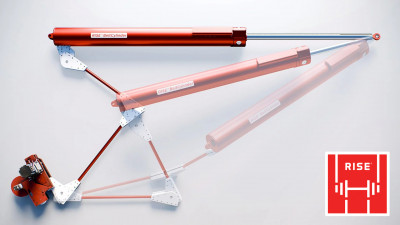 RISE Robotics Awarded $100,000 MassVentures Grant to Accelerate Commercialization of Beltdraulic Technology

 Global bond sell-off deepens on inflation concerns

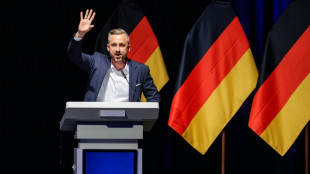 Germany's far-right AfD promises 'boom' but economists fear worst
 Former England captain Stokes signs for Adelaide Strikers

 Pakistan selector and ex-captain Misbah resigns after coach sacked
 Shein flattens on Hong Kong debut facing global headwinds

 Eurozone inflation hits three-year high at 3.3% in August

 Man City chase Fernandez, Arsenal eye Alvarez on deadline day

 El Nino hammering Peru anchovy fishing: industry officials

 Mass Russian barrage kills 12 in Kyiv
The European Commission gave the green light on Wednesday for Bulgaria to adopt the euro from next year, putting the Balkan country on course to become the 21st member of the single currency area.
The commission said Bulgaria had fulfilled the strict criteria "intended to ensure that a country is ready to adopt the euro and that its economy is sufficiently prepared to do so".
The European Central Bank also gave a positive opinion, hailing Bulgaria's "tremendous dedication to making the adjustments needed".
Bulgarian Prime Minister Rossen Jeliazkov hailed "a remarkable day" that followed "years of reforms, commitment and alignment with our European partners".
The push has, however, sparked a backlash from many Bulgarians, with protests and recent surveys showing nearly half of those questioned opposed adopting the euro -- fearing painful economic consequences.
- 'Just want to live well' -
About 1,000 people demonstrated Wednesday in front of the National Assembly building in the centre of Sofia, holding signs that read "Preserve the Bulgarian lev", "No to the euro" and "The future belongs to sovereign states".
The gathering was organised by the opposition pro-Russian Vazrazhdane party.
In the streets of Sofia, several people welcomed the European Commission's green light.
"It will give us greater freedom and make traveling abroad easier," a 36-year-old software developer who just gave her name as Akseniya told AFP, though she added feeling "a bit of nostalgia".
"We are losing a bit of our identity, our lev," she said.
"Whether it's in euros, dollars, or levs, I just want to live well," Svilen Manavski, 61, a construction worker said in the EU's poorest member.
Bulgaria has had a rocky road to joining the eurozone: the nation has been plagued by political turmoil with seven elections in three years -- the last in October 2024.
The approval by the EU's executive body comes 18 years after Bulgaria joined the bloc.
"Congratulations, Bulgaria!" commission president Ursula von der Leyen said.
With a population of 6.4 million, Bulgaria has spent several years preparing its economy to join the eurozone.
Bulgaria still needs the approval of the EU's finance ministers, who are expected to give their full backing in July, before it formally adopts the euro as of January 1, 2026.
"Today's report is a historic moment for Bulgaria, the euro area and the European Union," said EU economy chief Valdis Dombrovskis.
"Of course, the euro is more than a currency. Following on from Bulgaria becoming a full member of the Schengen area earlier this year, it brings Bulgaria ever closer to the heart of Europe," he added.
- Unsuccessful past attempts -
When the first euro bank notes and coins were rolled out on January 1, 2002, only 12 countries were part of the single-currency area including France, Germany, Ireland, Italy and Spain.
It gradually grew to 20 with Slovenia joining in 2007, Cyprus and Malta in 2008, Slovakia in 2009, Estonia in 2011, Latvia in 2014 then Lithuania in 2015.
Croatia was the most recent country to join in 2023.
Bulgaria wanted to adopt the currency sooner but in the past few years Brussels has concluded its inflation was too high to meet the necessary requirements.
To join the single currency area, member states must show that their economy has converged with other eurozone countries and that they have a handle on their finances.
For example, they must demonstrate inflation is no more than 1.5 percentage points above the rate of the three best-performing EU countries.
Last year, Bulgaria fulfilled all the criteria to join except on inflation.
The average inflation rate in Bulgaria during the 12 months to April 2025 was 2.7 percent, just below the reference value.
F.Ramirez--AT