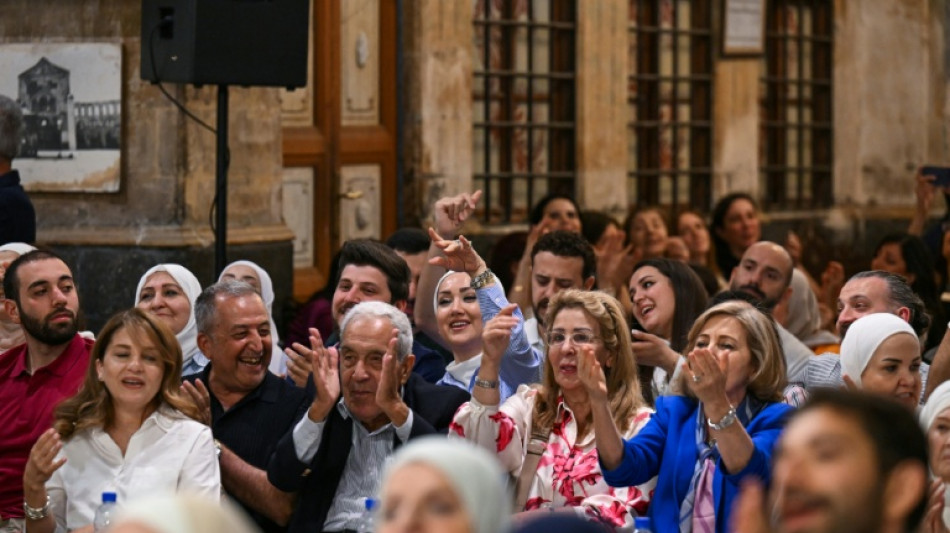
Between freedom and restrictions, Syrians navigate new reality / Photo: LOUAI BESHARA - AFP

 China's Xi arrives in Egypt as US sanctions threat looms over Iran links
 Car bomb at Colombian police station kills one, injures 11
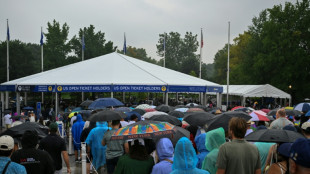 Rain delays start of play on US Open

 Man City agree blockbuster deal to sign Chelsea star Fernandez: reports

 Alkemya Metacore Secures $50M via Tokenised Equity to Scale Nickel Energy and Security Tech

 Man City chase Fernandez, Arsenal sell Jesus on deadline day

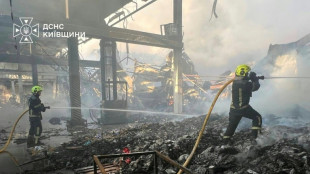 EU says Russian 'hybrid attacks' won't halt aid to Ukraine

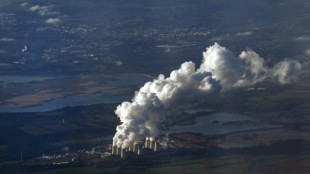 Explosives used in sabotage attack on German power lines
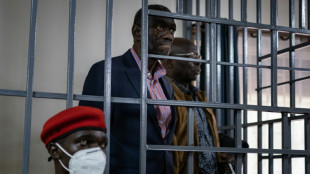
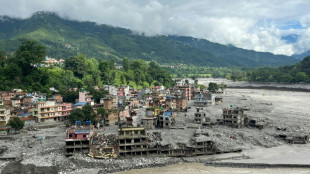 Nepali families hold symbolic funerals for missing after floods

 Newcastle sign Lille forward Fernandez-Pardo

 Even at Elysee, phones are handed in, Macron tells French pupils
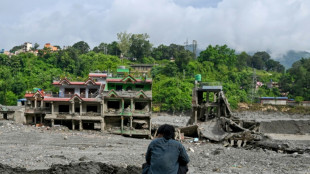
 Chelsea agree to sign Atalanta's Ahanor, with Palace loan for this season

 Chelsea sign Atalanta's Ahanor and loan him to Palace

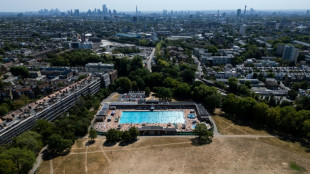 UK chalks up hottest summer on record for second year running

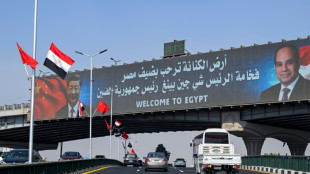 China's Xi visits Egypt as US sanctions threat looms over Iran links

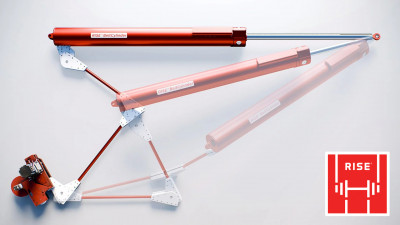 RISE Robotics Awarded $100,000 MassVentures Grant to Accelerate Commercialization of Beltdraulic Technology

 Global bond sell-off deepens on inflation concerns
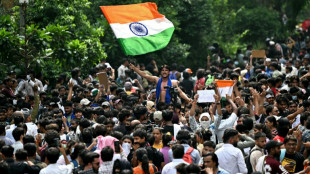
 Germany's far-right AfD promises 'boom' but economists fear worst
 Former England captain Stokes signs for Adelaide Strikers

 Pakistan selector and ex-captain Misbah resigns after coach sacked
 Shein flattens on Hong Kong debut facing global headwinds

 Eurozone inflation hits three-year high at 3.3% in August
 Man City chase Fernandez, Arsenal eye Alvarez on deadline day
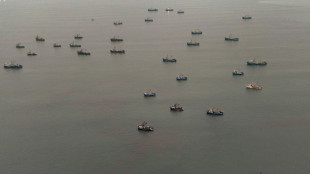 El Nino hammering Peru anchovy fishing: industry officials

 Mass Russian barrage kills 12 in Kyiv

Syrian singer Ishtar halted concerts when Islamist-led forces seized power nearly six months ago. She's now back on stage, but lingering fears have reshaped Damascus's nightlife scene.
Performing an international repertoire to a packed venue in the capital's Old City, she told AFP that "some bars and restaurants were closed and others had problems with licences... but thank God, today we have started to work again."
Since longtime ruler Bashar al-Assad was overthrown on December 8, Syria's new Islamist authorities have not officially imposed restrictions on public behaviour, but some incidents -- mostly described as acts by "individual" perpetrators -- have sparked worry about personal freedoms.
Ishtar, 26, said that after Assad's ouster "we stopped all our activities -- we became afraid of singing openly anywhere".
Since then, however, locals and foreigners have crowded into cafes, restaurants and bars in the capital, discussing political and individual freedoms as well as issues once considered taboo like the fate of missing people and the deposed government's notorious prisons.
But recent weeks saw two attacks on nightclubs, one of them deadly. Authorities said they had arrested those involved in one of them.
The international community has urged the new authorities to respect personal freedoms, protect minorities and involve all components of Syrian society, including women, in the country's delicate transition.
Facing criticism, the authorities have sought to present a flexible and open model of governance.
- Uncertainty -
"We don't want division or for society to be split between those who want (diversity) and those who oppose it," said Ishtar, who studied opera and blends musical styles during her performances.
Pensioner Rima Shashati, who was among those in the audience, expressed optimism.
The negative incidents that took place have "generally been individual acts", she said, but after long years of war, "we need to join together and love each other".
At times, young men have chanted religious slogans outside bars serving alcohol in Damascus's Old City or called for their closure, according to video footage.
Security forces have raided and closed some bars for not possessing a valid alcohol licence despite them having been open for years, sparking concern among employees and patrons.
One bar owner said the Assad government "would close unlicenced bars then let them reopen after they paid fines or bribes".
"Now, it seems they will be closed permanently," he told AFP, requesting anonymity due to security concerns.
Alongside other licenced venues around him, he said he welcomed customers until late. Security patrols routinely pass by the area without any problems.
In a sign of the tensions, some social media users have lashed out at girls wearing swimsuits or dancing.
Videos showing female university students wearing a face-covering niqab and rumours claiming the prohibition of gender-mixing in buses have caused heavy controversy.
- 'Still on the path' -
AFP reporters did not observe gender segregation on buses at a major station in Damascus.
However, a traveller from Damascus to the north of the country said that a driver had asked her to sit far from her male friend in case the bus was stopped at a security checkpoint.
Vehicles blasting Islamic messages have been seen driving slowly around the streets of Damascus.
At an exhibition of anti-Assad posters from the early days of the country's civil war, at a Damascus train station, 29-year-old Abdel Rahman Lahham told AFP he had been stopped by a man in military uniform for wearing shorts.
"He told me, 'Do you know that your outfit is haram?'," or forbidden on religious grounds, Lahham said.
When swimming pools reopened this month for the summer season, some kept their regular dress codes and allowed mixed attendance, while others have been hesitant.
A hotel whose pool used to be open to the public is now only for guests.
One large hotel has restricted the service of alcohol to private rooms after previously offering it at the restaurant, guests told AFP.
Majed al-Naasan, 33, who returned to Damascus in February after a decade in Austria, said "there is concern, but it's not just linked to the government", but to the fact that "we are still on the path to stabilising security".
"There is worry in Damascus, but there is also the will to live," said Naasan, who organises cultural events.
R.Lee--AT